My tiny handful of fellow “imps of the possible” are all for it, completely understanding the uncertainties and sidetracks and possible (even probable) different endings in store – and knowing that it’s the reach that’s important, that spreading
Frustration at the wall
I have had less energy than I do now, but I have never had less motivation. Me? Unable to start something? This is so out of character that it’s a bit like seeing Mother Teresa bite a kitten — unfathomable.
Speaking of eating, I’ve been craving sugar so intensely I have truly felt like I’d lose my mind if I didn’t eat sweets. I haven’t had serious sugar cravings for almost a decade. That was one problem I never ever thought I’d be dealing with again. That’s finally lightening up, thank goodness — and thanks to some mental judo and nutritional first-aid. I can’t take on any more weight or the pain in my feet will become unbearable, and my hips are already giving me hell.
I have great blog ideas, but getting them into words isn’t happening. No… words… come… together. This is so strange I don’t even need to elaborate. This is the first thing I’ve been able to write in weeks and it’s not a blog, it’s a tirade. Excuse me while I scream.
My muscles across my shoulders and upper back are so tightly knotted I can’t do my exercises or qi gong or even more than a stroke or two of tai chi without that weird warping sensation when the muscles pull my moves awry — and then the nerves pull back and howl. Some activity would be better than none, but low as that bar is, I just can’t make it over.
I got a break from my muscles last night when I loaded up on Flexeril (if you follow this blog, you know it’s almost unheard-of for me to hit the CNS-affecting meds) but the lethargy, brain fog and stupidity this caused, for 18 hours afterwards, is hideously limiting in itself.
After trying to do my most basic stretches just now, I took another dose. I will NOT let this twisty locked-up posture become the new normal.
And somehow, nevertheless, I will function tomorrow enough to get my pills and get my gear and get my food for the day and get my sorry ass over to OT and PT and hope something can break through this maddeningly comprehensive barricade.
Needless to say, this is not my usual pleasant, mindful, lemons-into-lemonade sort of post.
This is me grabbing the damn lemons and throwing them right back, hoping to hear a few screams as they connect.
In the fullness of time, I expect I’ll be able to find a trigger, or a clue, as to what exactly started this and how to avoid it in future. I can’t see it from here, and maybe this is the start of what I dread most: The Slide, the final descent into irresistible helplessness and incompetence.
But I think not. I’m too damn angry to give it that much room.
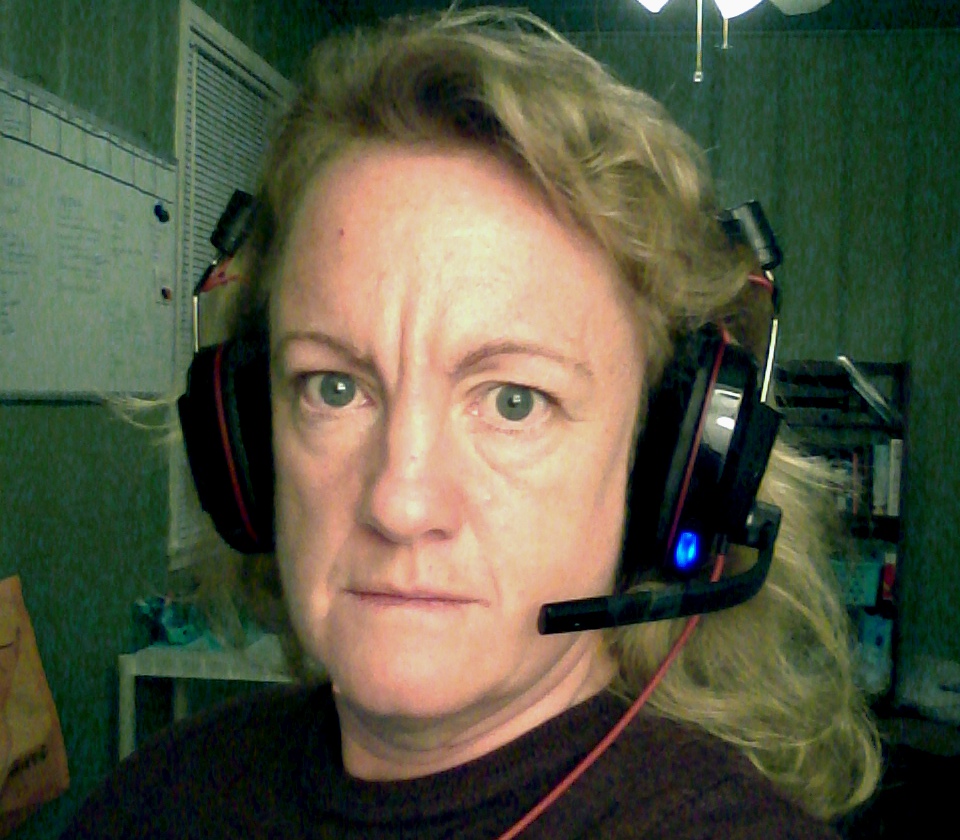
Let’s see what happens next. My money’s on the chunky blonde with the harsh mouth and crappy attitude.
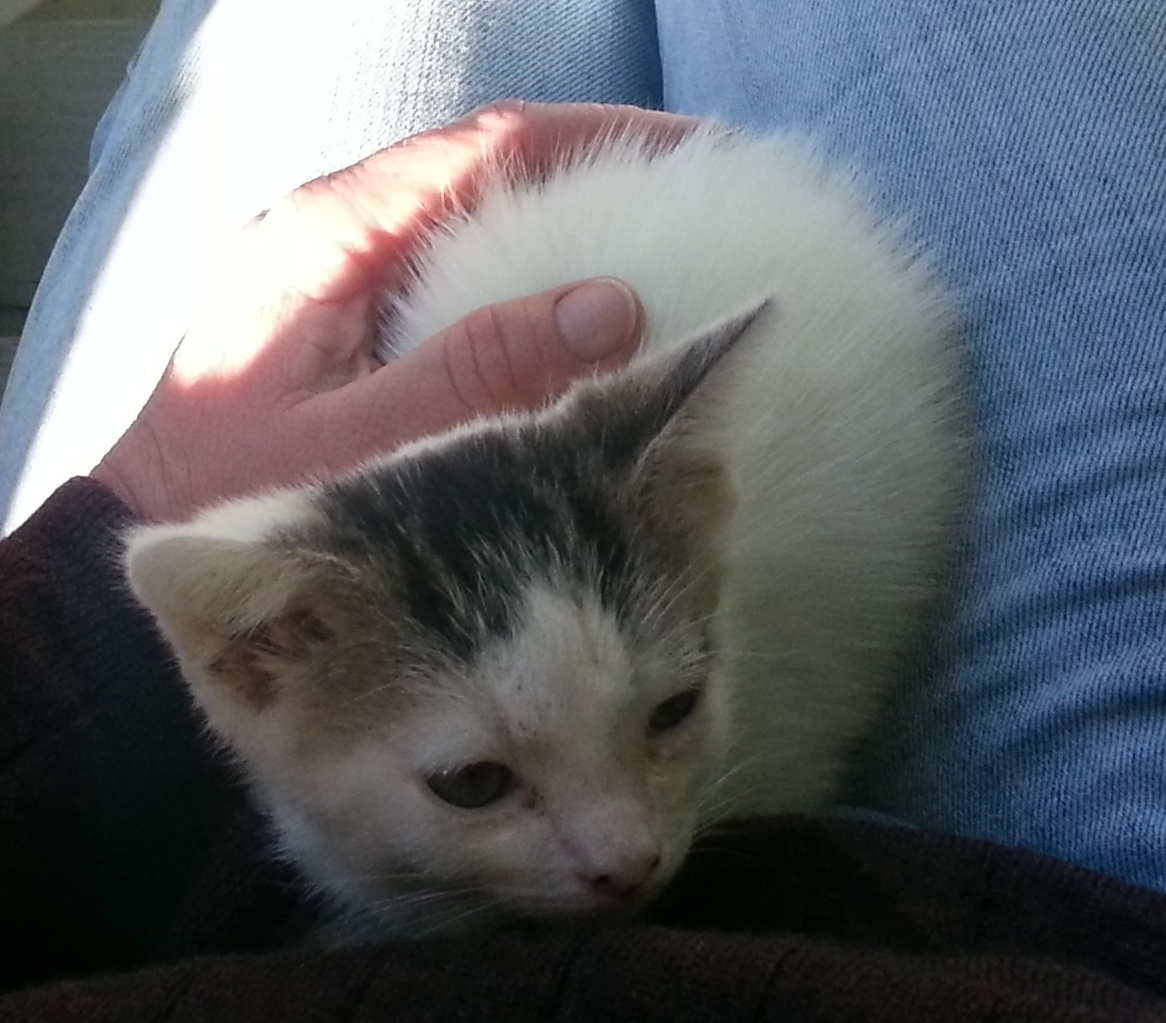
… And the new kitten…
Posture matters, across species
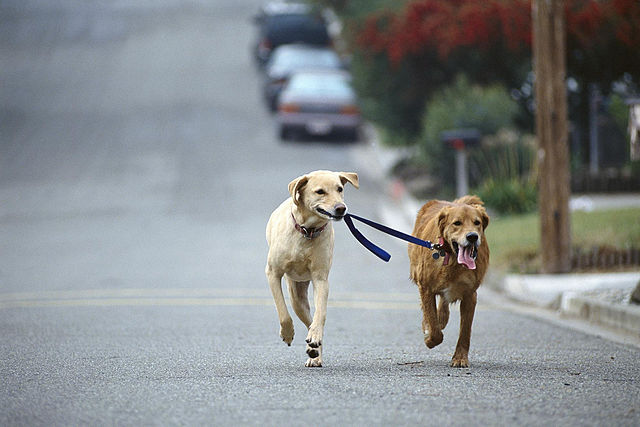
I lived in a dog-friendly marina. – Trust me, this is relevant.
|
It’s not just about the scenery.
|
I saw dogs in every degree of getting along — or not.
I saw the active posture of dogs who were used to plenty of food and care…
and dogs who clearly weren’t.
This was interesting to me as I was coming out of a period of being thugged on by every force outside myself that had a duty to care for me. Being, not only neglected, but frequently tormented and abused in response to most of my efforts towards survival and care, left me very nervous indeed.
![]() |
| Not good for the brain. Or anything else. |
I was having trouble with my posture, and – limited by impaired kinesthesia (the sense we have of where our body is in space) – I was working out exactly what the trick points were.
– My low back was in a tight sway, sticking my stomach and butt out egregiously. I lost over an inch of height to that sway in my back.
– I recently realized that, when I fall back in this posture, my abdominal muscles are braced outward. I’m not slack in the belly; the muscles are braced for an incoming blow!
– My neck was hunched against my shoulders. This was funny because I did used to have a bit of a weightlifter’s neck, short and thick; but that was many years ago… when I lifted weights.
– My tailbone was curled in tight, which I only realized after my physiotherapist at the time taught me to straighten it out as a way of releasing tension on the nerve “sleeve.”
– The points of my shoulders were rotated inward. I attributed this to an effort to ease the nerve opening through my shoulders, but that doesn’t actually make sense.
All of these things reduced effective nerve flow to my limbs, shortened the wrong muscles, limited blood flow to where I needed it most, and reduced my capacity for physical exercise.
![]() |
| And you can see how happy it makes me! |
Since activity is key to managing CRPS and keeping the autonomic nervous system under some kind of regulation, this is actually a huge problem.
Good posture is not about vanity, it’s about feeling better, being stronger, hurting less, and surviving tolerably well.
Watching all those dogs running around and deciding whether to let others sniff their butts,
![]() |
| You’re not imagining things: the pit bull is missing a leg. |
I realized exactly what my posture looked like: a dog in a hostile area, not wanting to fight, but protecting its spine while bracing for blows. Always ready to snap into action. Never knowing when things will go sour, but pretty sure they soon will.
That’s what those years had brought me to. It was a reasonable response, but not useful.
![]() |
| This is what’s really going on when I fall back into that posture. |
I’ve managed to explain this “braced dog” image to my current physiotherapist, who’s wonderfully willing to work with my rather original views. He comes up with ways to tell my body how to stand/sit/move like a calm, alert animal, instead of one that’s braced for the next fight…
![]() |
| I can’t do anything about the 3 extra cup sizes this endocrine dysregulation caused, but my back and shoulders hurt less anyway. |
And I remind my too-nervous nervous system that a calm dog can snap into a fight about as fast, but tends to find far fewer of them.
In the meantime, relaxed animals have a lot more fun.
Postscript on self-imaging
Nearly every time I see pictures of someone in regard to posture or movement explanations, it’s someone really fit.
Now, really. Is that who needs to know?
Much as I loathe looking at myself from the outside, using my own image here is preferable to the implicit lie of using others’ figures. So here I am, warts (so to speak) and all.
![]() |
| /shrug/ Could be worse. |
Waiting
It’s always a bit of a circus. As I said to the lab tech, “I used to be a trauma nurse. What would be the fun of being an easy stick?”
This time, I had the joyful opportunity of having the first lab tech assess my veins and go find a better vampire without even poking me first. His hands were actually shaking by the time he left.
All I could do was laugh to myself. I used to have hosepipes for veins. They were still leathery, full of valves, and inclined to roll, but with a sharp needle and good technique, you could nail ’em with your eyes closed.
Now it takes 5 minutes with the warm pack (hot water in a blue glove) and the sharpest needler in the house. She got it in one.
In thematically related news… I’ve been essentially incommunicado since I moved into the new cabin. Internet is supposed to come tomorrow and AT&T has knocked $50 off my bill for not providing service yet and having terrible communication with me (losing notes, calling back the wrong week, trying to send me on wild goose chases) when they do get through.
Every effort to do anything other than nest — carefully, gently, and in small controlled increments of effort — seems to take 10 times the effort it should. Not two or three times. 10 times.
All I can do is laugh to myself… and, when necessary (such as when someone’s looming over me with a sharp instrument and a purposeful expression), sitting firmly on my perpetually hair-triggered fight-or-flight response.
As I said to the same skillful lab tech, “I have good doctors, and I’m finally getting lab tests, PT and good care.”
This is why I protect my mental faculties so vigilantly. They let me assess the real risk, the real effort, the real impact of the moment, so I can talk the CRPS-triggered responses down out of the sky.
And then wait for my system to recover.
I think I’m ready to go now.
Pain rating scales that describe reality
I got to the usual 1-10 pain rating scale and my gorge rose. That’s so irrelevant to my life now that I can’t even throw a dart at it.
Between my self-care strategies and spectacular mental gymnastics, the level of what most people would experience as “pain” is a secret even from me, until it’s strong enough to blast through the equivalent of 14 steel doors, each three inches thick. At that point, the numeric level is off the charts.
What’s useful and relevant is how well I can cope with the backpressure caused by the pain reflexes and the central and peripheral nervous system disruption this disease causes.
You can read on without fear, because for one thing, it’s not contagious, and for another, your experience of pain — whether you have CRPS or not — is uniquely your own. This is mine, as it has changed over the years…
Step 1: Acute CRPS, with otherwise normal responses
My first pain rating scale, just a few years into the disease’s progress, was suitable for a normal person’s experience. My experience of pain was still pretty normal (apart from the fact that it didn’t know when to stop):
|
Mental impact
|
Physical changes
|
|
0
|
|
|
No pain at all.
|
|
|
1
|
|
|
Hurts when I stop and look.
|
|
|
3
|
3
|
|
Neither looking for it nor distracted.
|
|
|
5
|
5
|
|
Noticeable when concentrating on something else.
|
Nausea, headache, appetite loss.
|
|
7
|
7
|
|
Interferes with concentration.
|
Drop things, grip unreliable.
|
|
8
|
8
|
|
Difficult to think about anything else.
|
Trouble picking things up.
|
|
9
|
9
|
|
Makes concentration impossible.
|
Interferes with breathing pattern. No grip.
|
|
10
|
|
|
Can’t think, can’t speak, can’t draw full breath, tears start – or any 3 of these 4.
|
|
|
Unrated even numbersindicate a worse level of pain than prior odd number, which does not yet meet the criteria of the following odd number. Note that weakness is only loosely related to pain. I drop things and have trouble picking things up at times when I have little or no pain. However, as pain worsens, physical function consistently deteriorates.
|
|
Notice how the scale ties the rating numerals to physical and mental function. This is crucial, for two reasons — one personal and one practical:
– Personally, I can’t bear to let misery get the better of me for long. Tying the numbers to specific features keeps the awful emotional experience of pain from overwhelming me. Making the numbers practical makes the pain less dramatic.
– Practically, in the US, health care is funded by a complex system of insurance. Insurance companies are profit-driven entities who are motivated not to pay. They don’t pay for pain as such, only for limits on function. This makes my pain scales excellent documentation to support getting care paid for, because MY numbers are tied to explicit levels of function. (Hah! Wiggle out of that, you bottom-feeders.)
Step 2: Early chronic CRPS, with altered responses
My next was upwardly adjusted to describe learning to live with a higher level of baseline pain and noticeable alterations in ability:
|
Mental impact
|
Physical changes
|
|
3
|
3
|
|
Neither looking for it nor distracted. Forget new names & faces instantly.
|
Cool to touch @ main points (RCN both, dorsal R wrist, ventral L wrist). Hyperesthesia noticeable. .
|
|
5
|
5
|
|
Interferes with concentration. Anxiety levels rise. Can’t retain new info. Can’t follow directions past step 4. May forget known names.
|
Nausea, headache, appetite loss. Grip unreliable. Hyperesthesia pronounced. Color changes noticeable.
|
|
7
|
7
|
|
Absent-minded. White haze in vision. Can’t build much on existing info. Can follow 1 step, maybe 2. May forget friends’ names.
|
Drop things. Cold to touch, often clammy. Arms & palms hurt to touch.
|
|
8
|
8
|
|
Speech slows. No focus. Behavior off-key. Can’t follow step 1 without prompting.
|
Can’t pick things up; use two hands for glass/bottle of water.
|
|
9
|
9
|
|
Makes concentration impossible. Hard to perceive and respond to outer world.
|
Interferes with breathing pattern. No grip. Everything hurts.
|
|
10
|
|
|
Can’t think, can’t speak, can’t stand up, can’t draw full breath, tears start – or any 3 of these.
|
|
Notice how specific I am about what general tasks I can complete — following instructions, lifting things. These are the fundamental tasks of life, and how do-able they are is a fairly precise description of practical impairments.
Step 3: Established chronic CRPS
And my third changed to describe living with more widespread pain, a higher level of disability, and — most tellingly — a physical experience of life that’s definitely no longer normal:
|
Mental impact
|
Physical changes
|
|
3
|
3
|
|
Neither looking for it nor distracted. Forget new names & faces instantly.
|
Cool to touch @ main points (RCN both, dorsal R wrist, ventral L wrist, lower outer L leg/ankle, R foot, B toes). Hyper/hypoesthesia. Swelling.
|
|
5
|
5
|
|
Interferes with concentration. Anxiety levels rise. Can’t retain new info. Can’t follow directions past step 4. May forget known names.
|
Nausea, headache, appetite loss. Grip unreliable. Hyper/hypoesthesia & swelling pronounced. Color changes. Must move L leg.
|
|
7
|
7
|
|
Absent-minded. White haze in vision. Can’t build on existing info. Can follow 1 step, maybe 2. May forget friends’ names.
|
Drop things. Knees buckle on steps or uphill. Cold to touch, often clammy. Shoulders, arms & hands, most of back, L hip and leg, B feet, all hurt to touch. L foot, B toes dark.
|
|
8
|
8
|
|
Speech slows. No focus. Behavior off-key. Can’t follow step 1 without prompting.
|
Can’t pick things up; use two hands for glass/bottle of water. No stairs.
|
|
9
|
9
|
|
Makes concentration impossible. Hard to perceive and respond to outer world.
|
Interferes with breathing pattern. No grip. No standing. Everything hurts.
|
|
10
|
|
|
Can’t think, can’t speak, can’t stand up, can’t draw full breath, tears start – or any 3 of these.
|
|
The CRPS Grading Scale
The other scales measure the wrong things now. Asking me about my pain level is bogus. It would have the asker in a fetal position, mindless; is that a 5 or a 10? Does it matter?
I need to avoid thinking about depressing things like my pain and my disability. I focus pretty relentlessly on coping with them and squeeezing as much of life into the cracks as possible — on functioning beyond or in spite of these limitations.
The fourth rating scale is much simpler than its predecessors. It’s based, not on level of pain or disability, but on the degree to which I can compensate for the disability and cope past the pain. Therefore, this rating scale remains meaningful, because it describes my actual experience of life.
|
Mental impact
|
Physical changes
|
|
A. Coping gracefully
|
(baseline)
|
|
Track to completion, baseline memory aids sufficient, comprehend primary science, think laterally, mood is managed, manner friendly.
|
Relatively good strength and stamina, able to grasp and carry reliably, knees and hips act normal, nausea absent to minimal, pulse mostly regular.
|
|
B. Coping roughly
|
B
|
|
Completion unrealistic, extra memory aids required and still don’t do it all, comprehend simple directions (to 3-4 steps), think simply with self-care as central concern, unstable mood, manner from prim to edgy to irritable.
|
Moderate strength and stamina, grip unreliable and muscles weaker, balance goes in and out, knees and hips unreliable, nausea and blood sugar instability alter type and frequency of intake, occasional multifocal PVCs (wrong heartbeats) and mild chest discomfort.
|
|
C. Not coping well
|
C
|
|
Hear constant screaming in my head, see white haze over everything, likely to forget what was just said, focus on getting through each moment until level improves, manner from absorbed to flat to strange, will snap if pushed.
|
Muscle-flops, poor fine and gross motor coordination, major joints react stiffly and awkwardly, restless because it’s hard to get comfortable, unstable blood sugar requires eating q2h, bouts of irregularly irregular heartbeat.
|
|
D. Nonfuntional
|
D
|
|
Unable to process interactions with others, suicidal ideation.
|
Unable either to rest or be active. No position is bearable for long.
|
There is no Grade F. Did you notice that? As long as I have a pulse, there is no F, which stands for Failure.
In the words of that divine immortal, Barrie Rosen, “Suicide is failure. Everything else is just tactics.”
So what’s the point of all this?
Documenting our own experience in terms that are meaningful and appropriate advances the science. The treatment for this disease is stuck in the last century in many ways, but that’s partly because it’s so hard to make sense of it. The better we track our experience with it, the better outsiders can make sense of it.
Since studies, and the funding for them, come from those who don’t have the disease, this is the least — and yet most important — thing that we can do to improve the situation for ourselves and those who come after us.
This isn’t a bad snapshot of the natural history of my case, either. Understanding the natural history of a disease is a key element of understanding the disease. Imagine if we all kept pain rating scales, and pooled them over the years. What a bitingly clear picture would emerge.
I’ve never sat back and looked at all of these pain rating scales together. It’s certainly an interesting mental journey.
Important legal note: These forms are available free and without practical usage limitations; to use, alter, and distribute; by individuals and institutions; as long as you provide free access to them and don’t try to claim the IP yourself or prevent others from using it. All my material is protected under the Creative Commons license indicated at the foot of the page, but for these pain scales, I’m saying that you don’t have to credit me — if you need them, just use them.
Bien approveche: may it do you good.
"Angel" in my mouth
One word I never used, because it was just too hokey, was “angel.”
Yes, I used “sweet pea” with perfect ease, but couldn’t bring myself to call anyone “angel” with a straight face.
What can I say? We all have our limits, however idiosyncratic.
I thought, What an overused, overfluffy, overly silly word to use about someone who is decidedly human — as everyone I’ve met so far is.
Then I went through the Years from Hell, a period of about 3 years I try not to even think about because it was so bloody harrowing it’s unbearable to remember, and there’s nothing to be done now to change that.
One set of surprises were some of the people who I was sure would come through, but fell from view when their actions were supposed to match their words.
Many people who seem awfully nice are more socially adept than genuinely good. It’s an important distinction.
Starting late 2011, I found myself using the word “angel” as an endearment for a very particular set of people. It came naturally to my mouth as a substitute for “sweetie” or “sweet pea” when speaking to those who showed up when the going became almost impossible,
who never gave up on me despite good reason to do so,
and who showed up for me through thick and thicker.
The handful of people who made the key difference between my living and dying, are the ones I call “angel” — and find it easy to do so.
It’s not over- anything. It barely does them justice. And, I have to say, some of them were a real surprise: people who aren’t apparently nice can be genuinely decent and deeply good.
Like every ER nurse ever, I used to preen myself on how good a judge of character I was. This disease, and the many versions of Hell that it comes with, teaches us a thing or two about human nature.
It’s fair to say that, even at my most brain-frozen, my judgement about people’s core attributes is better than it used to be.
I know where to find the real angels on this earth.
![]() |
| Among my besties, that’s where. |
Pushing back on neuroplasticity
-
from the first refusal to cut pain signals off…
-
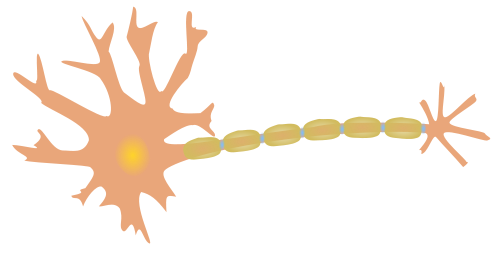
to the growth of the brain cortex area that monitors that body part, so it can handle more pain signals and provide less space for normal body areas…
-
to the deeper remapping and rewiring that alters cognition, disrupts memory formation, screws up autonomic signalling, knocks endocrine and digestive function out of whack…
-
and so forth.
It’s important to stay on top of the brain, so to speak.
Having said that, it’s not completely reciprocal, nor is it ever under perfect control — unlike a good trapeze act.
- neurons hook up, and a connection (or association) is made;
- if the connection gets used (or the association is allowed to stand), more neurons hook up to make it stronger;
- once enough neurons have hooked up, the connection becomes like a good road;
- and the thing about good roads is, they get used, even if they’re used for something odd.
- Make sure the roads in your brain are useful to you.
- Do that by pruning the connections you don’t want.
- Prune those connections by letting the associations die.
- Let a connection die by deciding to think about, or do, something else, whenever it comes up.
Consistently. Persistently. Relentlessly. - And keep making that decision every time it comes up.
It works by a negative, which is not how we are taught to do things: turn away from the response, shut out the perception, ignore the link. That’s how you prune an unhealthy connection.
It takes time, but it works. The time will pass anyway, so your brain might as well be better off at the end of it…
![]() |
| Only constructive connections, please. |
![]() |
| Egrets make great distraction, especially in funny socks. |
In a house of flu
Yesterday, I got a little more white grape juice and pedialyte than I thought he’d need, just in case we needed to jump-start someone ele’s treatment. Looks like it was just about enough, though.
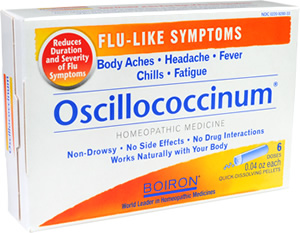
Over last night, L and I hammered 3 doses each of oscillococcinum, which we usually find very effective in warding off the flu. I’m used to respiratory flus. We shall see.
Today, L wiped all the knobs and surfaces with alcohol and washed all the towels and linens in hot water. Growing up, she had two rounds of rheumatic fever and her mother had adult polio, and the entire family got chicken pox at the same time; she knows what to do “when there’s sickness in the house,” to use her timeless phrase.
I stood back and made encouraging noises, and wished — for the very first time, every time — that I was able to be just a bit more use.
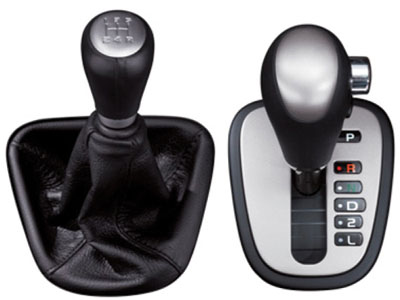
With the autonomic nausea I’ve been fighting off and on for weeks now, it’s hard to say if I’m actually getting flu-y or if the autonomia is kicking up. As I finished picking up the kitchen, though, my insides let me know that they are considering the value of reverse gear. Nothing substantial, just a warning…
![]() |
| That’s the autonomic transmission, on the right… |
Intestinal flu wreaks havoc on the autonomic system:
- Turns the GI system inside out, which boosts inflammation, disturbs blood sugar, and wastes fluids;
- Whacks out the electrolytes, which alters nerve transmission and pretty much every other cellular process, generally spiking a pain flare and roasting the higher cognitive functions;
- Dries out the body, which puts what’s left of the fluid-dependent brain and CNS in the toilet — along with everything you’ve eaten for the last day.
A healthy body has metabolic margins to absorb this with considerably more grace. It’s still bad, mind you — really rotten, in fact. Pre-injury, tummy flus always made me wish I was dead.
In a body with dysautonomia and CRPS, it’s a ghastly festival of burning, of mindless agony, and a sheer dreadfulness to existence that words can’t touch.
So I’m considering a quick Epsom salt bath to preload my system with that lovely electrolyte, I’m getting up a blog post with these wonderfully dinner-appropriate details (hah!), and hoping that L — who, as she has often said, did have her flu shot this year — will be well enough tomorrow to run to the store for more pedialyte and white grape juice.
Everything comes to an end, even the flu. The awareness that there is always an “afterwards” is always with me now. It’s a good thing to keep in mind, because the reflex is to get lost in the now, when it’s overwhelming. But there is always an afterwards.
I’m not worried, I’m not anticipating, I’m not buying into the nerves. My mind always runs contingency plans, but that’s natural for me. (If I can’t come up with a plan B and a plan C, check for a pulse.)
So it’s time to catch up on a few things, push extra fluids, coach my body into the tub and back out again, and take things as they come. The low energy just means I have more time to watch DVDs; the wonky tum just means I don’t have to think as often about what to eat.
But seriously… take every opportunity to be happy; it makes you stronger. 🙂
Recuperating
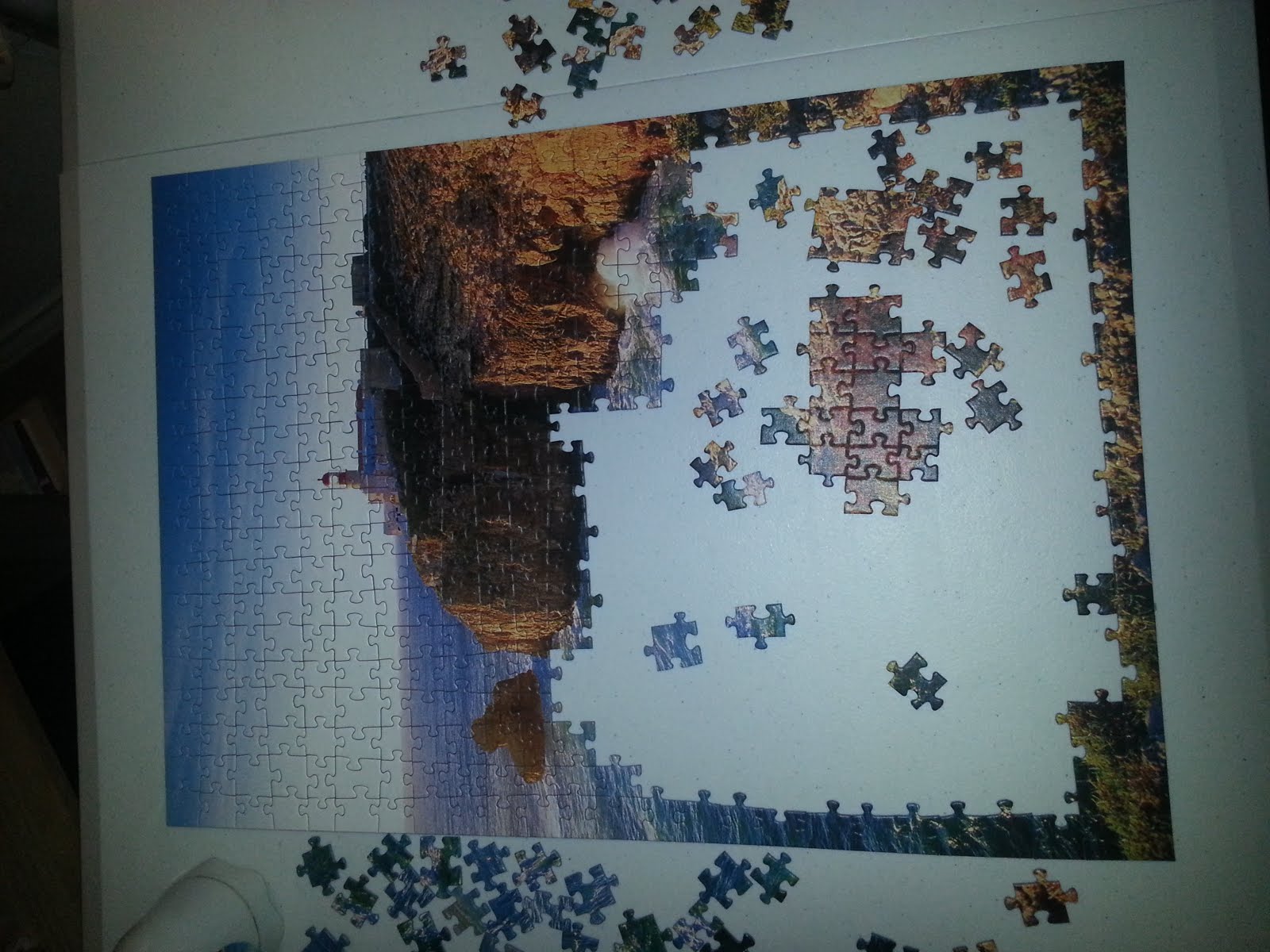
This picture shows the only thing I can do with any real success right now.
Each time a piece goes in, I soak up the little shot of dopamine that success experiences release.
It might help that, in this friend’s household, it’s mandatory to ring the bell when a particularly difficult section comes together, so everyone can look up and give a supportive nod.
The pattern-matching uses a soothingly primitive part of my visual brain, one that’s pretty much unaffected by CRPS.
The gentle motion of hand and eye back and forth, back and forth, soothes the central nervous system.
What’s ironic is that I realize I’m in recovery from a long damn case of too much too often too fast, but right at this moment, I feel stupider and weaker than I have in months.
I think I’m overdue.
An upside down day

Extreme stress makes me a little whimsical…
Food & housing
I woke up this morning in a motel that was as creepy as it was the night before, when the desk clerk had looked up and down at sweet, white, worried me, and said in her most reassuring tones, “I’ll give you the room on the second floor, on the corner, right where I can see you.”
On the one hand, I was glad there was someone to look out for me. On the other, it was horrifying that it was so baldly necessary. A bit like my relationship lately.
Today was the last day of intestinal meltdown before heading into real wasting syndrome: relentless nausea, episodes of dizziness, and nearly volcanic indigestion. The next step is relentless diarrhea. I’ve had wasting syndrome once this year already, and that was enough.
![]() |
|
| The automatic drive is about to go in reverse… |
Time to put more money into staving off physical self-destruction: I called a good hotel with monthly rates, and made a 30 day reservation.
The indigestion is considerably better, and at least I can eat past the nausea. Success! I WILL save this system!
I finally had a good, real conversation with boyfriend J this evening. For all our mutual problems, there’s a lot of love there. This separation is agony for both of us.
I finally got to say what I have been tripping over all day: nothing feels right. I usually have a strong sense of flow, of what should happen next and how to get there. But it’s as if I got washed up on the riverbank weeks ago, and however hard I try, I can’t catch up with the current. I’m more lost than I have ever been.
Being away from my sweetie, and pouring so much money I really need elsewhere into the painful boondoggle of a separate life, is lonely and brutal.
So I have some thinking to do…