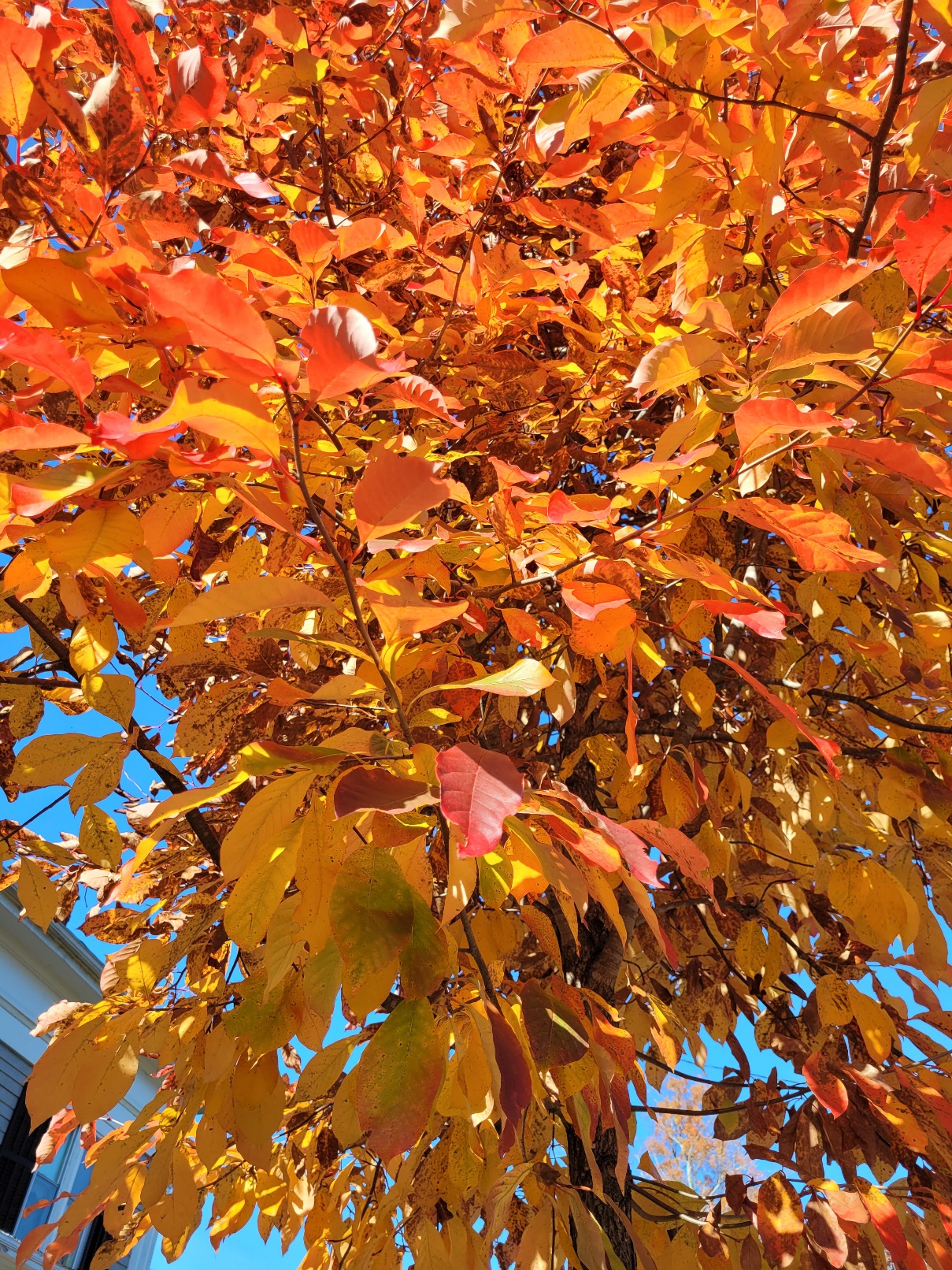
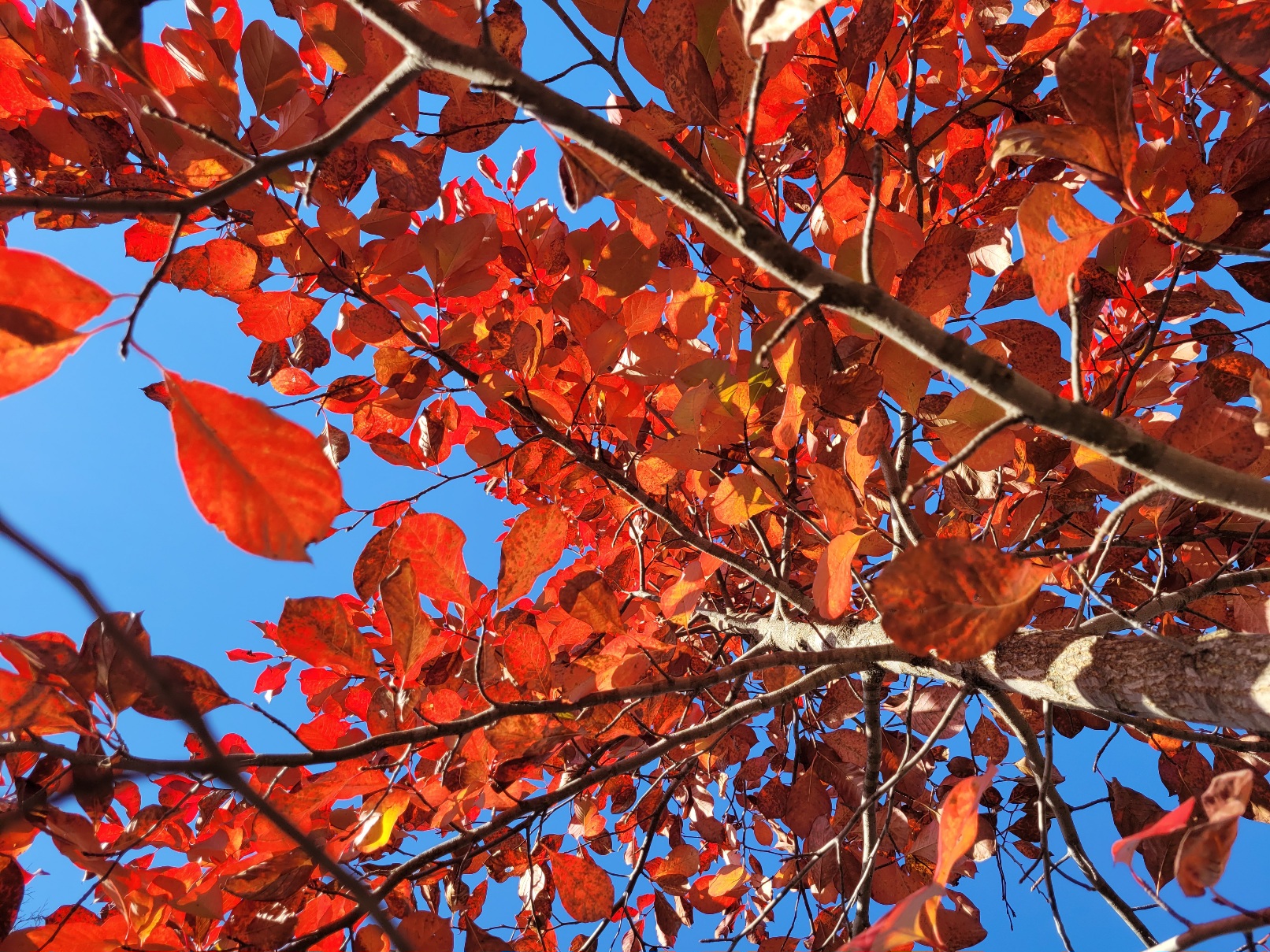
The Beast

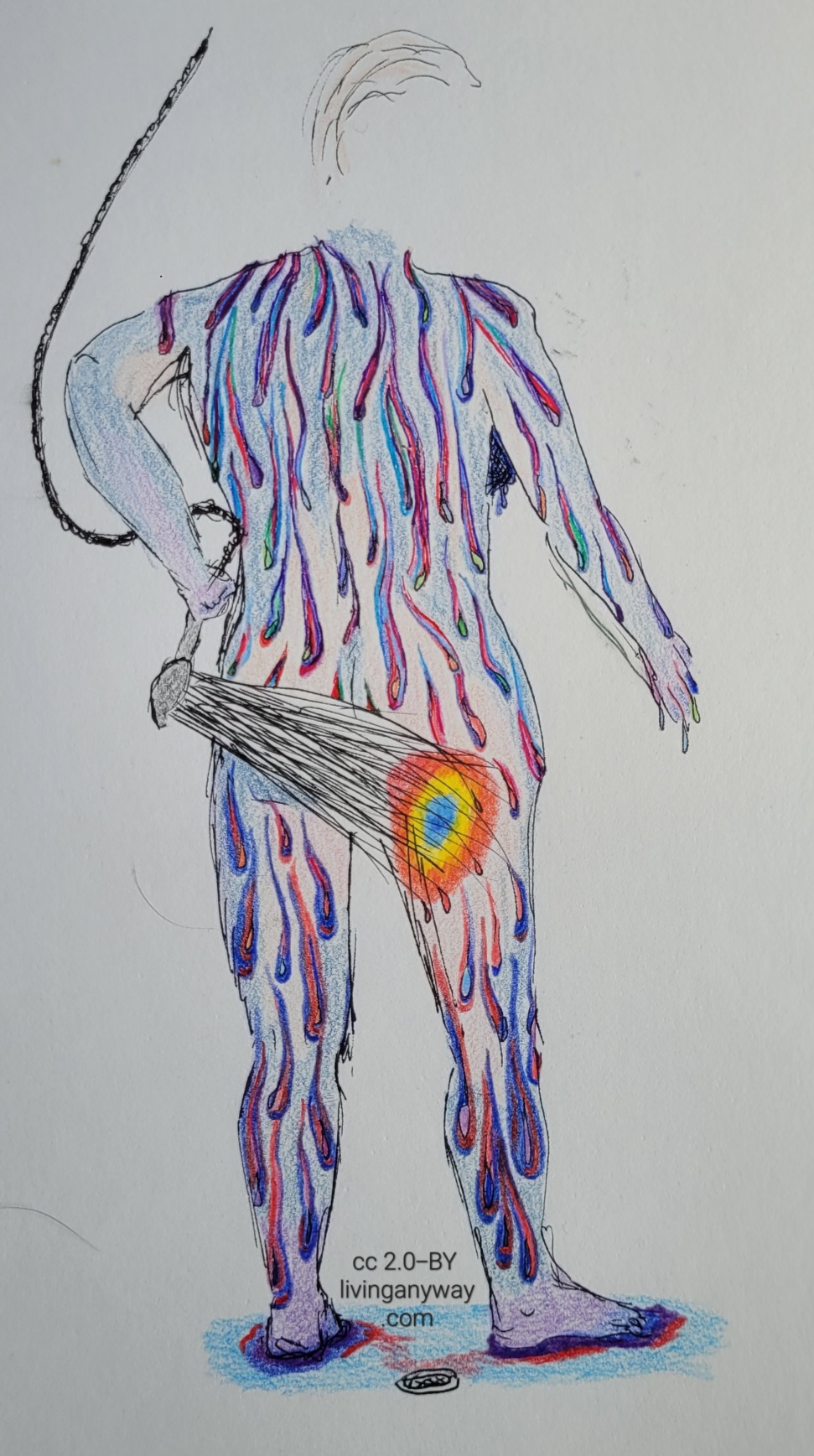
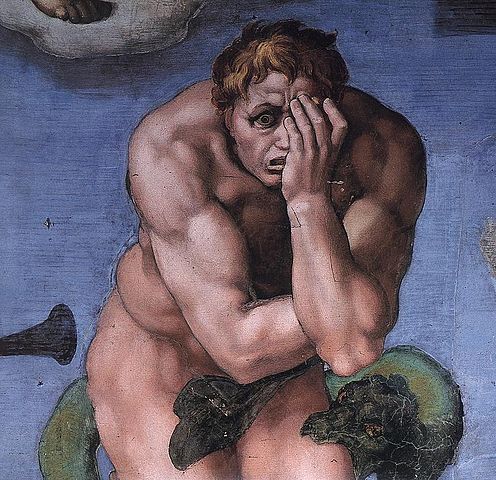
One of the characteristics of CRPS and some other longstanding brain-driven pain conditions is the occasional personality transplants which, especially combined with memory-holes and perceptual shifts, can really do a number on relationships. This situation is called the Beast. Medically, it’s considered part of the territory.

I’ve been absolutely smug about my aability to stay away from the Beast. Since regular psychotherapy is part of the gold standard of treatment for CRPS, I’ve prioritized psych care — from professionals who have a good understanding of trauma and PTSD, since actual specialists in central pain are so rare, and trauma/PTSD is a good model to start from. That care hasn’t been possible for most of the past 5 months, and I’m taking stock of how much I’ve lost in that time, now that I’m back on the schedule.

I can count on 3 fingers (now 4) the times I’ve been the Beast in ~21 years. (I’m fuzzy on my first ~4 years of illness. It was a blur.) The most recent of those times was due to a neurotoxic exposure. One was when I lived in a mold infestation I hadn’t mitigated yet. One was during a particularly hectic trauma period. The current one was after I decided to make an extended, extravagant physical effort in not-very-safe air. I really thought I could pull it off, and just rest afterwards.

But these are reasons, not excuses. I hurt people who didn’t have it coming at all. I injured relationships I care about deeply and intend to protect. Today’s event cuts particularly deep.

“Why would you do that?” is an unanswerable question. If you don’t have this shit disease, it can’t be explained. All I know is that I felt myself being pulled under, not recognizing fractured memory and wacked perceptions. I grabbed for a rope. Didn’t think what it was attached to, because I thought I was drowning.

Mind you (adds that inveterate shit, Sarcastic Sister), my feelings are such that I’d rather be dead than hurt my loved ones. But this is not the time to say that, because it makes no sense from the outside, in light of what they just experienced from me.

Need a moment to process this.

So… diligent psychoemotional tune-ups, reasonable pacing of activity, and a safe environment are not at all optional. That rubric is my best insurance against the Beast. What I know from seeing my long-term survivor cohort is that there’s no guarantee I’ll be able to avoid the Beast forever. So, I’m wrestling with this reality and not really wanting to be here for my life. (“I’d rather be dead than feel this way” was a state my late BiL and I could bond over.) Many of my fellow CRPSers know the feeling, and it eases my soul ever so slightly to know it’s part of this disease experience, and not because I’ve actually become evil.

I’ve done what I can for now. I’m off home for meditation time, if I can, and a familiar show if I can’t. I have to remember how to rest and how to push myself no harder than is good for me. I have to take recuperation very seriously and basically expect nothing from myself for a week. I have to manage this terrible storm of feelings in the absence of a stable central nervous/ endocrine system. I hope to have the chance to rebuild a couple of relationships. We’ll see if that’s do-able. Fun times.

I’m looking for some more positive message to turn towards or even something to lighten this a little, since the point of this blog is “living anyway” in spite of what this craptastic disease does to people. The only thing I’ve got to offer right now is the passage of time and the hope of some recovery… within the context of this horror-show snowballing around me, around us all.

Care of Spines & CRPS

This is about the messy intersection of CRPS & the mechanical aspects of central nervous system dysfunction, and dealing with those effects.

I’m writing through the waunnng, waunnng, waunnng of a ringing headache. I’m hoping that if I hydrate, urinate, and (carefully) ambulate enough, it’ll pass faster. We shall see. Meantime, I’ll do my best to pass on some useful info.

The brain and spine are supposed to float in cerebrospinal fluid. We are supposed to stay hydrated enough to keep those sensitive tissues from grounding out.

We have 2 kidneys – each one capable of filtering twice the water we actually need – as a practical accommodation for the fact that, throughout history, most water was filthy and needed lots of filtering.

We have 4 times the kidney power we need for a busy, messy lifetime. We’re supposed to use them! The more we use them, the healthier they can stay. They love to do their job.

When we’re properly hydrated, our brains and spines can float comfortably in their spaces. When they float comfortably, they have plenty of shock absorption protecting them.

Spinal care

Dr Faye Weinstein taught me an important part of brain & spine care.

I had too little cartilage in my knees, so I had developed the habit of dropping into chairs instead of using my legs to lower myself neatly.

She hated that. She visibly flinched, and one day she finally cried out in audible distress, “Stop doing that!”

I stopped doing that.

Just as she had predicted, my baseline level of misery became less.

Once I was out of the habit of dropping into chairs, then, when I did it again, it caused headaches and sometimes back pain (depending on my hydration, of course). I was no longer used to enduring this as part of my daily quorum of yuk.

That was (checks watch) over 10 years ago. My brain and spine, oddly enough, haven’t gotten any younger since then.

Yesterday (after a couple of days of being “too busy” to hydrate properly), while I was turning to admire something across the street (a boat or a building; I forget which)… I stepped off a step I hadn’t noticed. One step down, caught myself, barely stumbled, no harm done. Massaged my neck a bit, to ease the slight jamming on one side. In my formerly healthy system, that would have been that. Probably would have forgotten about it instantly.

But now is different.
It took 10 minutes for the icky feeling to set in at my low back and back of head. It took a little over 2 hours for the whole brain-fog and uncontrolled body pain to take hold. Chronic CRPS really is wired into the whole neurological system, and one of the hallmarks is how the spine takes on an anti-life of its own in the face of any signs of disrespect.

Clearly, my spine felt seriously disrespected.

Content warning – skip this description if you’re squeamish about pain:

We know that I have no effective pain control left to me, with genetic tweaks making narcotics disgusting (they make the pain worse, cause untreatable nausea, and trigger horrific mood swings), and mast-cell activation making NSAIDS unbearable (they cause a soft-tissue-wide inflammatory pain, making it feel like shards of hot glass are hammered into all my cells).

So, how to approach this?

There’s a super-concentrated lemon balm extract that helps calm down inflamed nerves. Lemon balm has been used to calm nerve inflammation & pain for, approximate thousands of years.

Since all the nerves coming out of my spine are feeling very hot right now, I’m taking that about every 8 hours.

Note: check this against your meds, especially with GABAnergics. Ask your pharmacist to check their standard herb-drug interaction charts.

Pain salve on my spine and up my neck before bed, and also on arms/ shoulders and hips once I tried to sleep, helped noticeably.

It was a rocky night, but I’ve been getting as much water down as my tummy will tolerate and, now that my kidneys have been flushed 3 times, the headache is noticeably easing.

Conclusion

We can’t be alert every second. Our senses are so distracting at the best of times. Finding ways to manage these impacts is unspeakably important.

Long-term pain patients tend to get self-concerned to a degree that could be obnoxious normally, but it’s a legitimate self-care attribute in a life where one wrong move or one wrong exposure can destroy weeks or months of work.

Mouse brain neurons, two pairs, stained flame yellow against red background
Image by neurollero on flickr, CC share-alike attribution license.

One benefit of this self-attention is learning how to manage and mitigate the problems that arise by catching them early, and sharing the info in the hope that it’ll do some other painee or their caretakers some good. We have to learn from each other. Nobody else is as qualified.

Neuro reset FTW

I’m working on building up stamina because being a blob doesn’t agree with me.

I had one of our rare, hard-won, absolutely stunning neuro physiotherapy sessions yesterday. It usually takes time (days or even weeks) for my body to embrace the resetting, but this one is showing up fast.

Until last week, walking a bit too far would wipe me out.

When I was well, walking lifted my spirits and calmed my mind, and “too far” had more to do with comfort & convenience than anything more pressing.

For most of my illness, walking helped in the aggregate – if I kept it up, I did better over time. It was good, and I was glad to do it, but…

I’d forgotten, until today, just how lovely it was possible to feel after a good walk.

Yes, I’ve overdone a bit, and I’m open to the idea of staying in tomorrow & taking it easy.

I just… I haven’t had a workout high in… dear heavens, I can’t even remember. Decades, possibly.

Must remember to send this link to my physiotherapist. She’ll be:

A. Over the moon for me.

B. Reminding me to drink a lot of water and put my feet up for a bit.

It’s hard to keep it all in perspective – to celebrate this properly, without falling into the old trap of ignoring all the ongoing work it took to get here; to keep it up & stay honest about the jungle of limits I still have to negotiate.

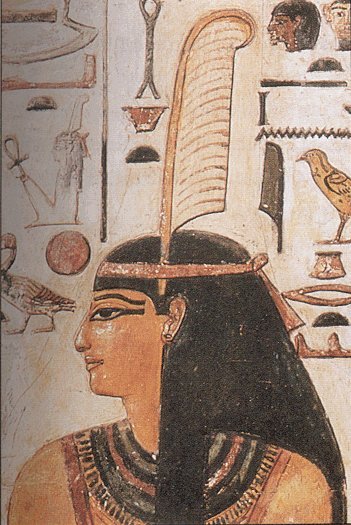
Good day, though, eh? Really, really good. My heart is as light as the feather of Ma’at…

New times; new topics

For audio version (with extra fun stuff), touch this sentence.

I’m not going to mention current events in my country.

This is a series about traveling…

Traveling in interesting ways.

The ADHD is strong in this one:

If a thing is interesting, it is ever so much more bearable.

If I were to travel, I would like to bring my pet.

I hear some of you shouting, “Why, you insufferable loon? Don’t you have enough to deal with??” (Sorry, Mom.)

For one thing, I like her company; for another, she keeps me on schedule and is really good at “body-doubling”, or hanging around to help me focus on a task. She literally holds the yarn while I crochet, and tracks the loose bits of thread when I’m sewing. Cats are supposed to be interfering, but she’s genuinely helpful.

Also… Traveling with a pet definitely makes this more interesting.

Chapter 1: pet passport

I was going to start with the effort to find a vet to make her travel certification happen. I’m not up to that right now.

Chapter 2: Trip planning

I’ve been reading up on alllllllll the aspects of this trip for a long time. Years, really, but most recently for about 3 weeks. It takes some noodling around just to find out if it’s impossible or just kinda weird.

In case it isn’t obvious, I’m okay with weird. Impossible takes a little longer.

Aspects to understand for planning a trip like this:

– The only way to get to my target continent is by air.

– Some airlines are pet-friendly.

– Some airlines that are pet-friendly for domestic flights somehow refuse to carry animals at all on international flights.

– Some airlines that are willing to carry animals on international flights, don’t allow them in the cabin. From my experiences before, I absolutely, flatly refuse to send a cat in the hold, regardless of the airline’s reputation. Never again.

– Am I overthinking/ over-explaining? I think I am.

Point is, there are all these layers and layers of information to dig through. I had to keep on digging through possibilities, then peel back the incompatible options, until everything finally got very simple.

Cats are not supposed to be in a carrier for more than about 7.5 hours. So, all I really had to do was get her from my airport to an airport less than 8 hours away; 3 to choose from. Flights within that other continent are all within that time frame, so the crossing was all that mattered.

Still with me? Good.

Flying into one of these 3 cities puts me at the heart of the high-speed rail line, something I’ve been coveting a ride on since it was first mooted roughly half a century ago.

At the other end of that high-speed rail line is a ferry ride, a 16-hour journey over one of the most adorable seas in the world, to an island that entrances me.

The total cost of the train and ferry (even with the pet) comes out to less than half the cost of another darned multi-leg plane trip *without* the pet, eating bad food, too far up to enjoy the scenery, and breathing other peoples’ air.

In short, if I were to organize such a trip, we’d have 3 modes of transport over 40 hours, lungfuls of fresh air, and moonlight on the Mediterranean to welcome me home.

I might love it. I might hate it and never want to do any of that again. Doesn’t matter from here… because it’s interesting, it’s affordable, and I want to give it a shot.


Another chance to get it right

I’ve been chewing over something for awhile and recently realized that it might be time to apply that much mercy to myself. It’s a more coherent, whole way of thinking about what I discussed in some panic in my previous post.

Complex chronic spoonies tend to drive ourselves hard because we really have no option (the exhausting, but relevant, internal chorus of “adapt or die, figure it out or eff off, push through or give up, fight or fall” is inescapable) but does it need to be so ubiquitous?

A lot of these posts have been oriented on finding light through the cracks, on putting life itself into center stage somehow. I think I’m cooking up a new way of doing that.

The most basic of basics

Many years ago, when I was working as an emergency nurse, I realized that (despite the hype & excitement) our job was fundamentally simple: give people another chance to get “it” right.

Whether “it” was keeping up with their meds, staying off of whatever was poisoning them, choosing better company, finding the healing path that worked for them – whatever. There are fewer “its” than their are people working on them, which is why we are never the only one with our struggles.

That made more sense inside my head. Sorry.

People wind up in the ER because something bad happened, and usually human ignorance, stupidity, or violence was involved.

That’s not about blame. People don’t always get to choose their company or can’t always bear to be alive without some kind of buffer between them and their situations. Even if they did do something colossally daft (like the rich kids who decided to cut out the middlemen and drive 350 miles to buy their drugs from the distributor; 4 came down, 1 eventually went back), it’s not right to require mistakes to be terminal if they don’t have to be. 

Of course people with heart disease should take their meds even when they feel fine, and get periodic blood tests to show that it’s working. Of course people with diabetes should keep an eye on their blood sugar and stay on their meds. Of course primary care when you first get symptoms is better than going to the ER when you start to fall to pieces… but it’s awfully hard to find a primary doctor these days.

Life is complicated and increasingly expensive. ER work really shows that.

Anyway, I saw our job not as holding back the sea with a broom (as some do), but as giving individual people a chance to figure out how to do things better. Lift properly. Drive sensibly. Stay off the hard stuff. Find an appropriate doctor who’ll listen – and then talk with them.

Nobody likes to be told, so reciting these mantras to them doesn’t often make sense. Oddly enough, it can be a lot more meaningful when you’re meeting their worried gaze as you administer the medication or fit their c-collar or go over the x-rays with them. Or tape and dress the wounds in their wrists.

There is so much we don’t control… sometimes we just have to remember what we could control, and how to put that in reach. It’s not easy, but it’s often very simple. When the universe is dropping its big hammer, where do I need to be when it lands? Under it? Or can I get off to one side? What will I have to let go of in order to get out of the way? Is it worth it?

The answers to this aren’t always obvious, and “worth it” to some is not the same “worth it” as for others.

What that looked like in practice

We had a lot of repeat customers. Some of them I wound up zipping into body bags, because what it took to get out from under the universe’s hammer was either too far out of reach or not ultimately worth the effort of letting go of what they were clinging to. They mostly didn’t want to die, but it wound up being too hard to do what it took to live.

I’ve got to respect that. It’s not for me to judge.

Some of them I saw come back just for ordinary bump-and-owie stuff, showing me the healing scars (inward or outward) of their old struggles. There are no words for the sense of sunrise I felt on seeing them. It made the rest worth doing.

It was all their work… but it was up to us to give them another chance to get it right.

My chance

I absolutely love to work. Being useful and productive is the bomb! If it weren’t so important to me… well, I probably would not have come down with CRPS, which stemmed from relentless overuse injuries in my case. I could not take a break to save my life. Whatever it was, I had to jump in with both feet, arms flailing and shouting “incomiiiiing!”

I imagine I could be pretty tiresome that way. Belated apologies to my friends and colleagues along the way!

I’ve been wrestling – for years (how embarrassing) – with recognizing that having fun… recreating… seeking diversion instead of merely a change of work… I’m not even sure how to put it… but that loose, apparently useless, seemingly non-productive use of my time, is really good for me.

It lowers my stress levels. It reduces my pain. It raises my spirits. I don’t know if it gives me back any of my lost abilities, because I find it incredibly hard to do and have never been able to hang onto the easy-going vibe long enough to find out.

What with one thing and another (I’m an American living stateside in January of 2025; IYKYK) I have a powerful inward pull to go somewhere glorious – and affordable, thank you very much – and simply muck about enjoying the diversions. Play tourist for once in my life. Soak up pretty colors and different sounds. Be warm every single day.

And, if I get bored or don’t like it well enough, simply go somewhere else.

At this point, a lot of places are more affordable than the U.S. (more on that later) and, for all the challenges of travel in this body, I do plan on doing nothing but recover and enjoy myself for a good while afterward.

…It’s a weird idea, honestly.

Good thing I’m used to maintaining and cultivating relationships via the internet, after a quarter century of having to do so. It makes love more portable.

It’s still a weird idea. Wherever I go, I still bring myself along, and I know I’ll have to leave my compulsiveness behind with my snowboots. That’s unnatural, but I’ll learn.

Learning to let go of that deep attachment to being productive and useful is not the same as not being productive and useful – but it could give me time and space to heal my much-clobbered systems.

That might be the point.

Rest and play is widely regarded as essential. I think that’s the “it” that I need to work on getting right. Get out from under the falling hammer of overdriving a broken system.

Still a weird idea! LOL!

The times, they are a-changing

Without descending into the morass of modern U. S. history and politics, let’s just say that I’d like the first months – up to half a year – of the new regime to happen with me being somewhere bearable, where good produce is a lot cheaper and the medical care both stable and affordable.

None of this is likely here, where my food prices rose about 30% during the harvest season and there is much loose talk and planned chaos around Medicare and the dole (which I depend on to stay alive) – not to mention the cost of everything rising by 15-60%.

The pundits and those who follow them tell me not to worry, because there are rules and procedures “they” have to follow.

Given the Mump track records regarding rules and procedures, all I can do is smile sweetly so as not to worry my loved ones, and let my mental gears turn more quietly.

Hot tip #1: a tariff is a tax. These get passed on to the consumers, not sucked up by the companies from countries exporting to us.

Hot tip #2: as we’ve seen so clearly over the past 5 years, industries don’t just raise costs in line with their own expenses, but jack them up to see just how much the market will bear. Given a captive market, this has gotten really ugly. Remember eggs last year? The sub-prime lending fiasco leading to the 2008-9 crash? Yeah, it’s an established pattern.

So anyway… here I am: if I stay in one place, I’ll be wrestling hard with un-meetable expenses (my dietary needs are simple, but not cheap) and a constantly-cycling urge to run away. That’s neither stable, healthy, nor fun. Been there, did that, threw away the t-shirt.

I didn’t grow up in one place, or even one country. I’m not mentally stuck here, and I don’t believe I have to put up with the scrambling anxiety or insufferable expenses to come as the Mump Regime and its trail of chaos gets itself through the initial reality-checks.

I’ve been toying with the idea that it’s healthful and good to be warm, stable, and happy. That takes adjusting to, because so much of what makes me feel anchored to the world is about work. I love to be productive. It makes me feel superbly grounded to be useful/helpful to others. This is very compelling… but as far as my daily choices go, doesn’t have a lot to do with being warm, stable, and happy.

It does have to do with abusing my eyes and attention with falling down back-lit rabbit-holes and trying to turn the swarms of information floating around in my brain into streams of relevant words, pertinent to the question I’ve just read.

But I’ve got serious limits and, as it turns out, I am much more useful and productive after I’ve been taking really good care of myself and playing and recreating and being happy outdoors – a lot.

This doesn’t sound like computer-gazing, which is how most of my work happens.

This focus on making myself happy is a weird concept, and I’m still working out a lot of the details. I mean, not even details – I haven’t settled on where to start; even my departure date is unfixed. Getting the right people in to keep my place clean & warm while I’m gone is kind of a big deal too. I’m not prepared to move and won’t sacrifice my sweet little home – not until I’ve got a much better offer in hand, anyway!

Anything could happen. I’m trying to keep breathing properly as I say that.

Maybe it’s time to take a sabbatical…

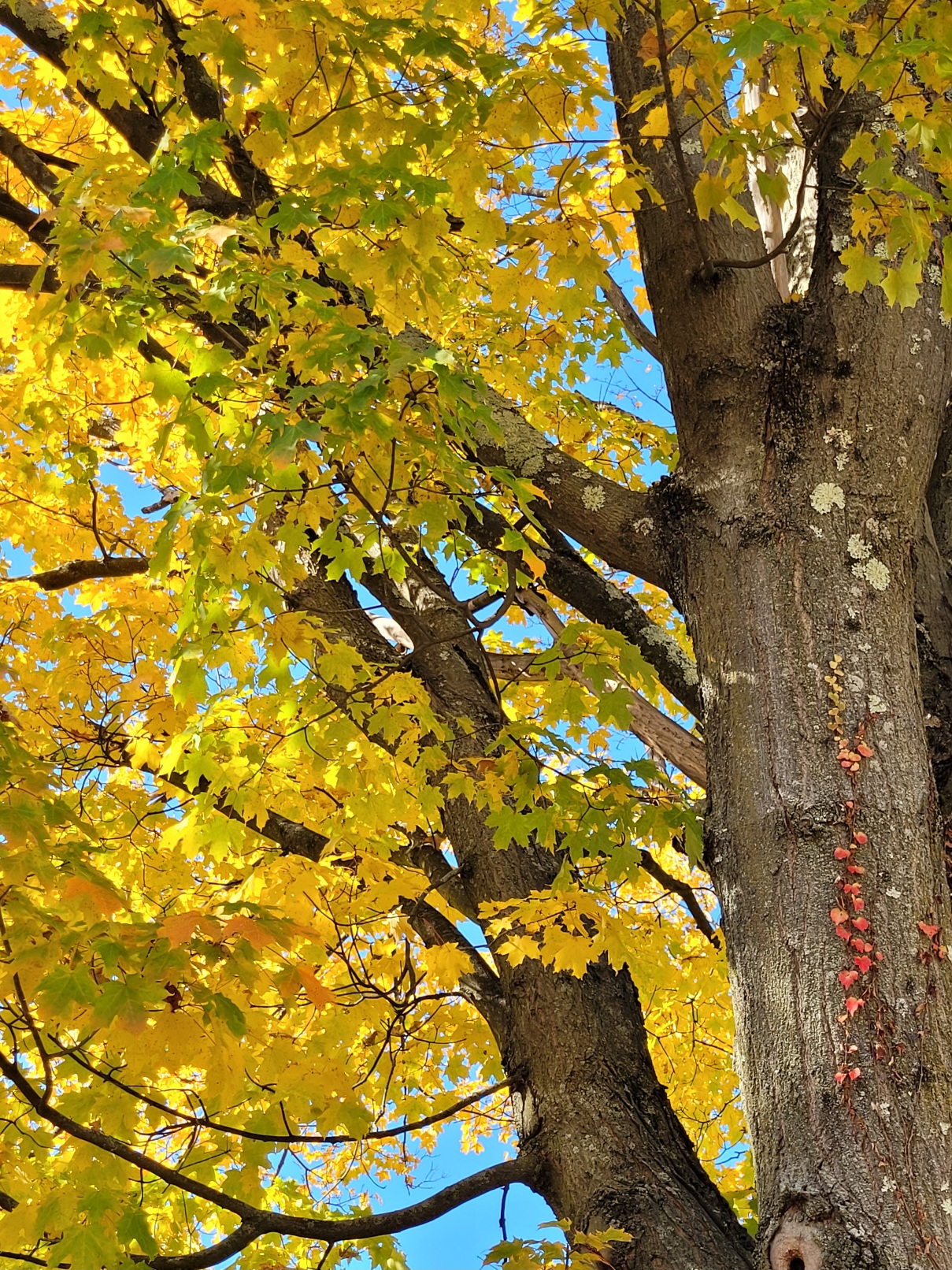
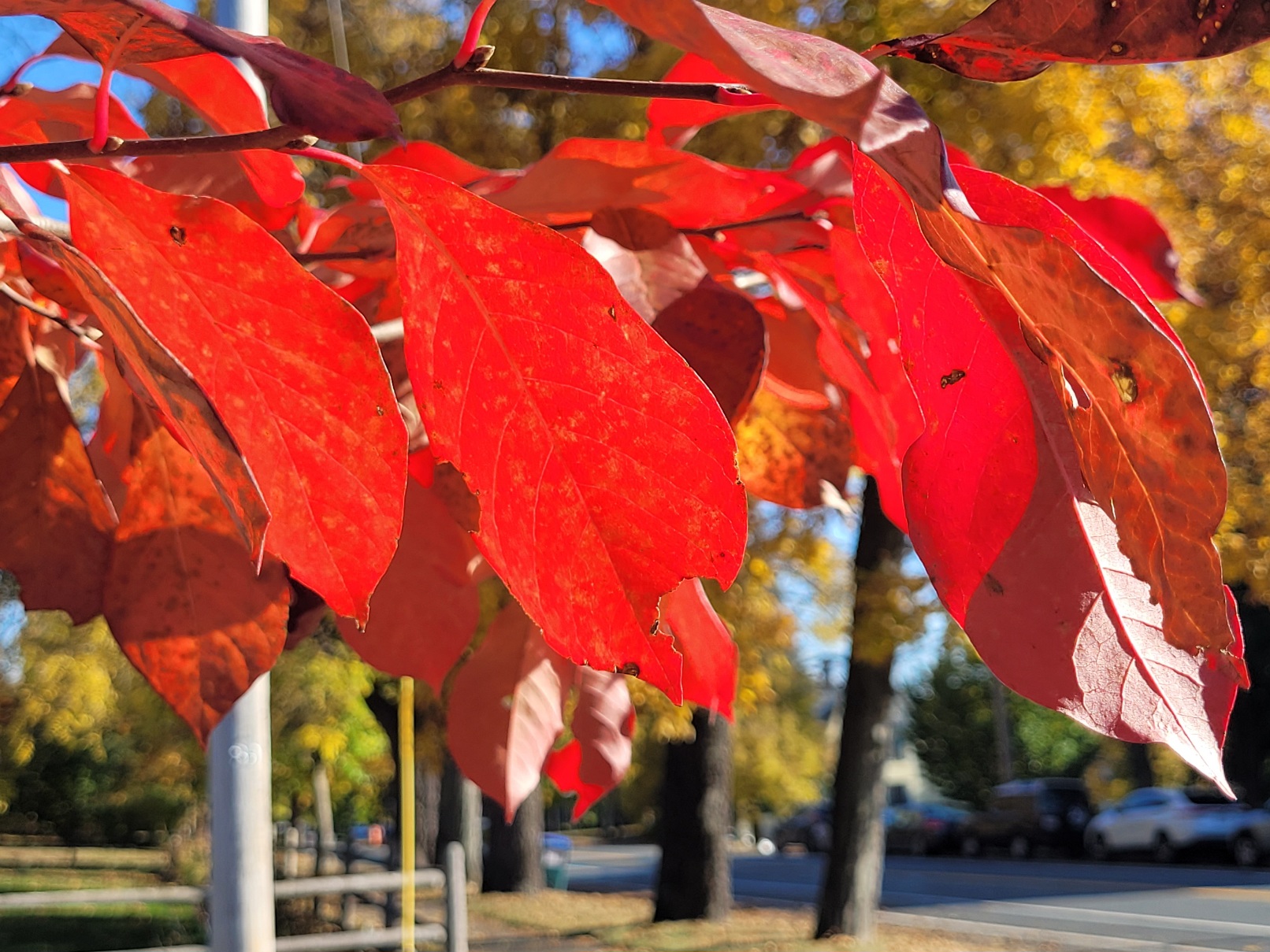
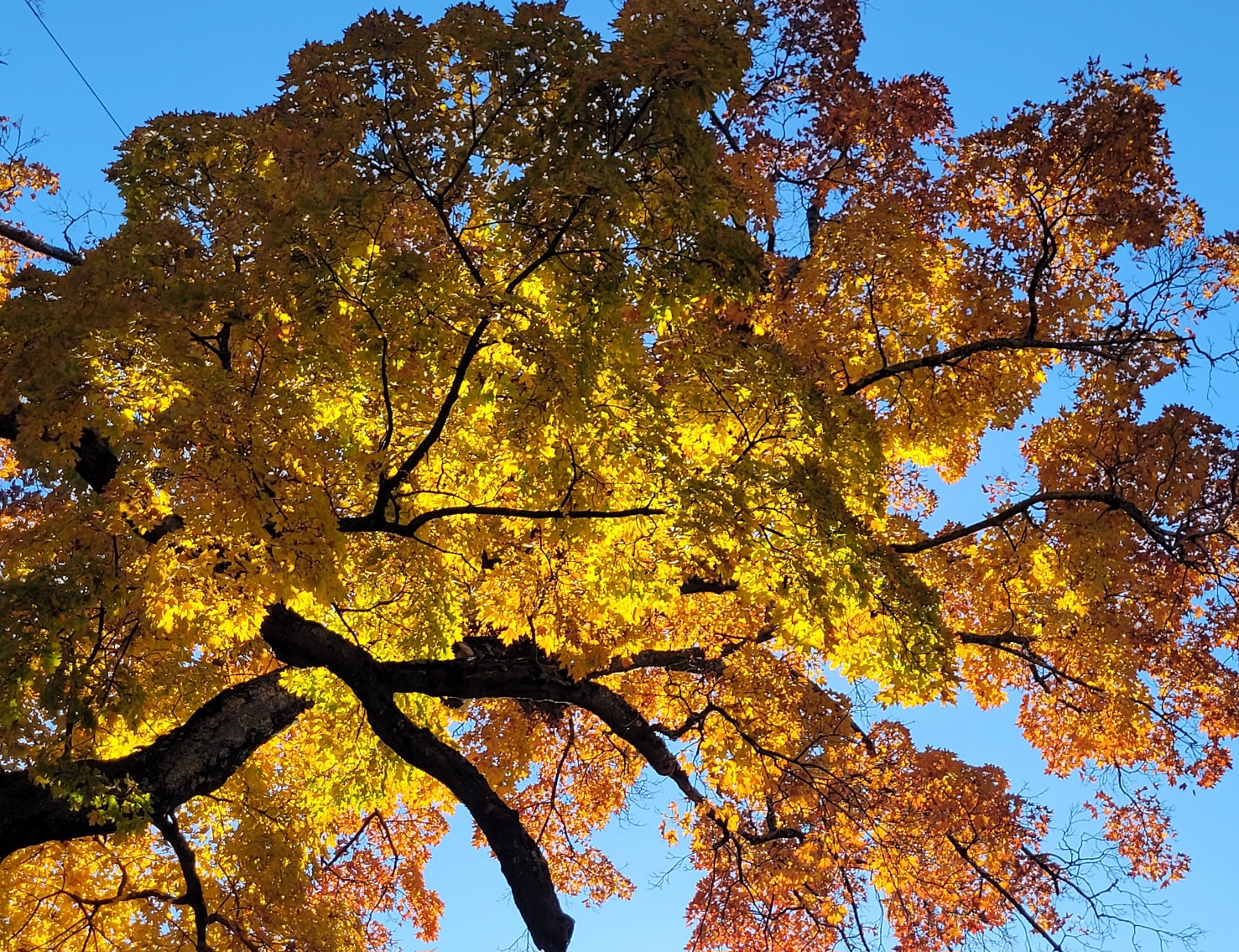
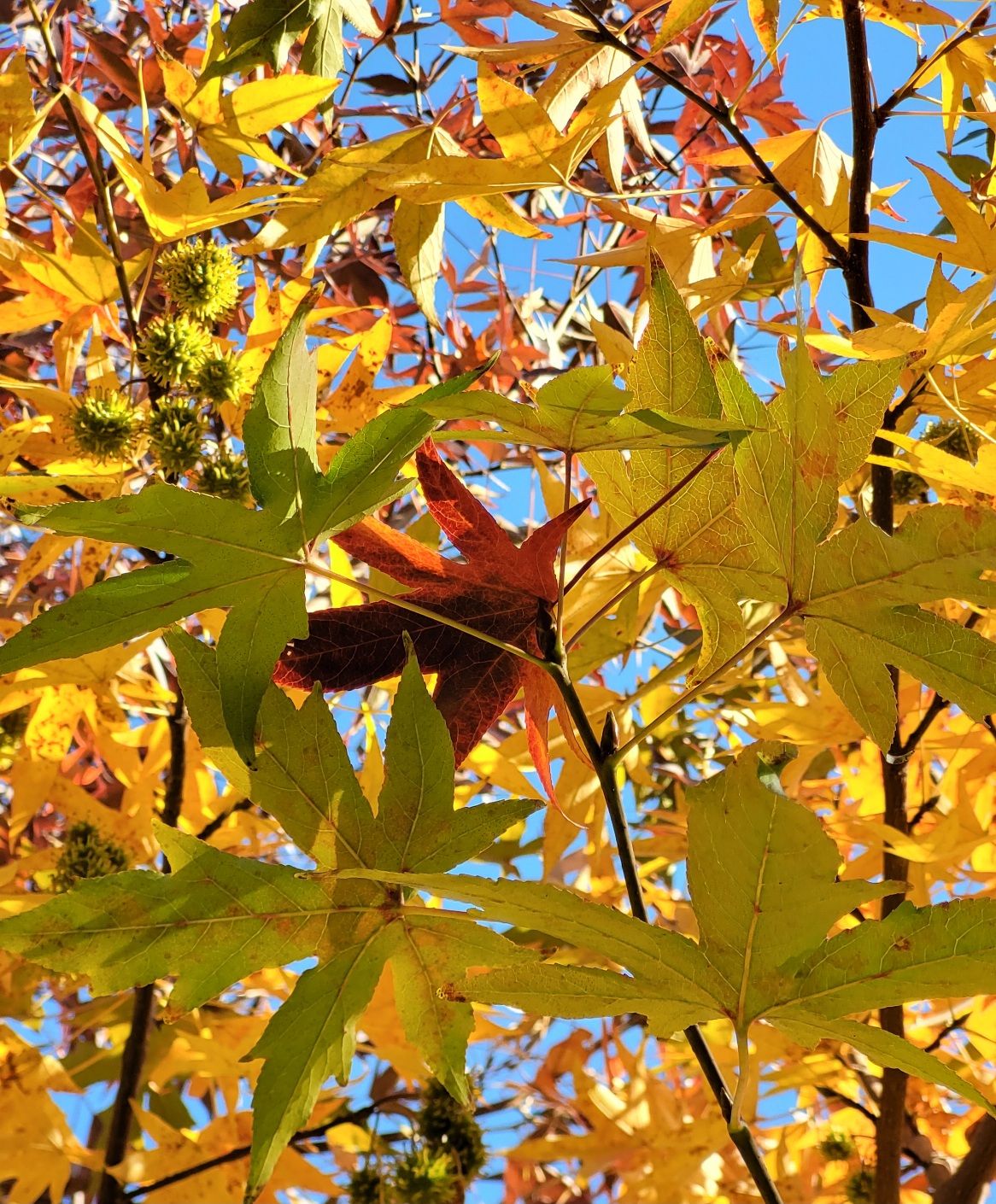
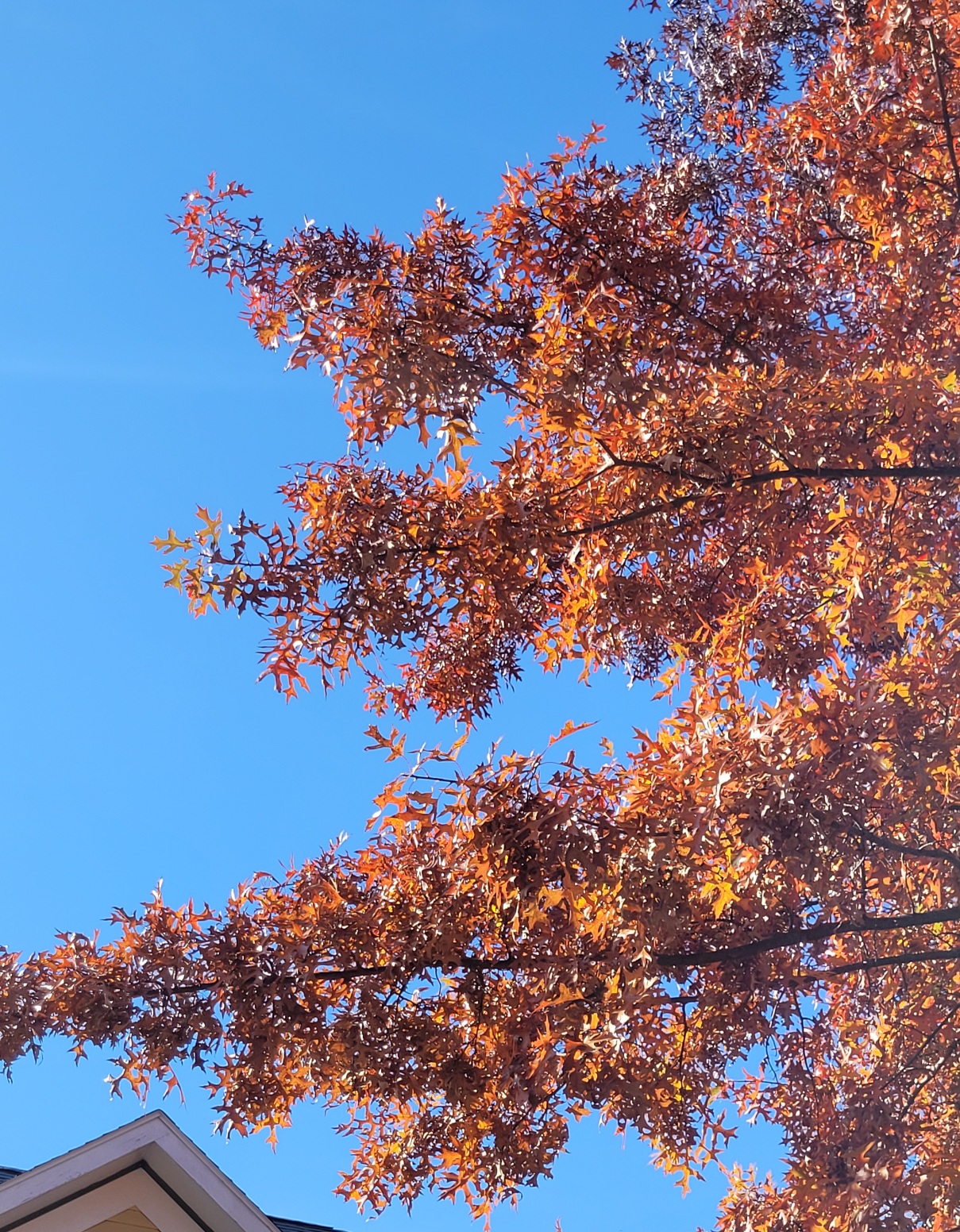
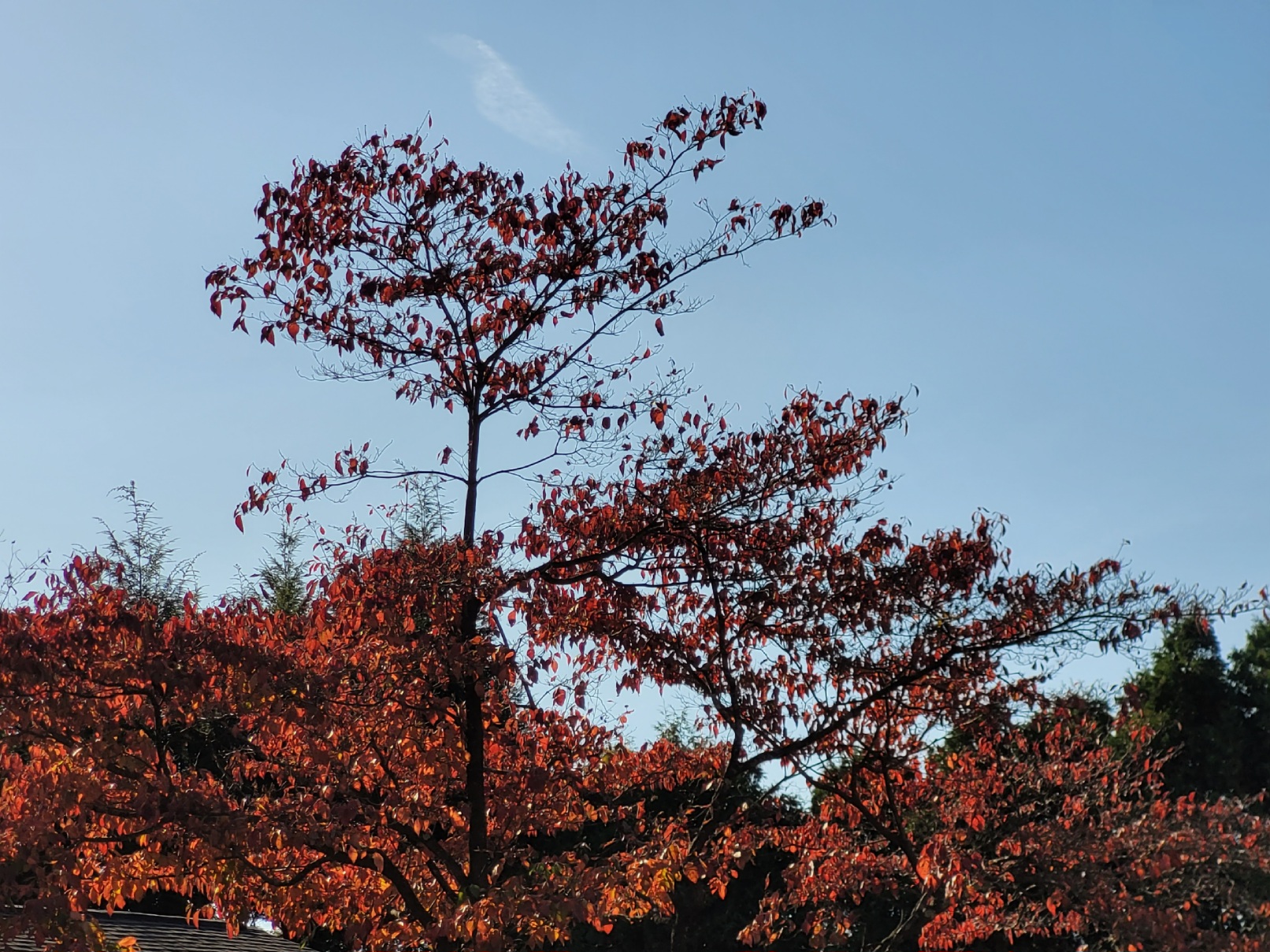
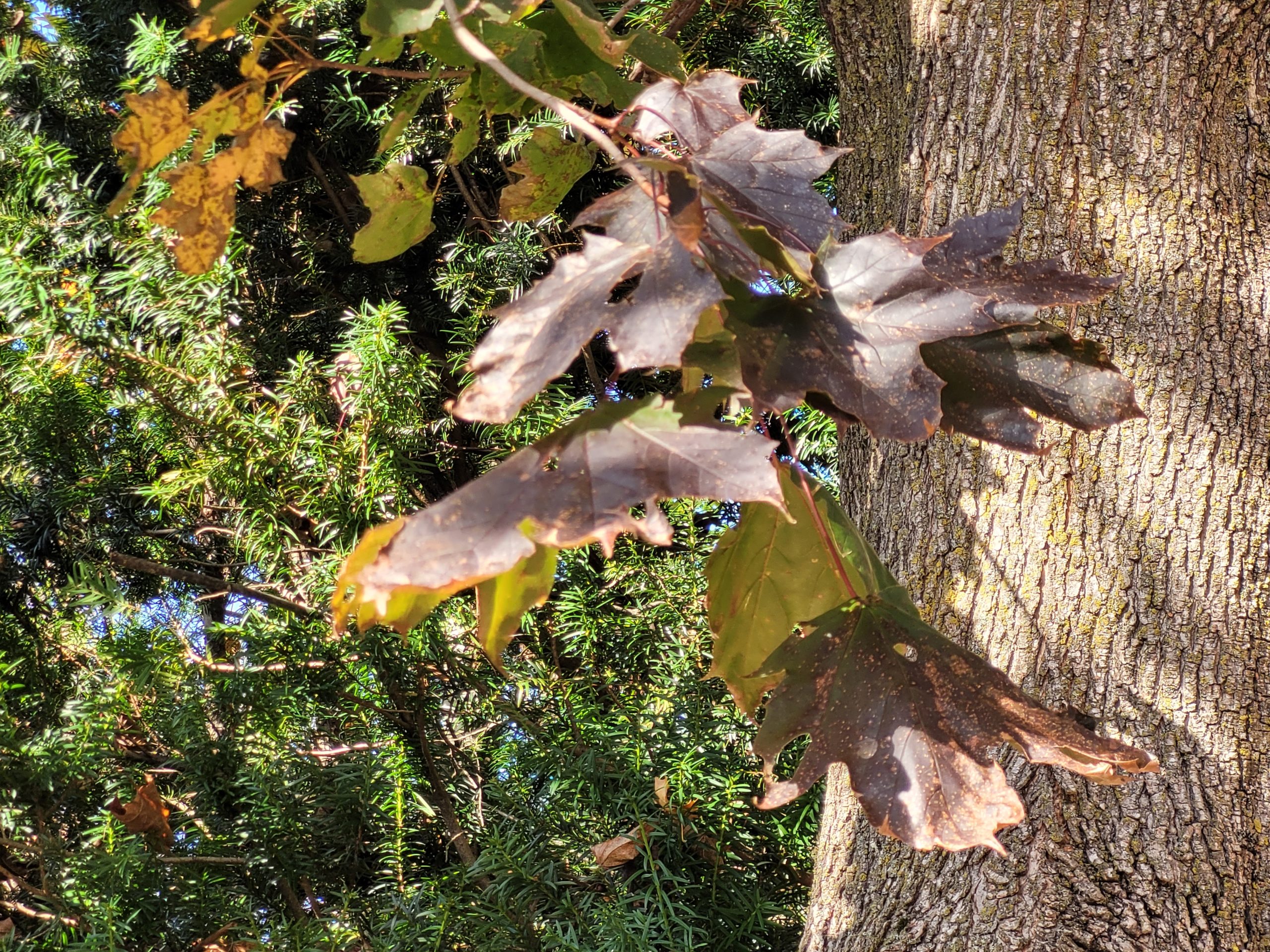
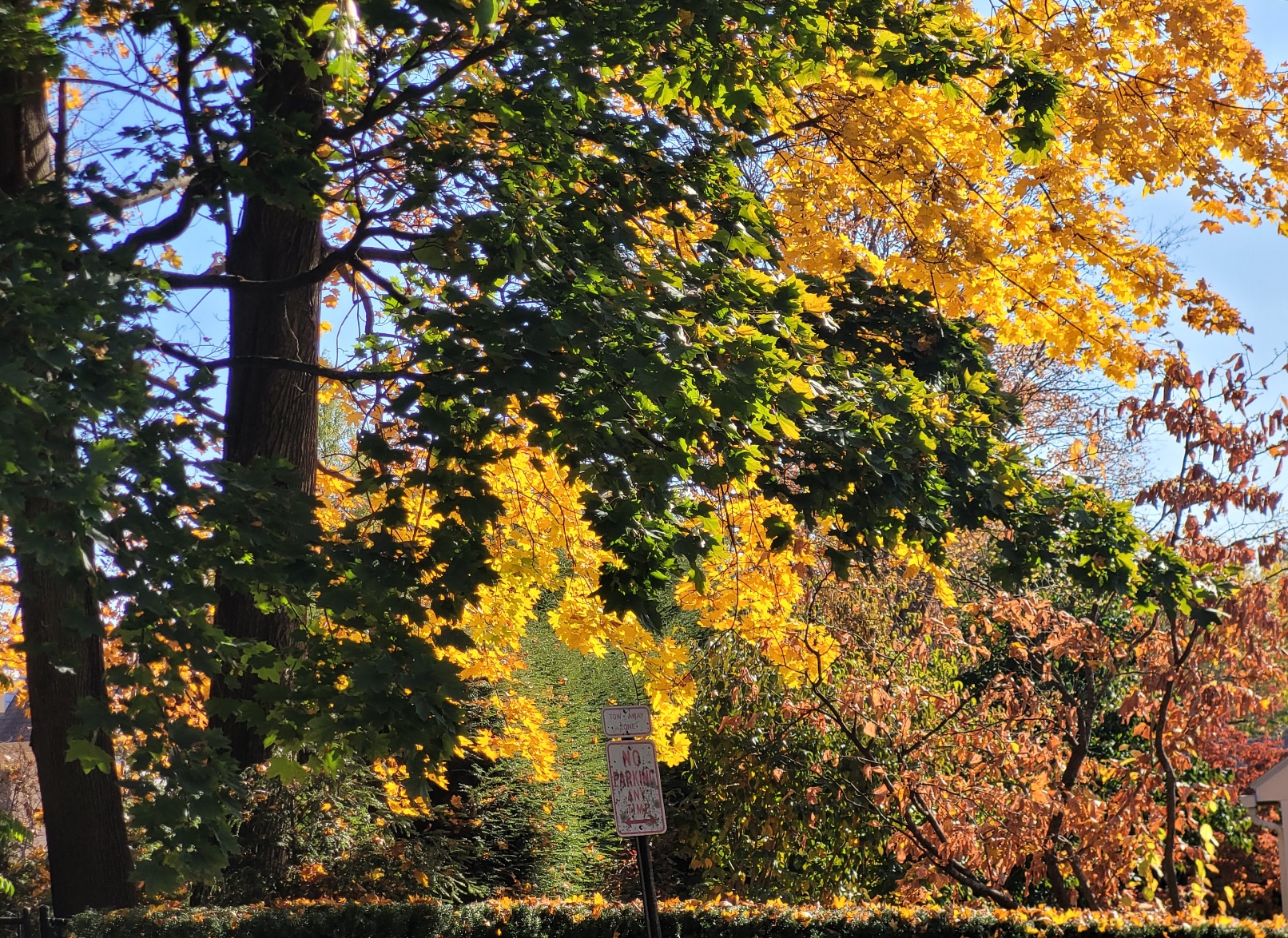
Photos from today’s walk, #1

I got into the habit of sharing photos from my outings with a bedbound friend of mine. She left this world years ago, but I still like taking pictures of things I find beautiful, and I still want to share them. My social media tool is buggy about pictures, so I’ve given up on sharing images that way. (Nope, I’m not taking on another platform. Not with this pile of curds in my skull.)

Then I remembered that I have a blog… 🤣

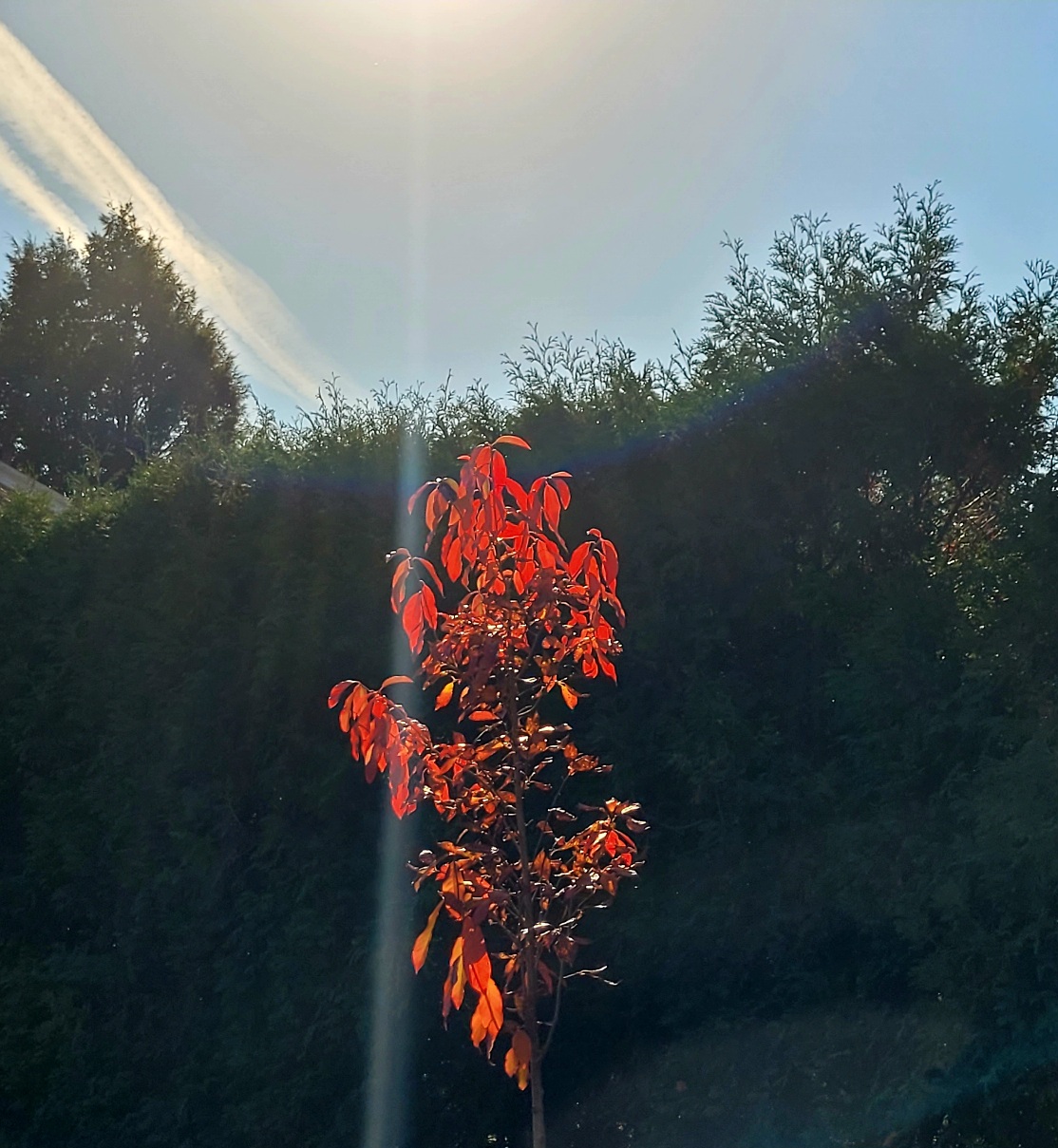
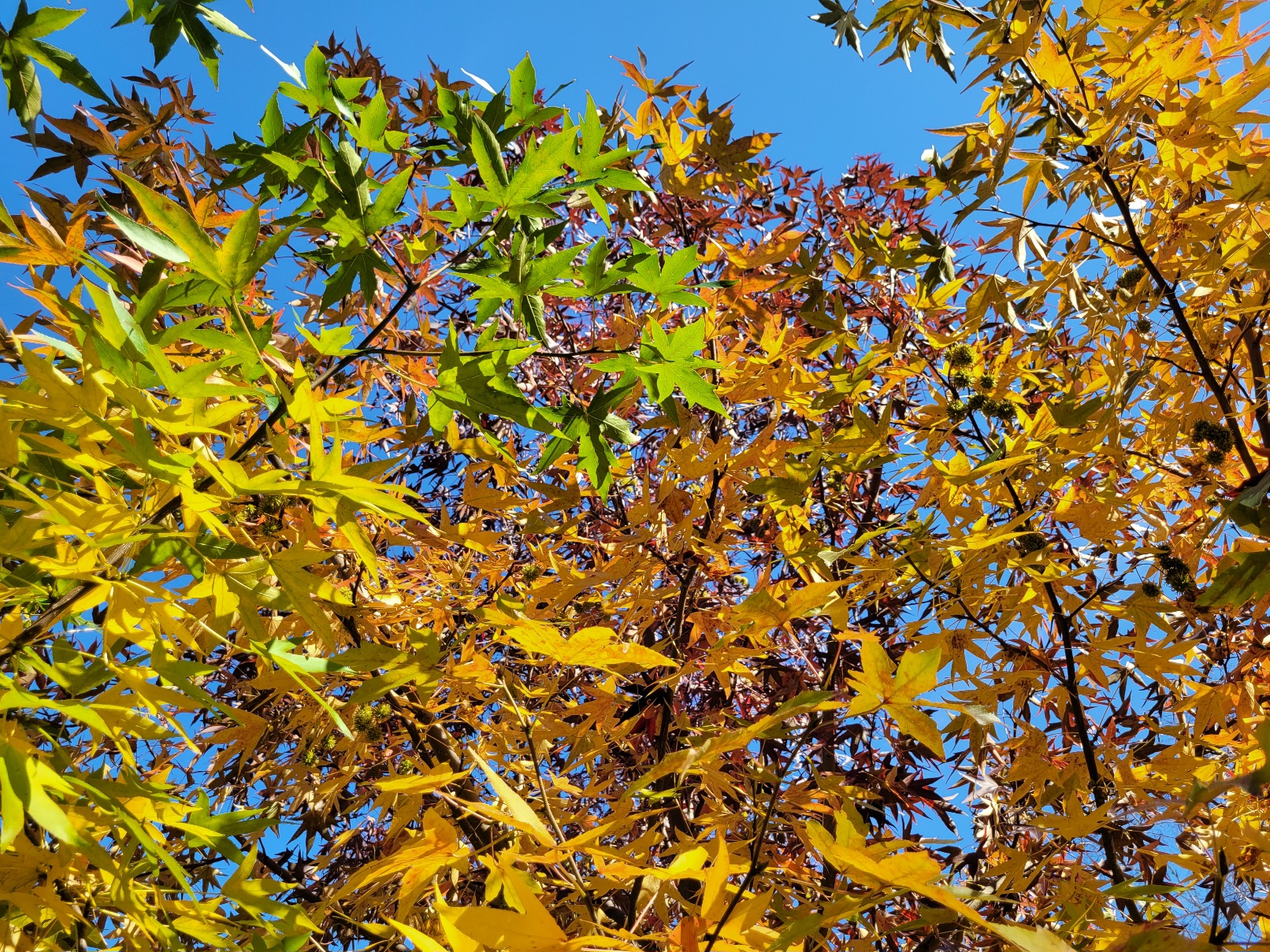
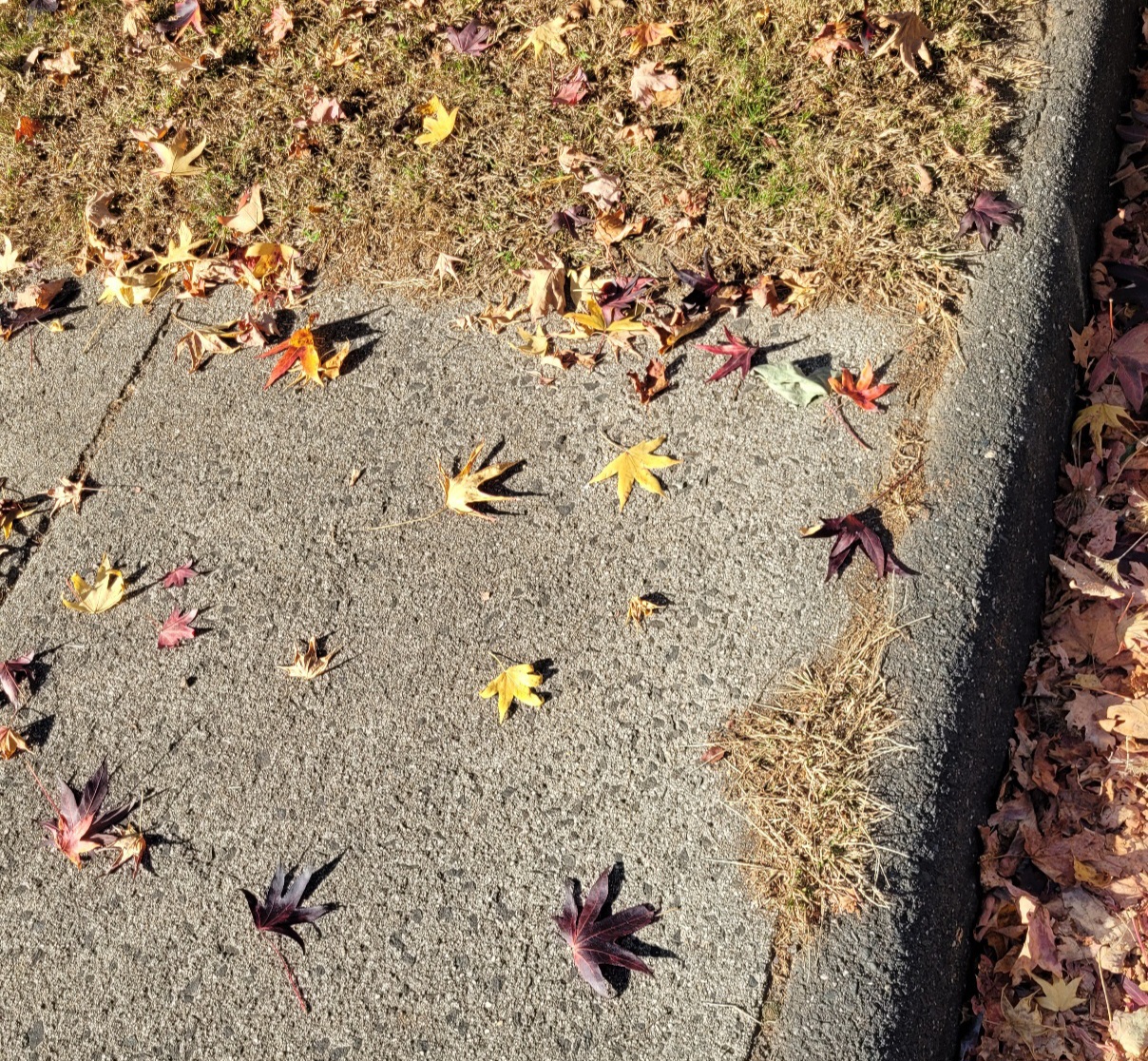
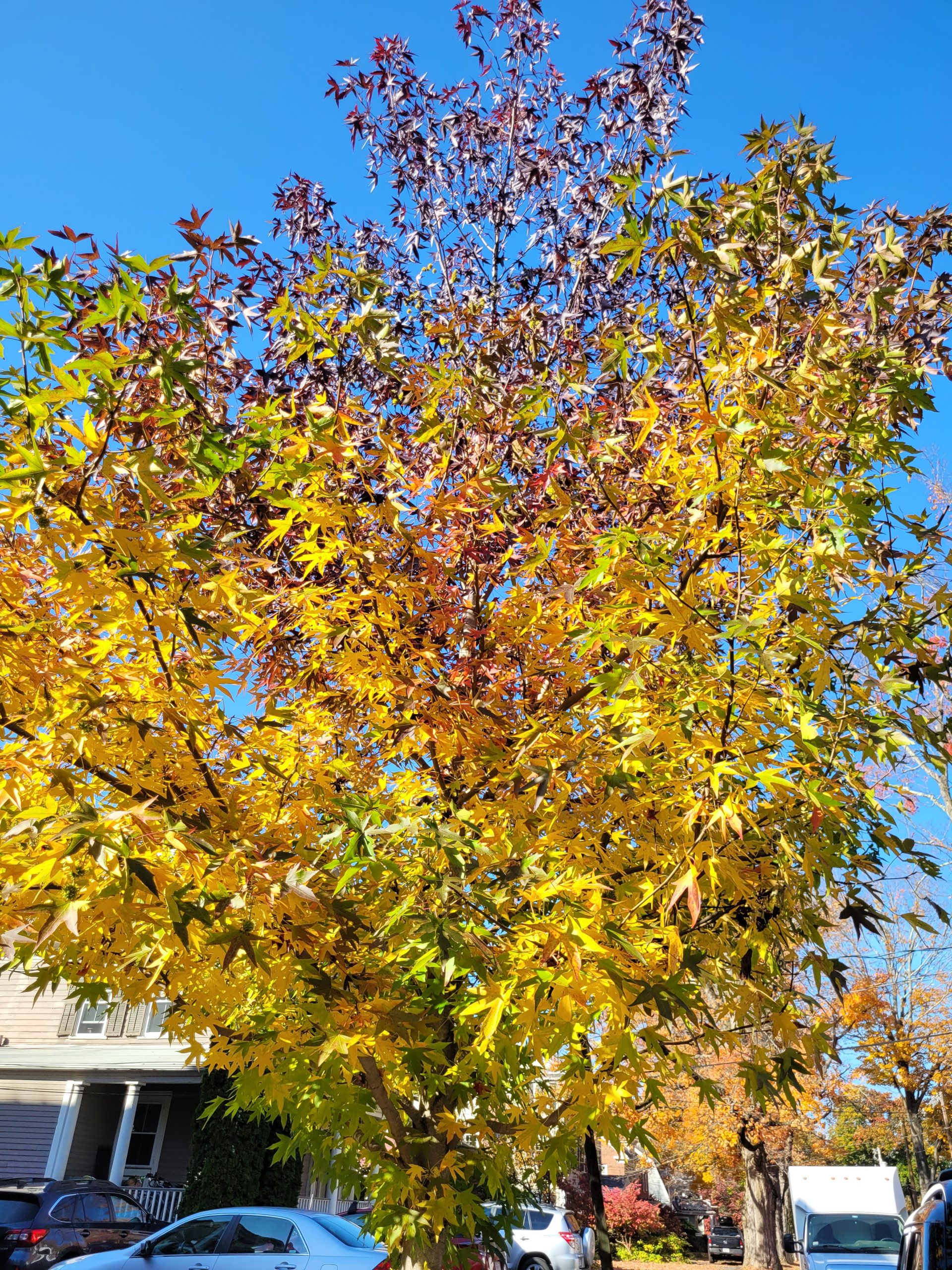
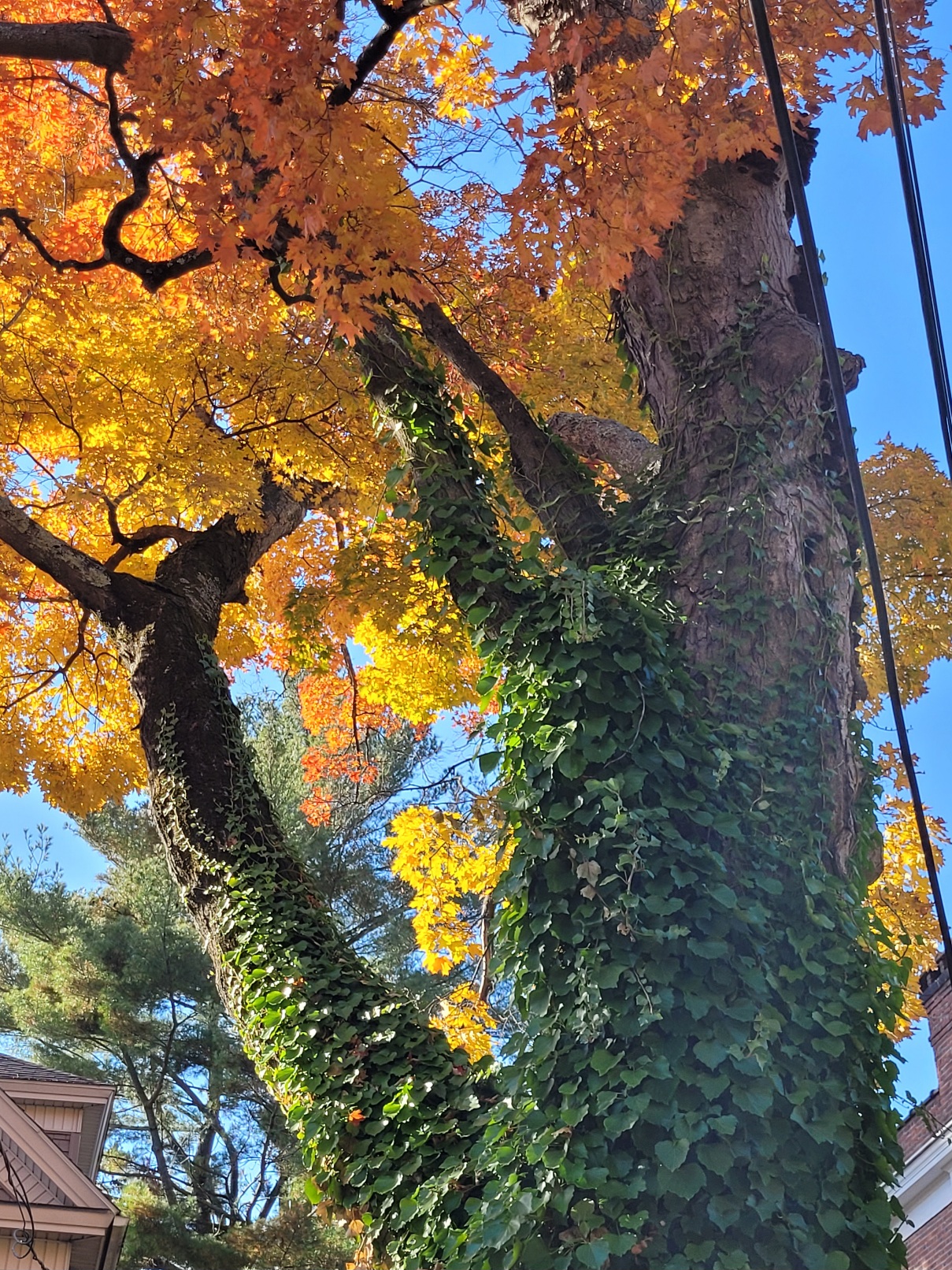
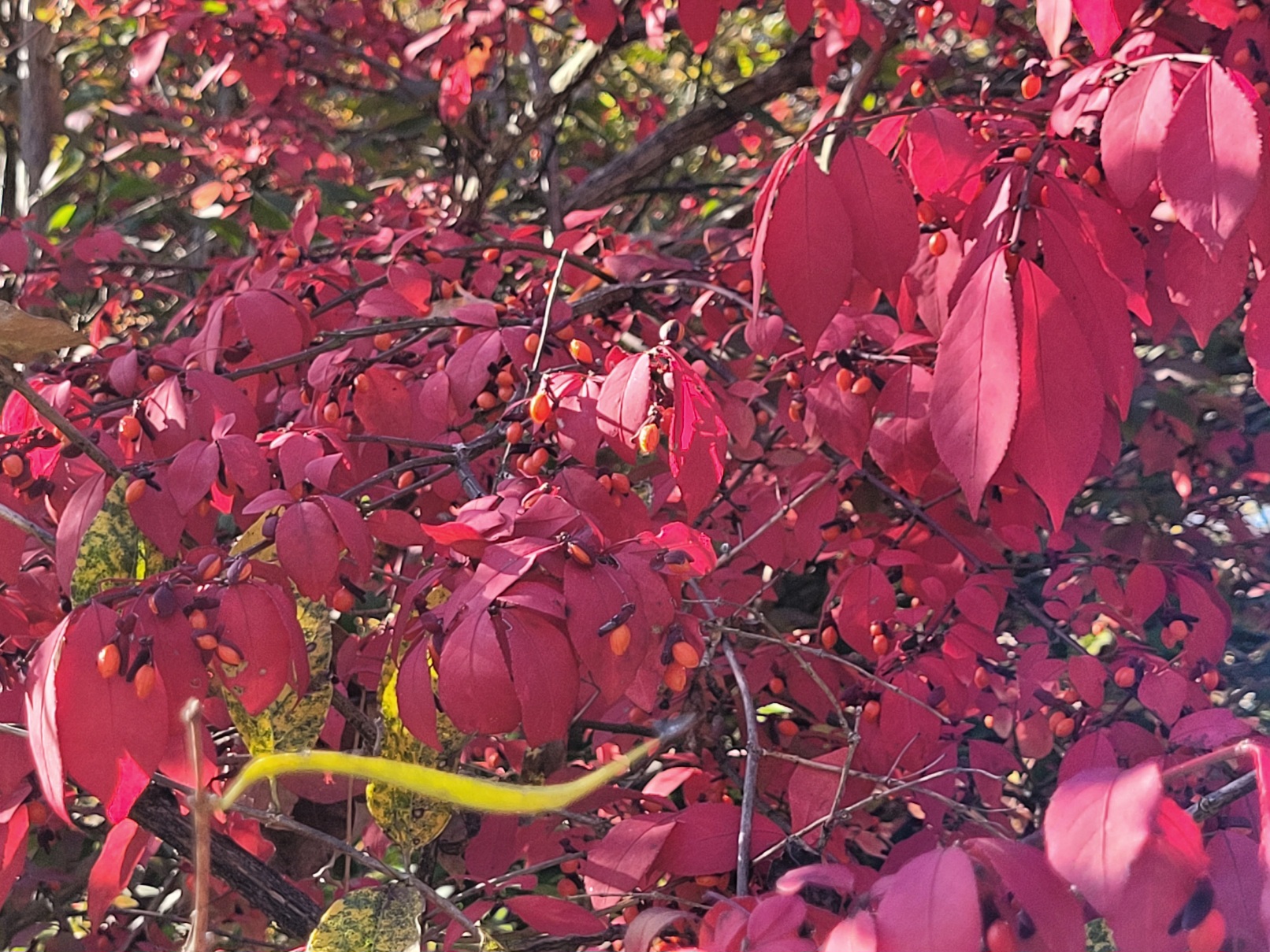
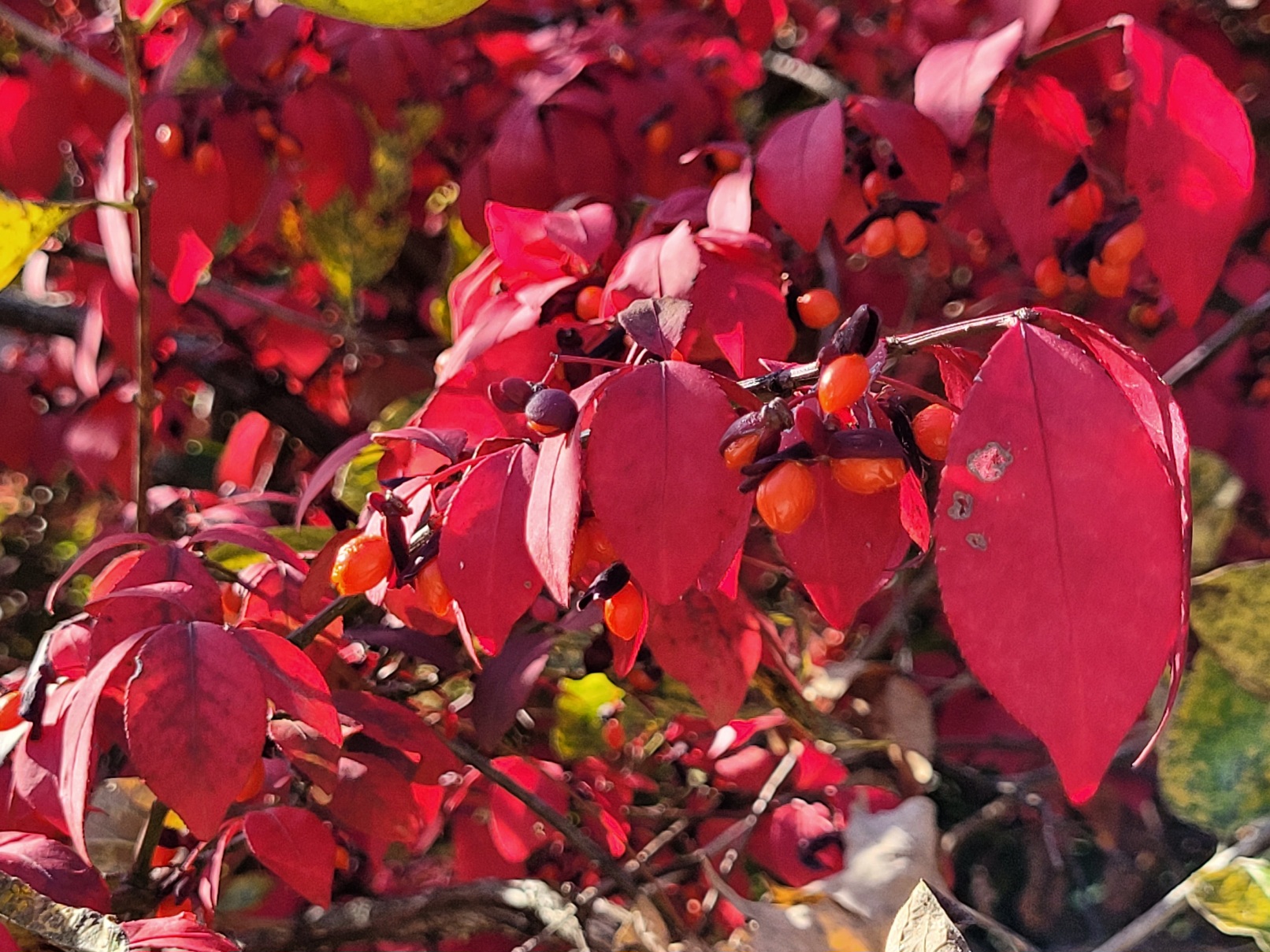
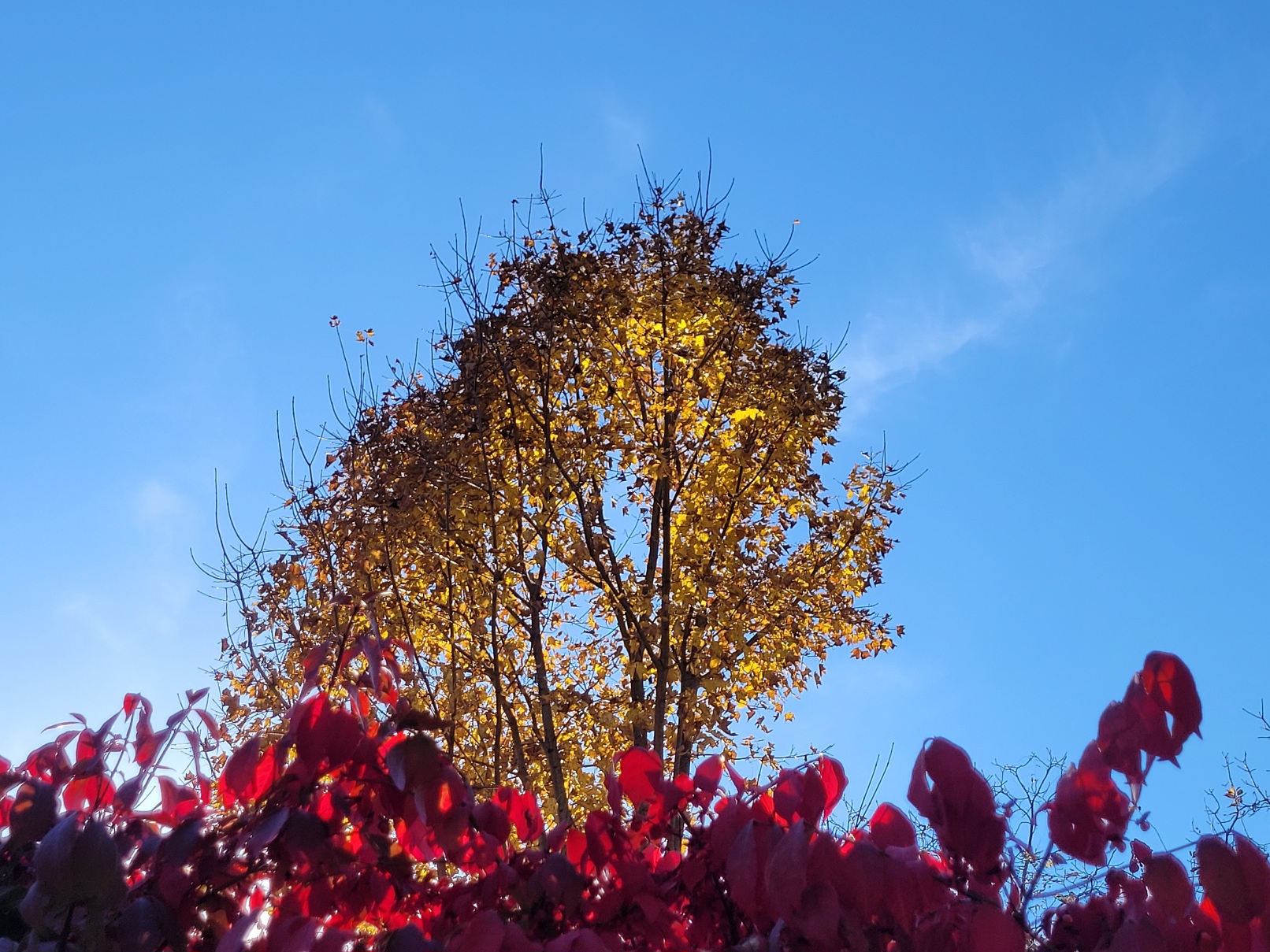
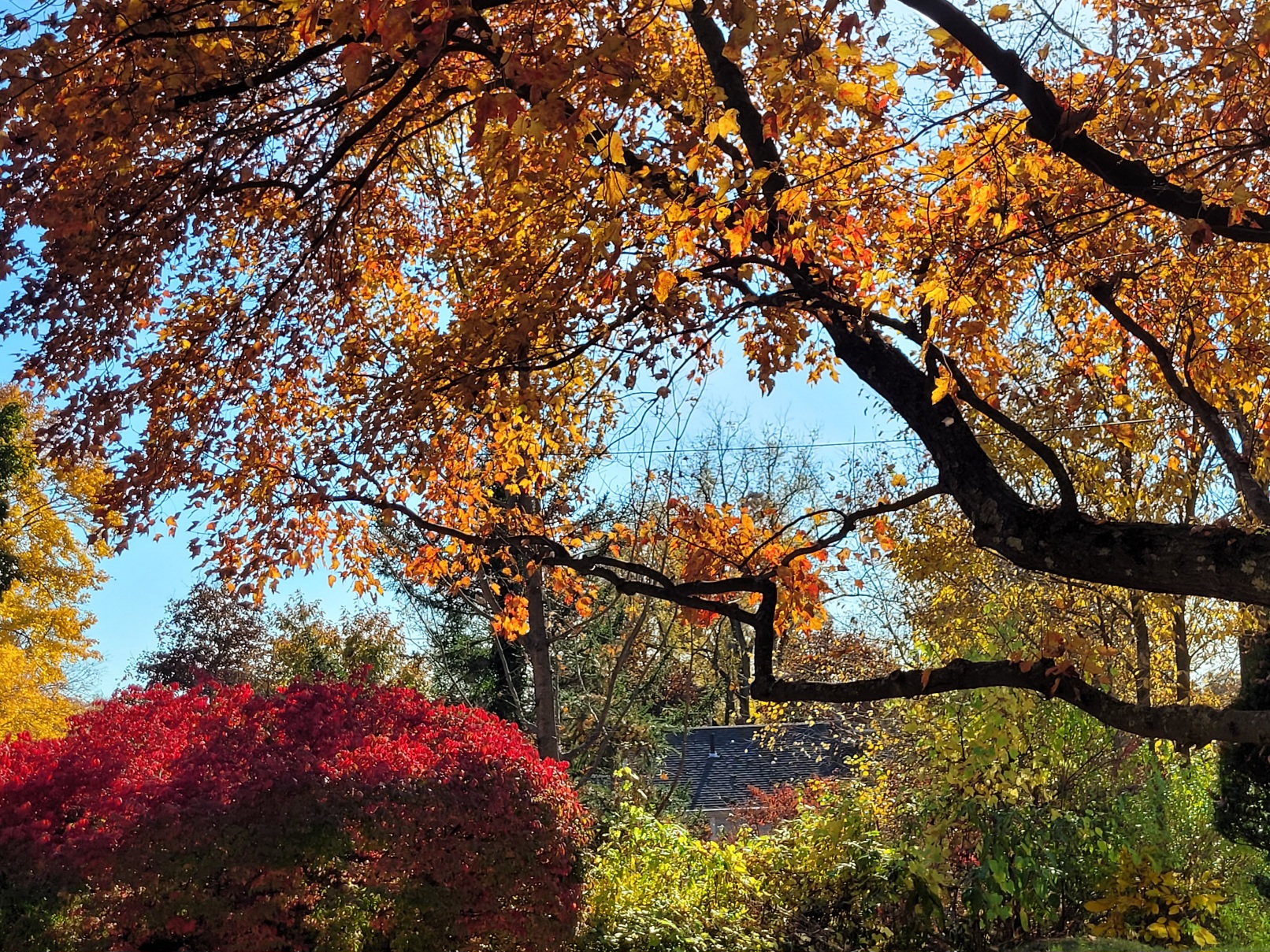
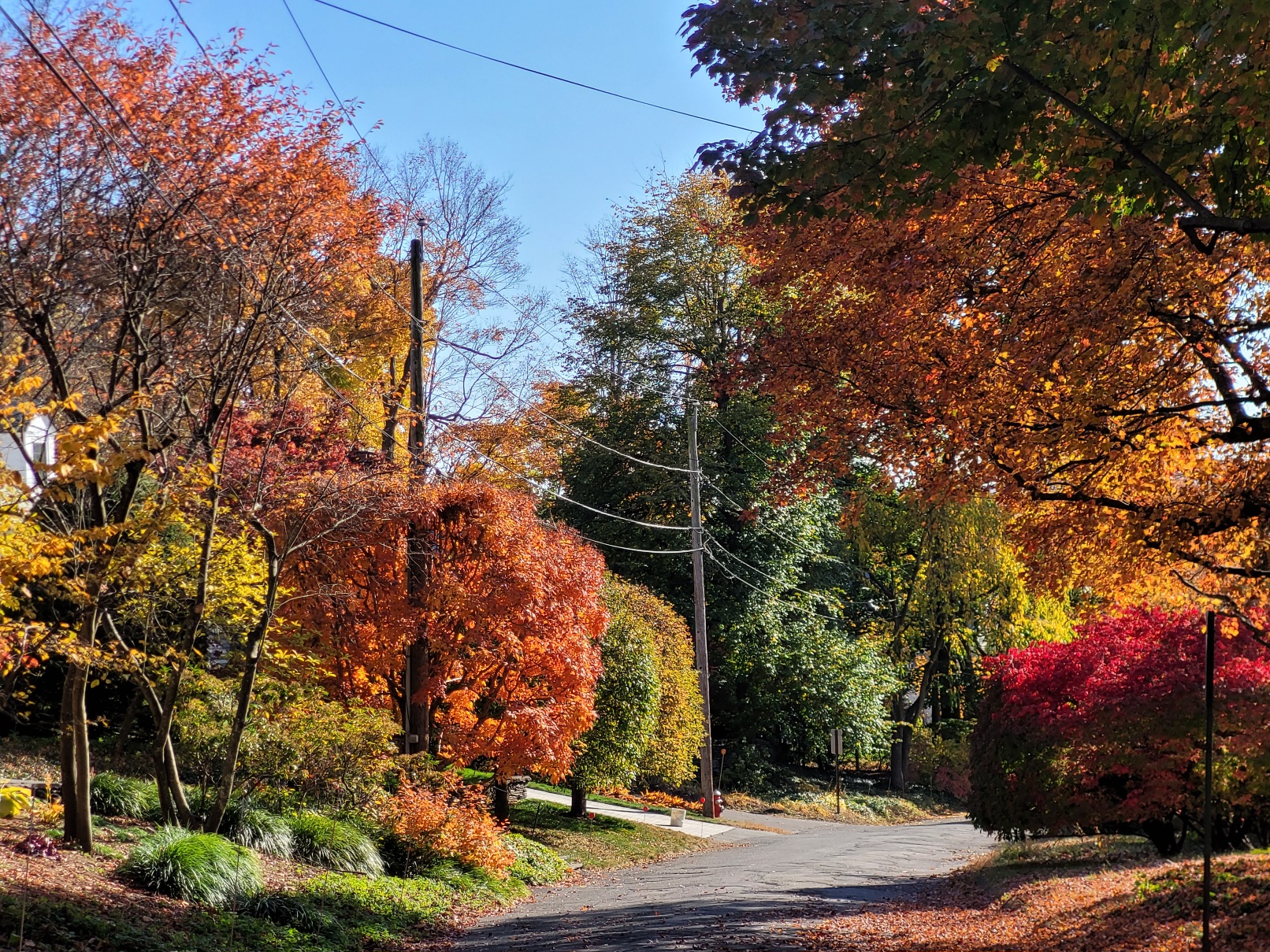
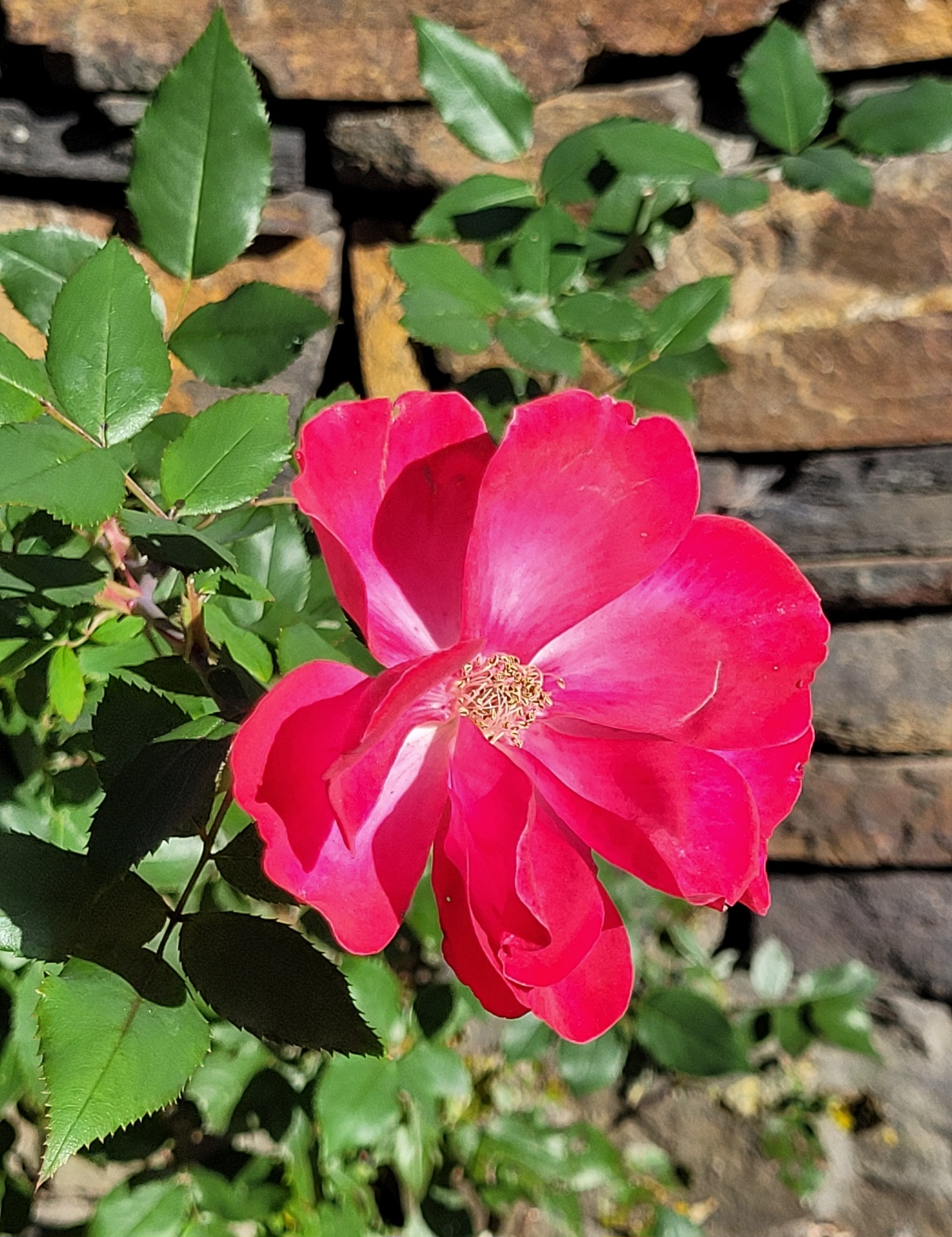
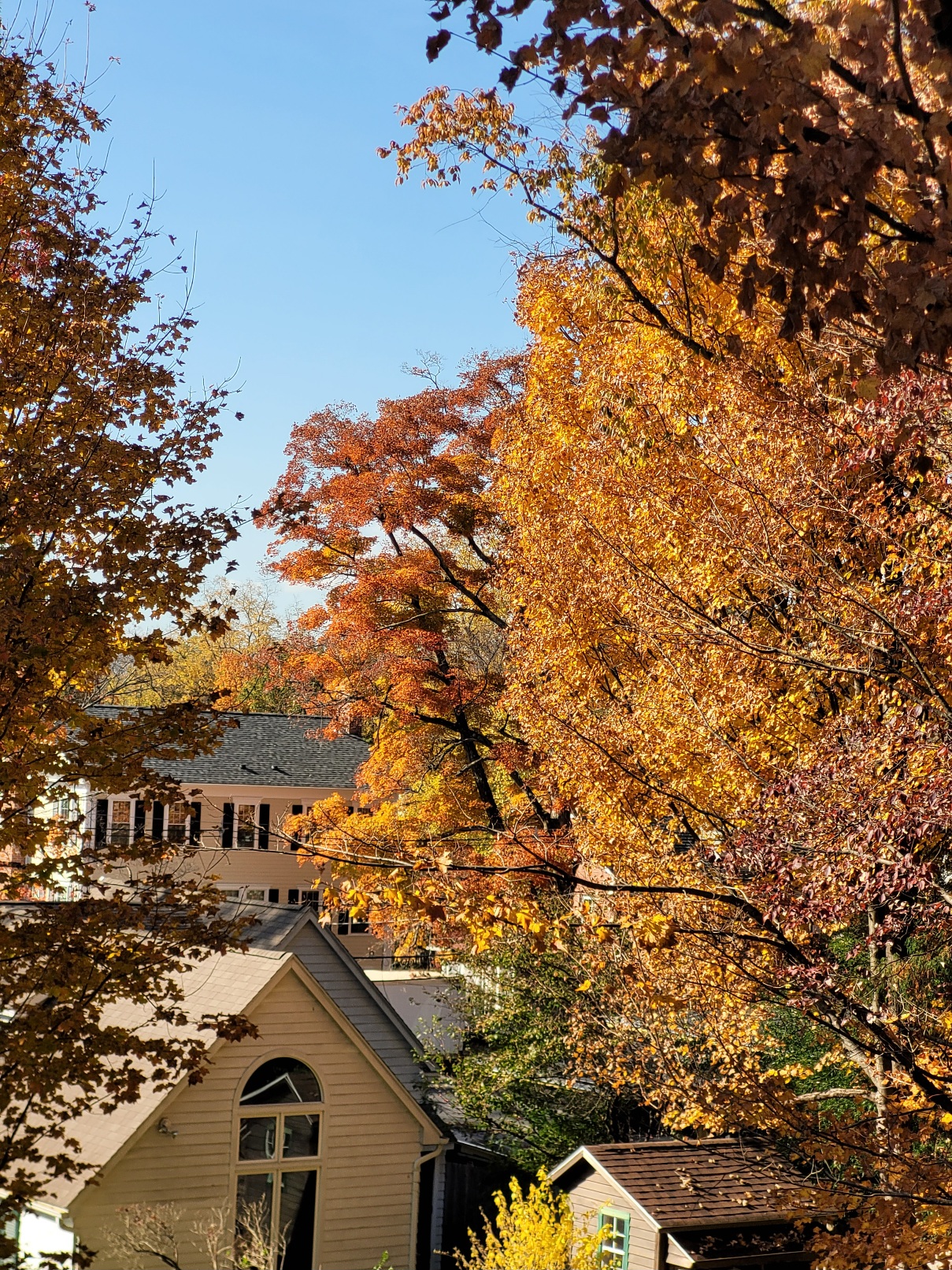
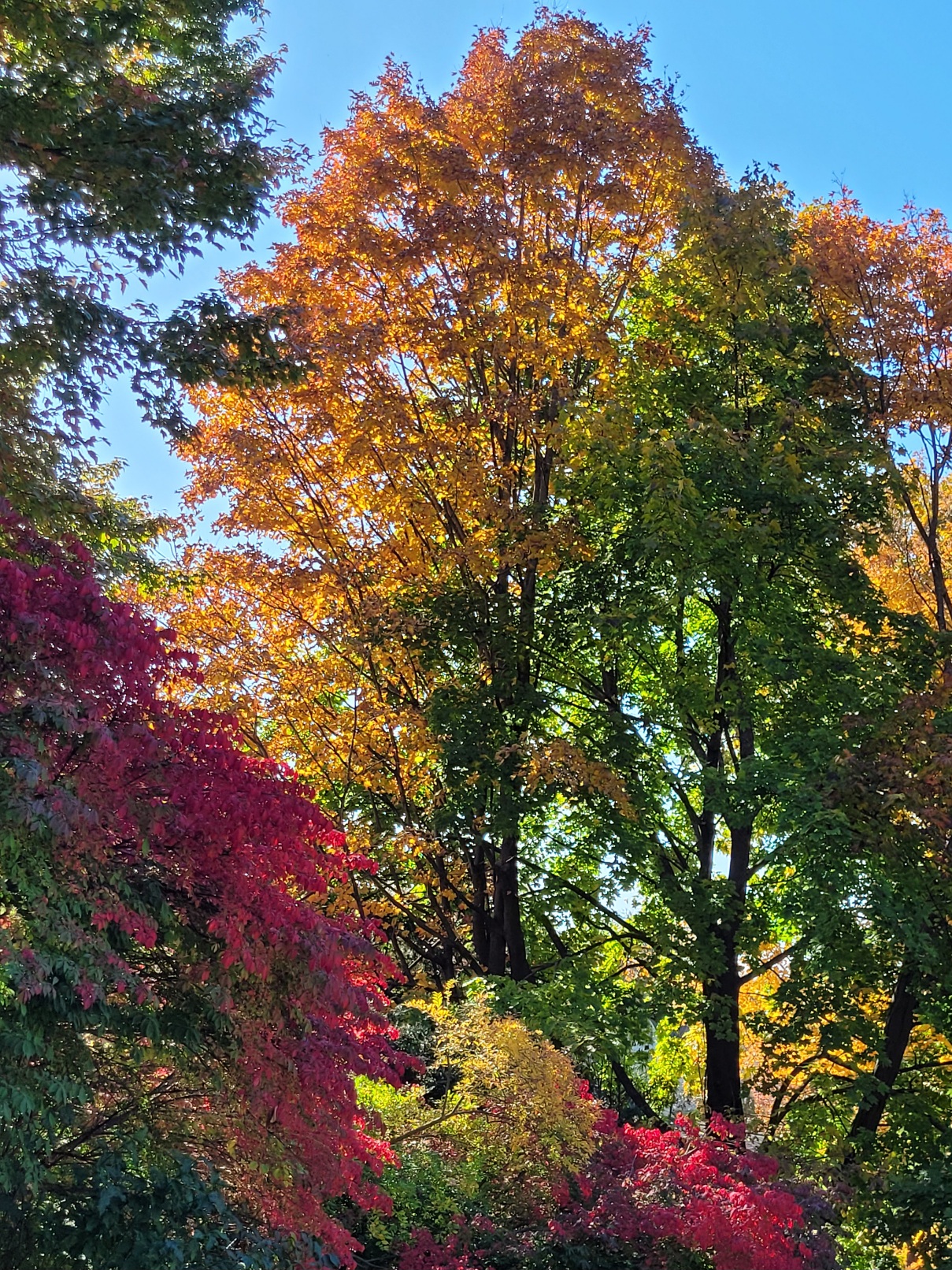
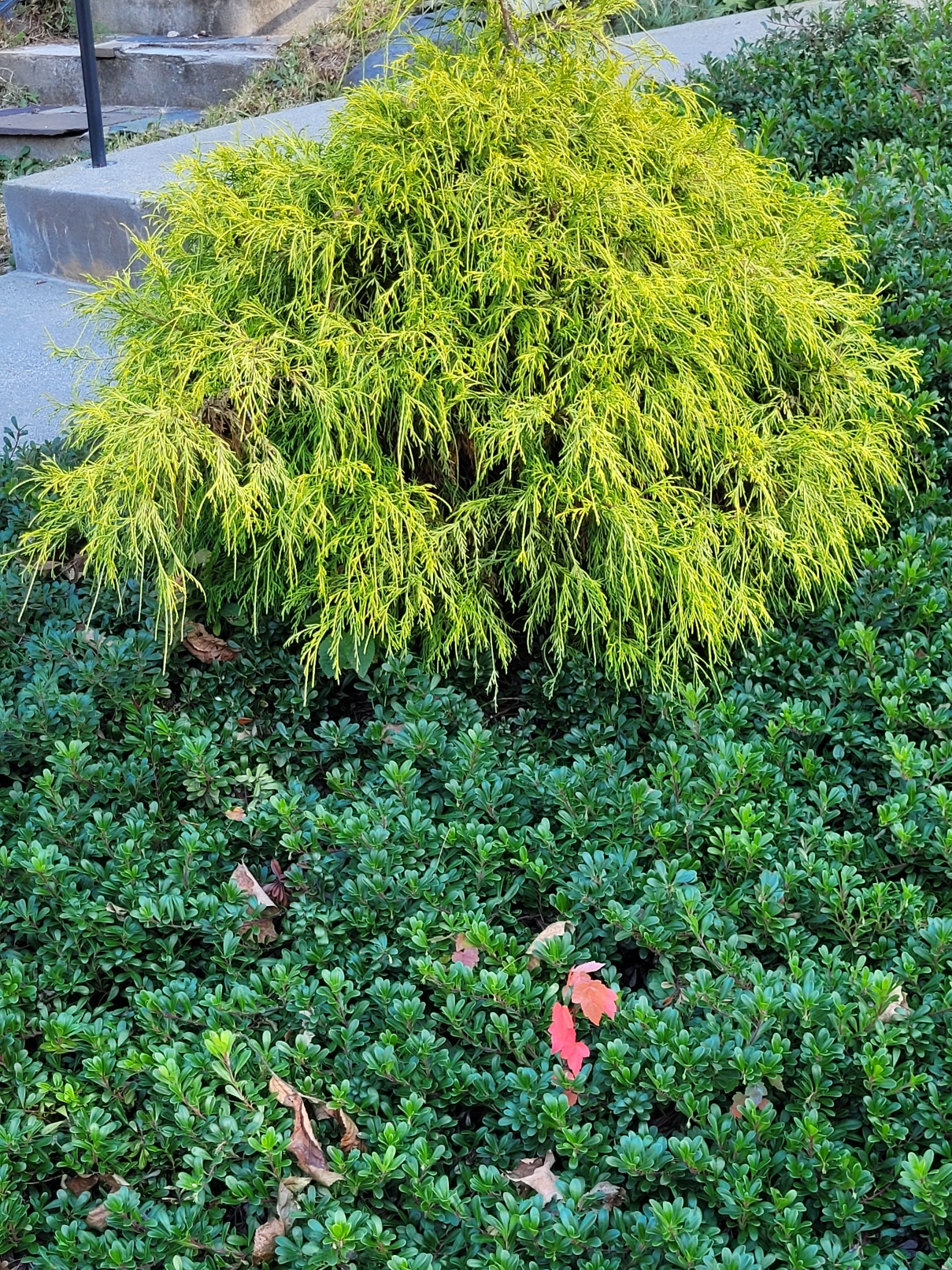
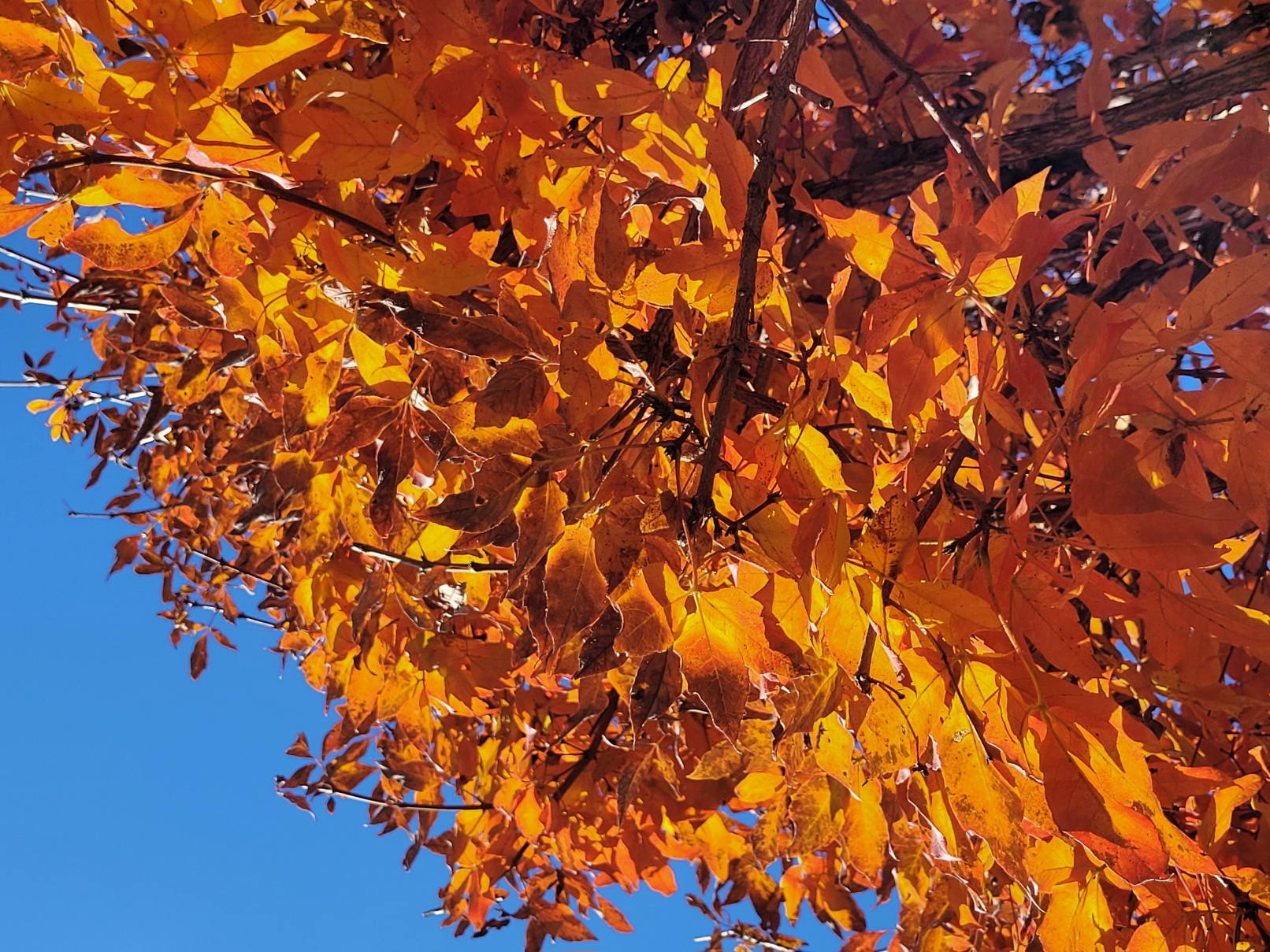
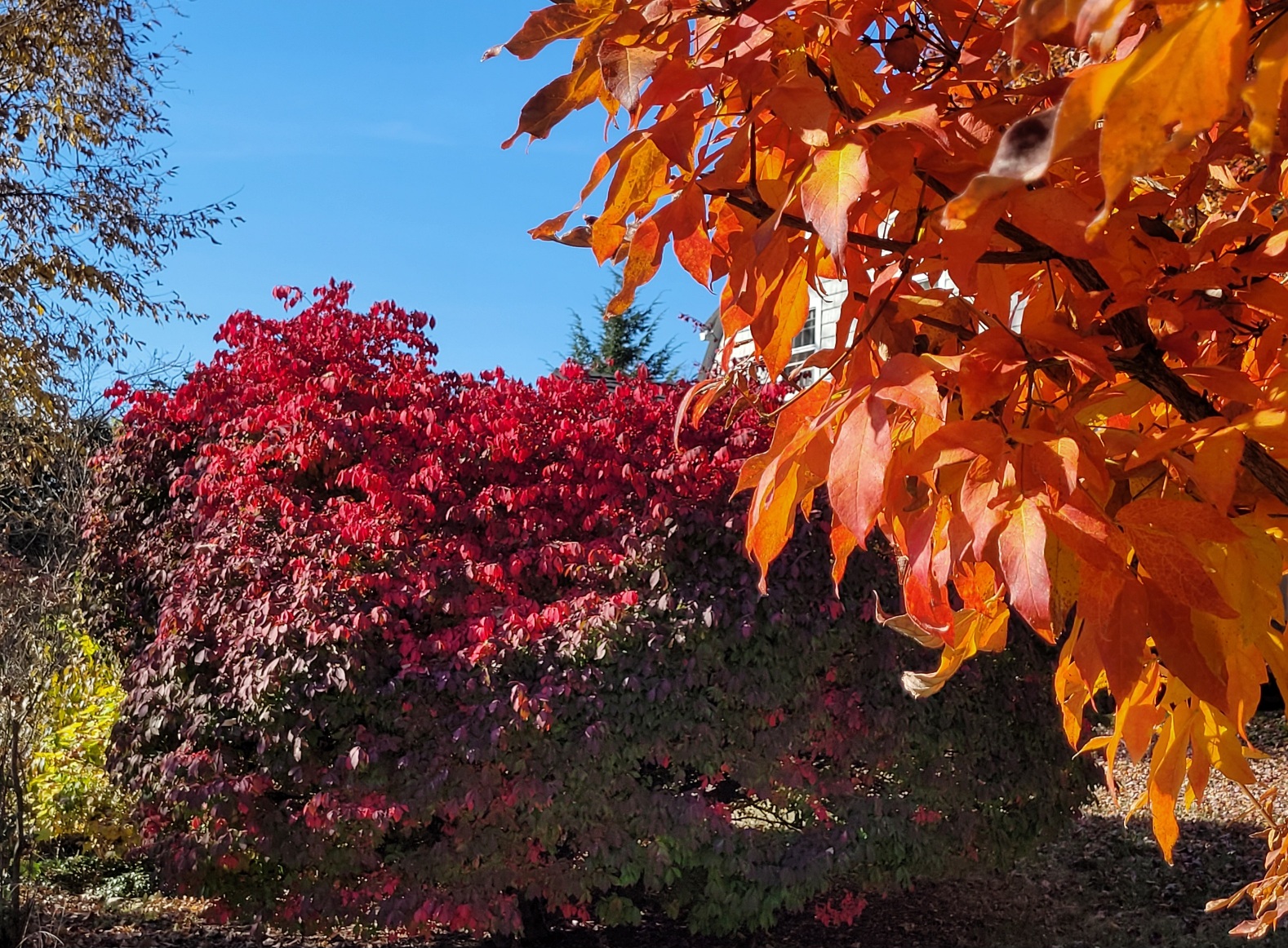
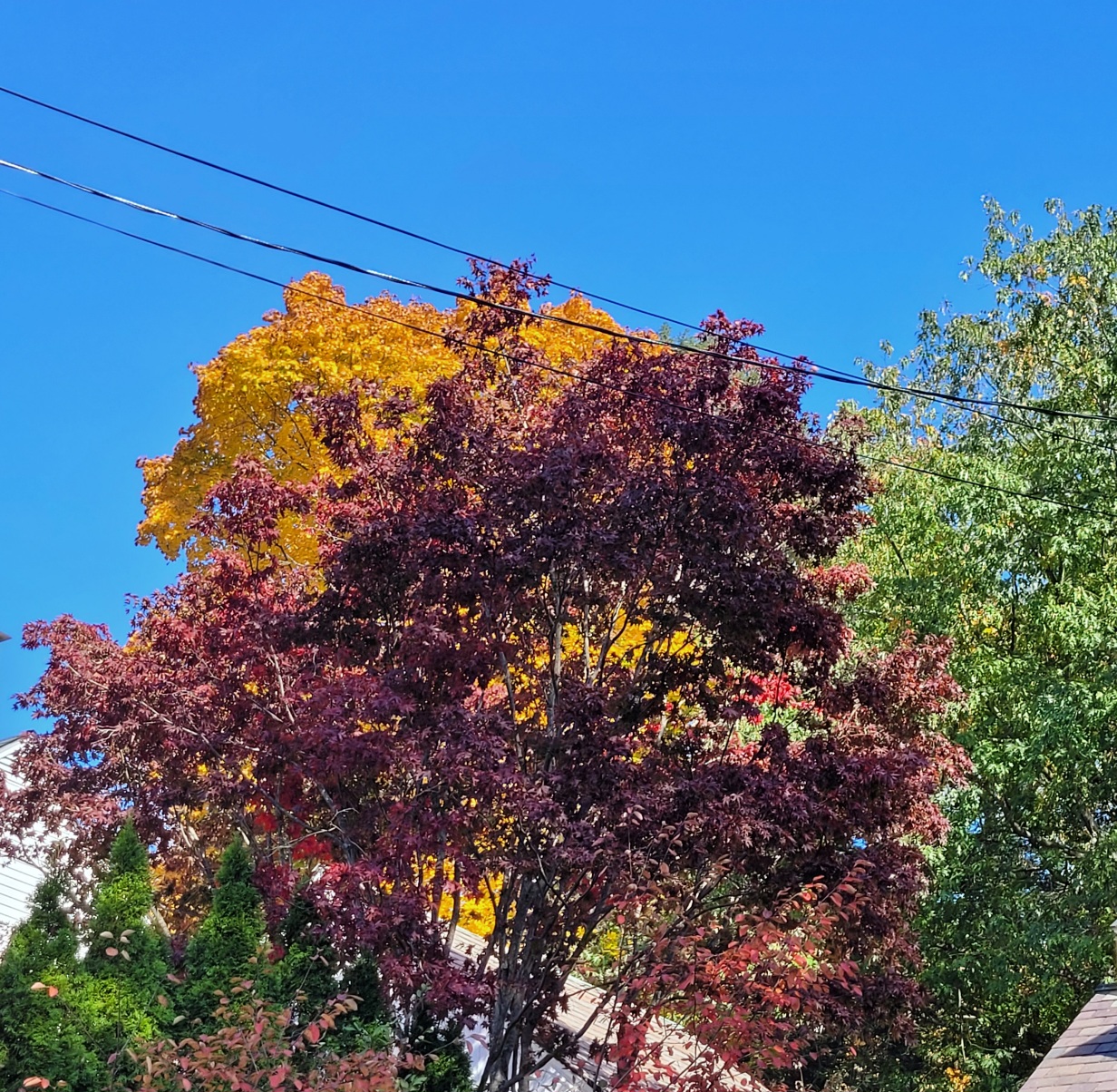
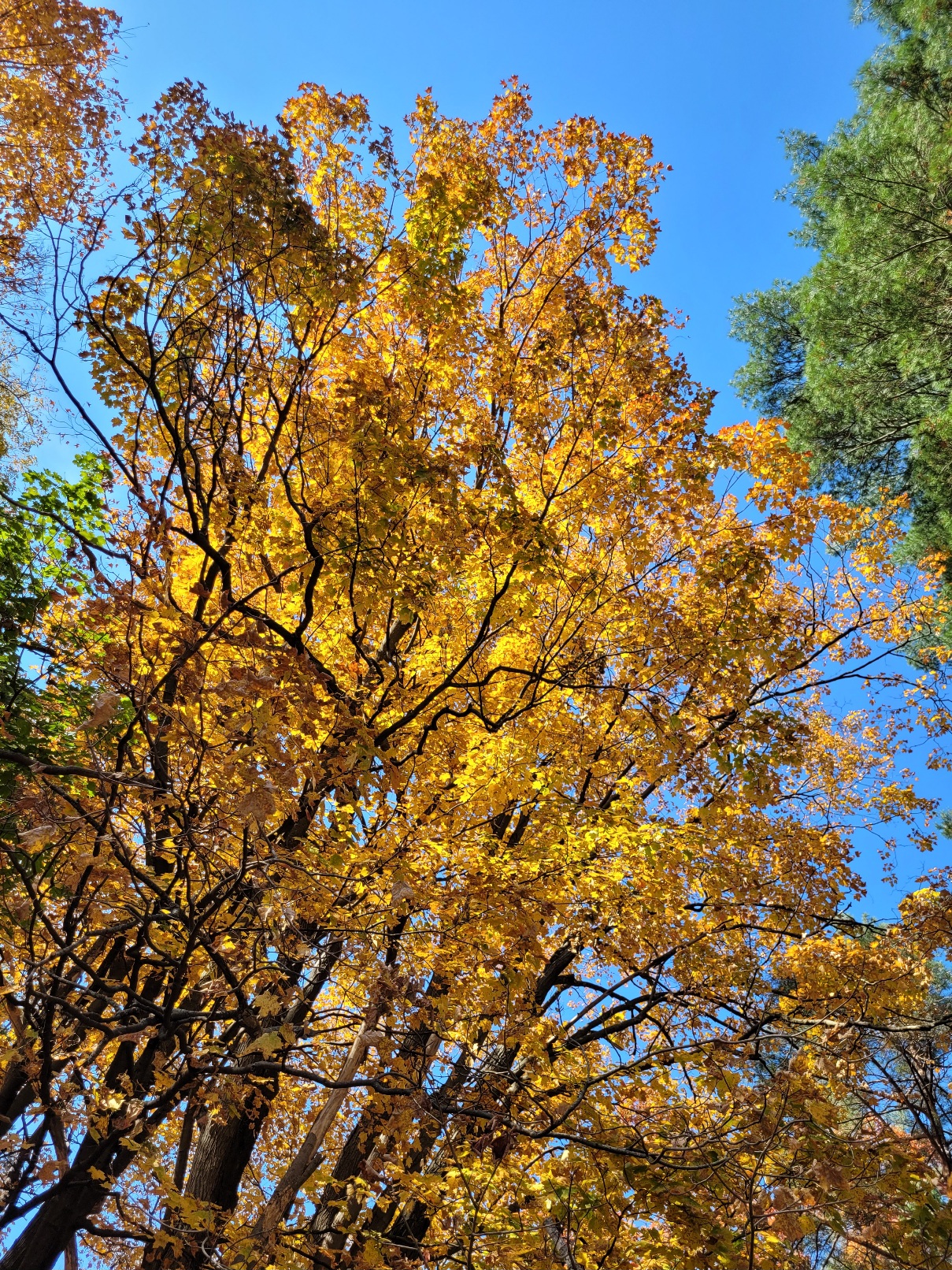
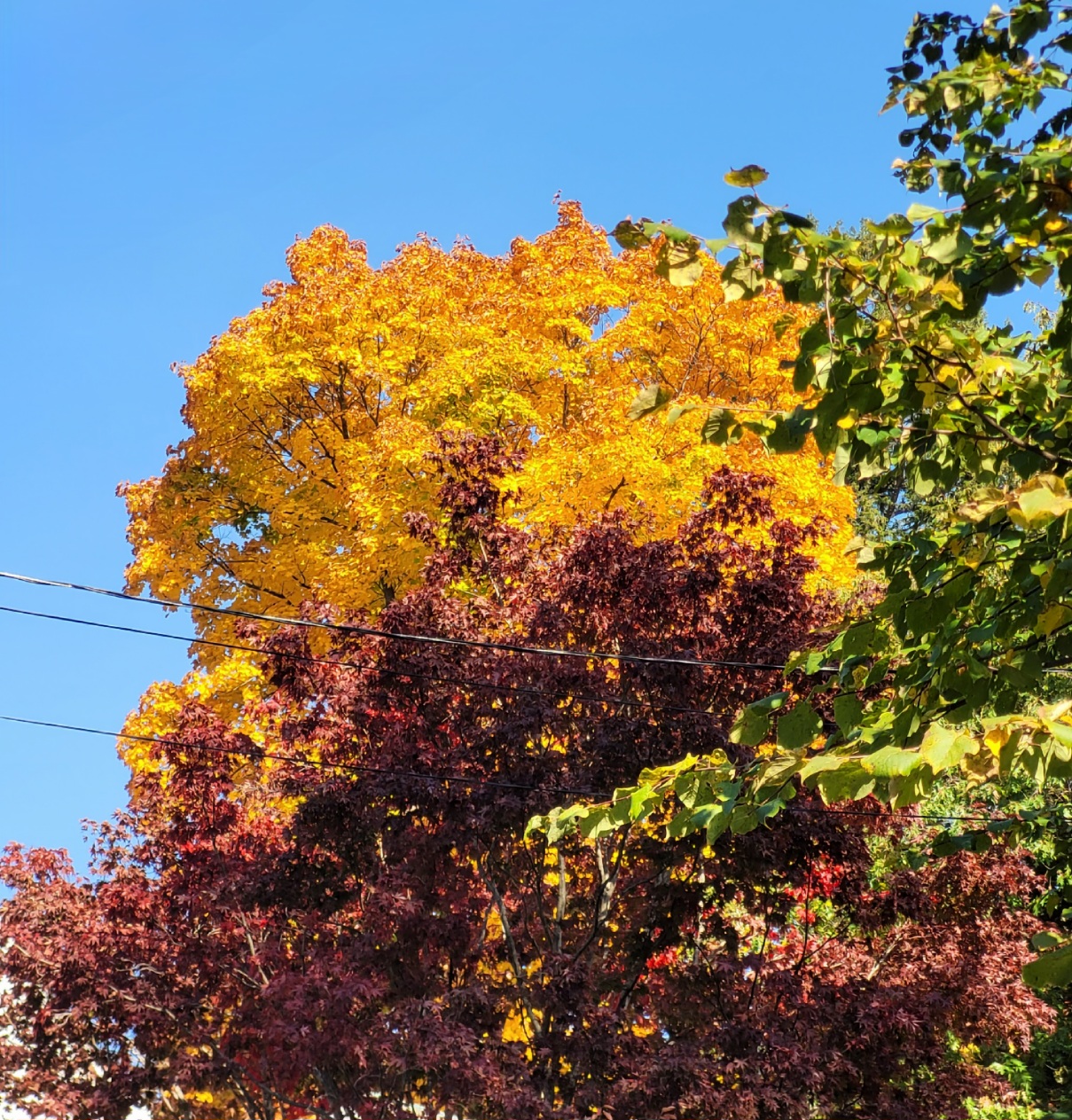
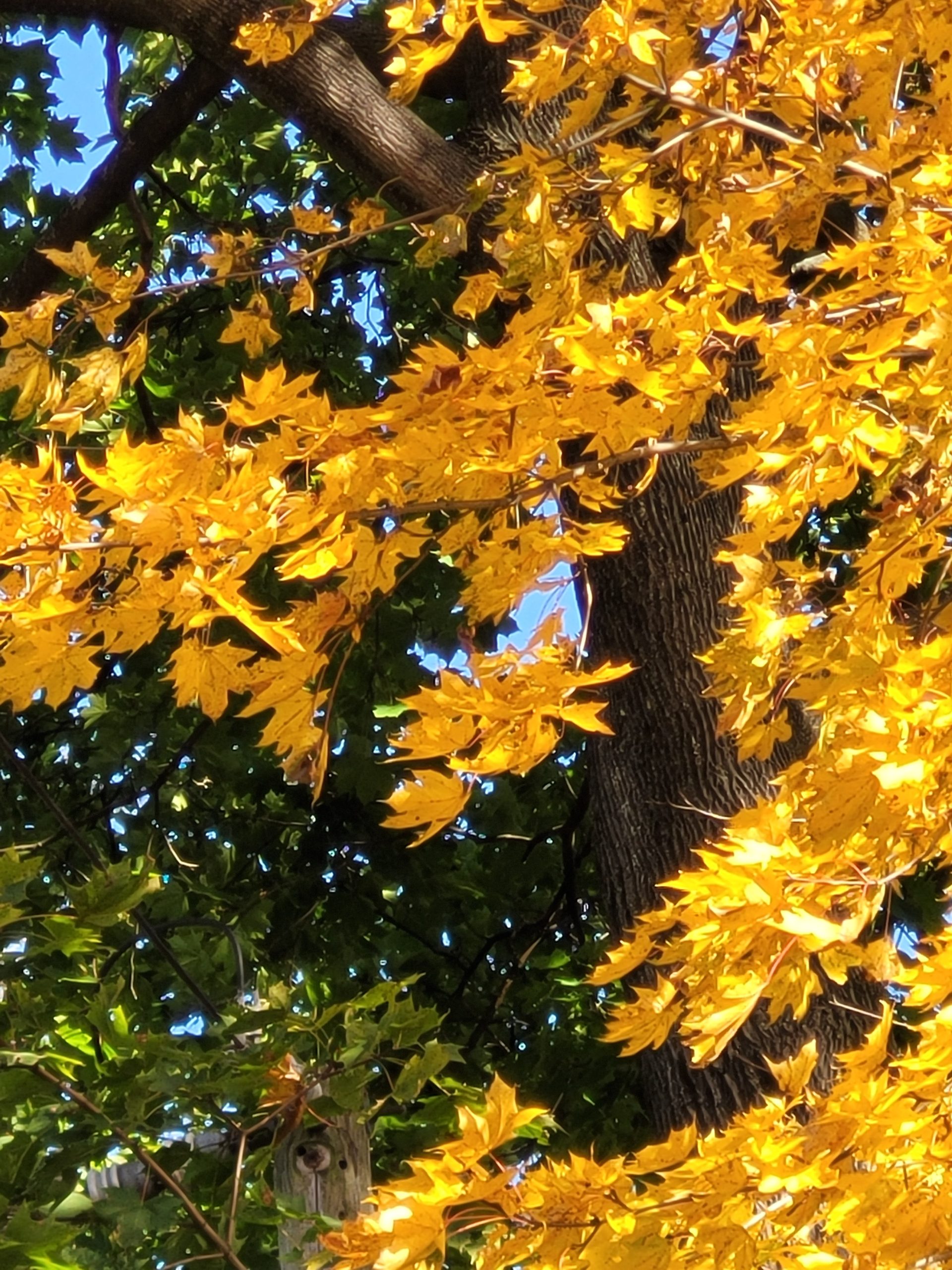
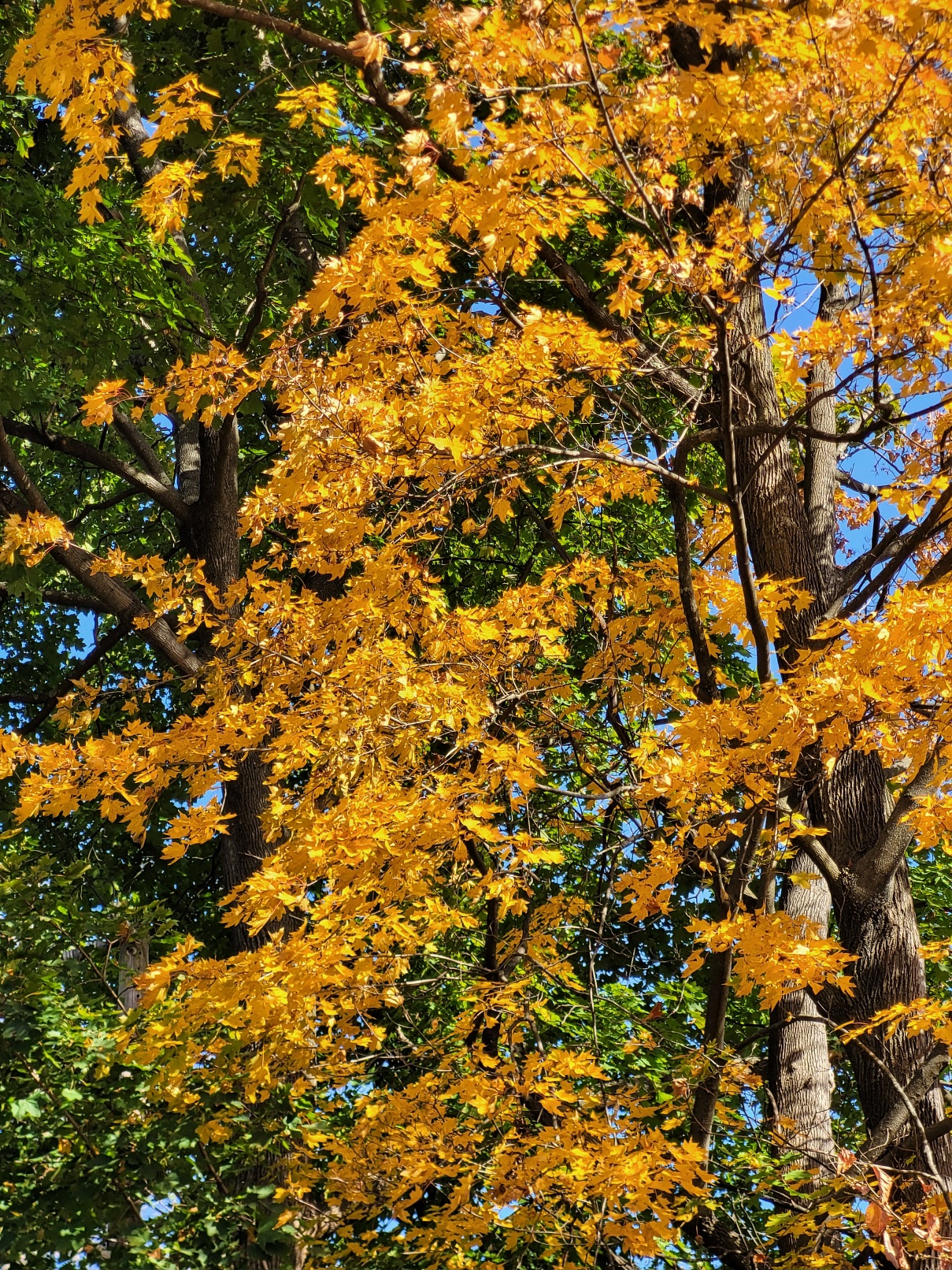
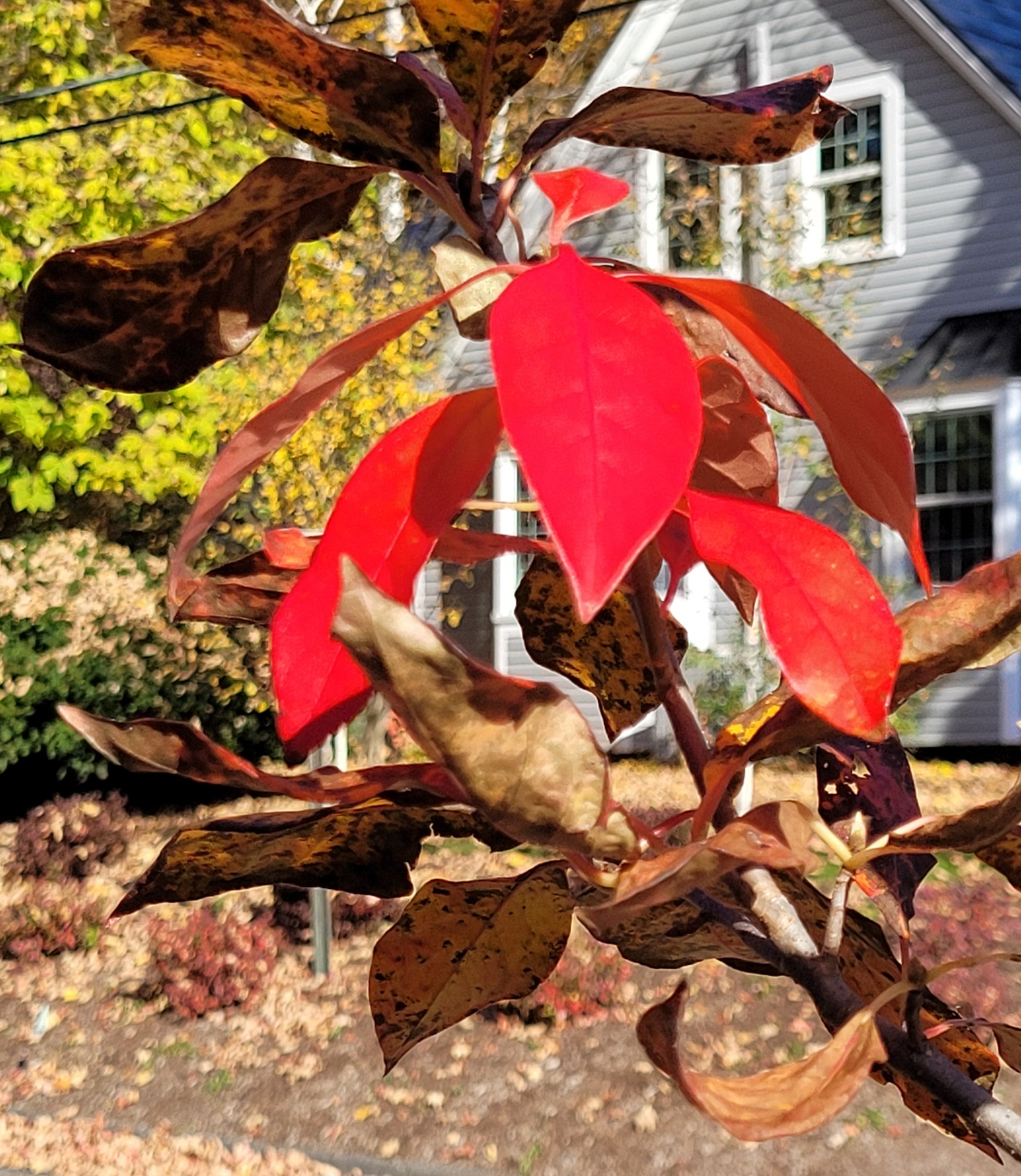
So, here’s today’s crop of images, from a pretty corner of the world that’s now experiencing Autumn.

Note: no filters applied, except for the 1 that’s noted…

Applied a filter to reduce the sun-glare and put the colors back, so you can see what I saw

I absolutely love soaking in the colors here. Thank you for joining me.

Onward and downward

My poor ol’ body has been carrying an unfair load for a long time. It does its very best, but the dice are loaded and, of course, aging intensifies all the problems and reduces all the healing mechanisms that keep it going.

Its experience as a physio-electro-mechanical system constantly in search of homeostasis – that is, a flexibly stable state — is seriously affected by the fact that it’s got these conditions which seem to think that homeostasis is a nice big target to shoot at and instability is fun. Woohoo!

I’m having what I suspect is a barrage of endocrine stuff which, among other things, makes my body’s pain and ability to adapt simply go phut.

CW: graphic descriptions of pain.

The bone pain triggered by walking is off the charts. Now I get one walk per week, it has to be less than 2 miles, I come home and go straight to sleep for 3-4 hours after, and have no attention or stamina the following day; I have to write off that time completely. My muscles and tendons feel like they’re filled with burning shards of glass. My leg bones feel like gelid columns of fire, like stiffened napalm, so that I’m half-afraid they’ll go squish and disintegrate under me, and who knows where that napalm would go if they did.

Honestly, that’s weird.

Activity is good. Moving is the secret of life.

Used to be.

My cycles still help at times. The recumbent trike, while it unloads my lower back beautifully, exacerbates my neck posture, which redounds into headaches for days. It also takes up a huge amount of space (it’s over a meter wide), so I have to stick to the wider paths and not try to use it in winter. However, it gave me back a lot of life last summer and fall. I had no idea what this year had in store for me, or honestly I’d have gotten something cheaper. Less safe, less comfortable (despite the neck thing), less of a joy to ride, because that trike is fantastic of its kind and fits like a glove… below the neck.

The cute retro bicycle? I didn’t sell it (though I probably should). I’ve been able to use it on some good days, but unfortunately I was still right about the road vibration on my spine and arms, and the pressure on my carpal tunnels. But it does fit into narrower spaces.

So, at this point, I have 3 modes of transport which used to work well, but this absolutely relentless business of being chronically ill has nearly, if not quite, taken them away.

Breathe, me. It’s just a problem.

It’s just a problem, and problems are meant to be solved.

I have a rowing machine which is currently my safest option for activity, although it doesn’t get me anywhere. It uses most of the body’s muscles, and I can tell because I can go for 6-8 minutes before I get sick and light-headed and the burning shards turn up. I’ve been trying to go up from 6 minutes without making myself sick, but my body can’t get past the 7.5-minute barrier without the spiculated pain all over and the desperate exhaustion for days. And yes, I incremented very slowly, but it just won’t work.

Weird. I cannot get used to that.

Time was I’d row for 20 minutes at “fit man” level, and go even longer in the water. I wanted to get a sea kayak and use it for transportation; I loved the motion of kayaking and could not imagine a better way to start or end the day. Middle-distance running (3 to 13 miles, depending on how much time I had) was a lot more affordable and accessible, so I did that instead. I was one of those annoying people who really enjoyed running.

I try not to think about that. These kinds of losses are about so much more than “hey, I could do this thing, yay me”; it’s more about how I fit into life and engaged with the world around me, about the tools I had available to help me through the hard times and illuminate the good ones. So much is out of reach.

That’s life.

Breathe, me.

I’ve got more specialist appointments crammed into the next few months than I’ve had in years; possibly ever. The science is a lot further along than it was when I was working as a nurse, thank goodness. The reason why I get heavier when I don’t eat enough is technically understood. The trouble lies in getting people to believe it and trust that I’m telling the truth.

It’s very weird to me to be disbelieved: I’m white, well-educated, have big blue honest eyes, and present info well. Now, as a fat middle-aged woman, apparently I’m inherently much less credible. Obviously, I must be kidding myself (if only!) and comfort eating (if only!) and clearly just being too lazy to work out (if only!)

I have no idea how that works, because you don’t get to middle age with significant illnesses by being stupid or incapable of self-care.

Breathe.

Keep breathing.

Problems are meant to be solved.

I’ve been thinking over solutions to the “how to be able to get things done outside the house” issue. I have partial solutions – all of them depending on others or on problematic systems.

For now, they’ll have to do. I’m glad I’ve got even them, of course. For all the towering cost of agony, uncertainty, and logistics, it beats having none.

Keep breathing.

I have a good home that I love. That’s one huge thing right, an unbearably difficult problem that has definitely been solved. From here, I’ll just have to figure out the rest.


Morning exercise, redux

Flashback

Up until I got the injuries that precipitated CRPS, I used to run about 3.8 miles (about 6.1 km) up and down a redwood canyon most mornings. It was a highlight of the day: watching the light stain the tops of those glorious trees, waking the birds as it went, until the whole forest was filled with the noise of thousands of adorable featherbrains screaming their fool heads off, and the spiraling redwoods were soaked in molten gold.

I sprained my ankles a few times, leaving them with permanent puffy-pads. One time it was a bad sprain (I was pretty sure it was broken, given the huge swelling and rapid bruising) and I had to crawl and hop the last mile-and-a-bit, but I got there in the end because I’m just that kind of bonehead. I drove my stick-shift to the ER because, after all, the foot was still attached and all I had to do was push a little.

…Bonehead. (With, admittedly, an unusually high pain tolerance.)

Got poison oak a few times, until I went back to using poison-oak honey in my tea for the passive immunity.

I was kind of a sucker for a challenge, and I liked figuring things out.

I also liked the boards they had laid across a sandy furlong of the path to keep the sand from getting ploughed too far by the horses. The boards were just tall enough to make me hop them, and I liked pretending I was a horse trotting through a series of in-and-outs as I popped over them one after the other.

Great way to start the day.

And then what happened?

The repetitive stress injuries of long hours with keyboard and mouse, led to a series of wrist surgeries and complications in a couple of years. The CRPS diagnosis took longer.

What with all the roots and stones and the sun being in my eyes for the latter part of the run, I did stumble a lot. Having to catch myself went from being a diversion, to a nuisance, and rather suddenly to a terrifying possibility with crippling results. I dared not land on my wrists, because that could be the end of my career and my ability to support myself.

After recovering from surgery, cardiovascular exercise just caused too much swelling and inflammation — for years. I found that counterintuitive, which means illogical and, for me, extremely frustrating.

Fast forward 24 years

And now, it’s now. The ongoing heat wave (and flash floods) are making my usual afternoon walks impossible. My body refuses to stay vertical when the temp is a stunningly humid 84 degrees F (28.8 C). This body-system and wet-bulb temps just don’t get along.

Meanwhile, my thyroid supplement is starting to take hold. This means that, while I’m not up to normal energy by a long way, I crave exercise like a junkie with healthy tastes.

The only time I can be outside is before 8 am.

It usually takes me until then just to get out of bed, because of dysautonomia.

It’s hard to describe the sensation of challenging your dysautonomia, but if you turn on a powerful electric milk-frother and throw that down your stomach, while putting your head inside a vice and trying to breathe through a sodden sock, as flesh-eating termites devour your limbs… well, you still won’t know what it feels like, but you’ll at least be in the right ballpark.

I have an agreement with my body where it will let me get up early for Really Important Things, like fasting lab draws and airplane trips; I just have to pay for it the rest of the day.

I decided that it’s time to move exercise back into that category and hope it adapts appropriately. This is going to be rough, but the skills I’ve learned might make it work.

The skills

First thing is, No Surprises. I think about getting up and out early, as I’m getting ready for bed the night before. I think about the early hush and the freshness of morning air. I wonder what birds I’ll hear. I look forward to it sincerely.

Next thing is, Lower Barriers & Eliminate Excuses. Water is at my bedside and clothes & shoes get picked out the night before. I don’t want to have to think about doing it, I just want to grease the slide out the door.

Third thing is, Wake And Ground Deliberately. Once my eyes are willing to open, I drink at least half my pint of water and then organize my spine (a series of moves and physical therapy stretches that make my spine feel properly engaged), and then get all the way inside my skin (tapping down the top of my left arm, up the bottom of the left arm, down my side and front, down the front of my left leg, grab my foot until I can really feel it top and bottom, tap up the back of my leg, over my kiester and up my back and side; then, do exactly the same thing on my right side; then, tap up my neck — tapping on alternate sides — and use my fingertips over my face; rub through my scalp to get all the scalp muscles awake and ready to encase my skull today; and nice big sigh to turn over the air in my lungs.)

It sounds rough for CRPS, but I’ve been doing this for a long time and my brain knows what to expect. That’s important.

It also works to apply pain cream instead of tapping. It’s fine to skip over bits that don’t let you touch them. It’s fine to use a very soft touch, or stroke with something soft like a bit of plushy fabric or a feather.

It’s about input for the skin that helps the brain remember and rehearse where your body is in space. This is an important tool for pushing back on CRPS. It literally recaptures parts of your brain that have been turned into pain-sensation, and makes them remember how to do body-sensation instead. Worth pursuing and persisting with.

After this, I check in and, if body says it’s willing to try, I swing my feet onto the floor. I finish my water there, sitting on my bed.

I Check In as I Sit Up, nicely hydrated and with no surprises. If all is well, I get up and check in with my legs. If they’re OK holding me up and flexing, then I climb into clothes and shoes, and head out for my walk.

I planned my walk the night before (“no surprises” really helps the autonomic system to cope!) so there’s nothing to figure out as I grab my phone and keys and head out.

I adjust the distance I’ll go depending on how I feel when Im out. Today, I got wildly nauseous when I was about at half my intended distance. Vomiting tears open my saggital seam, that tough band that forms the middle crease in a 6-pack. (I vomit very hard.) So, I sat down and smoothed down the texture of my thoughts until the nausea passed.

Then I did some t’ai chi and qi gong, focusing on moves that stabilize the autonomic nervous system and ending with a “microcosmic orbit” series I always enjoy. (Let me know if you’d like video of any of that.)

Once my internal system was going better, I bowed out and returned, snapping pretty pictures on the way.

Summary & Conclusions

I’ve gone about the same distance both days, though yesterday’s walk took less time — I didn’t have to sit down. Today’s walk was more up & down. I think I’ll stay on level ground the rest of this week and see how that goes.

I’m now fighting the urge to go to sleep. I fell asleep at 8:30 am yesterday, after getting in from my walk, and slept until 1:30 pm. Waste of a day, IMHO.

Maintaining a diurnal cycle (regular sleep/wake and eating times) is very important for taking care of yourself with dysautonomia. So, now that my thyroid is not completely in the toilet, I’m going back to fighting to keep hold of the day. I want some life back.

To be perfectly frank, I’ve spent most of the last 9 or 10 months just waiting for each day to pass in the hope that another day will be better, and if not, at least I’ll be closer to the right treatment.
Enough is enough.

It’s hard work, but so is life: I’m starting to take back my days. That starts with regular activity, because nothing re-regulates a dysregulated system like regular activity.

And I do love the morning!

My job as a complex chronic patient

My first nursing job was on an HIV unit in 1991. We were in the 2nd wave of the med mixes, so there were some treatment options. We knew which precautions were necessary, and when.

Those precautions had been newly dubbed, “universal precautions”. HIV was the last global pandemic that had a powerful effect on ordinary patient care, legislation, daily activities, travel, everything. The lessons we learned were rolled so thoroughly into our lives that we no longer think about it.

Anecdote from the front lines..

At that time, it was all rather new. Old nurses were afraid to go near any patients on our unit. We had about 80% novice nurses, an unheard-of proportion on a specialty ward in a nationally-ranked hospital in a major city! We had to pay attention, and we had to learn fast.

Because we weren’t abandoned enough already…

Our rather young nursing preceptor had bone cancer in her knee. She went in for surgery as soon as the last of us (me + 1 other) got signed off on training.

But wait, there’s more: as soon as she came out of surgery, she wrote a message insisting they pull the plug on the machines and let her die. Husband supported that, in tears.

Considering how close to hysterical she’d gotten 3 days earlier, when I tried to dig in my heels and tell her I was not ready to practice autonomously and might need more training after her op; and how strenuously this woman — who’d done little but put me down for weeks and express frustration at how slow I was — now insisted I was ready, really ready; and considering how improbable that post-op scenario is, in so many ways… I think she had planned it well in advance. Most expensive euthanasia ever.

Her 2nd-to-last words to me were: “Change your socks. They should be white. Bright colors are not professionally appropriate.” And gave me a fierce look. She came back for a nice goodbye, telling us we were all “good nurses” despite our occasional touches of color (a laugh and a nudge for the main transgressors, me & a fabulous fellow), before she turned and left the unit for the last time.

She’d been working on me about the sock thing for weeks. Slouchy cotton socks in gem-bright colors were still fashionable; drove her crazy.

She was the only one who hated them. The patients, the other nurses, and my immediate supervisor thought my gaudy ankles were delightful. I was referred to as “the one with the socks” and everyone knew. (I also introduced the fanny pack to nursing life. Nobody had heard of it before I showed up with a white, wipe-clean, bleachable one. You’re welcome.)

It’s possible that I got a packet of white socks, as a gesture of respect to that tough young woman… which quickly got grubby-looking, as white socks always do on me, and thus were eliminated from my wardrobe as not being professionally appropriate.

… That was largely irrelevant, but I’ve stopped suppressing my storytelling urge. There are just too many; they leak.

Back to the job of being a complex chronic patient.
It’s surprisingly logical — it just takes a long time to figure it out. I hope this will shorten that course for whoever reads this! There are 3 key principles to follow, and 3 sets of jobs, one for each kind of person involved in each case.
Three key principles

My patients on that ward taught me a lot about how to navigate hard, complex, intransigent illness. There are 3 key principles:

  1. Grandma was right” kinds of things: fresh air, activity, nutrition, sincere friends, learning all you can — they make a huge difference.
  2. Find the light, or life, in the cracks. Doing #1 makes that a lot easier.
  3. Communicate with others in the way they need to be communicated with.

That can be a tricky one, but I’ve got a lot of material on it. Some of it is here on this blog. And one day I’m going to complete and organize that collection of communication tools. (Any day now…)

Three different sets of jobs

It’s important to remember that you can’t do everything. I learned that (and keep re-learning it) the hard way.

There are specific realms of responsibilities which the important people in this situation have:

  • My job.
  • Significant other’s job.
  • Provider’s job.

They’re perfectly straightforward.

My (the patient’s) job

A note on terminology: some object to the word “patient” as dehumanizing. I’ll let you mull over what it means to think of someone who needs care as less than human. I don’t.

I’m sticking with the word “patient” here, because it describes a person who has specific, unavoidable experiences with alterations in their bodies, care providers, and whatever health-care system they have access to.

Complex chronic patients have a depth and breadth of experience with these things that most people simply can’t imagine — and nor should they. We wouldn’t wish this on anyone.

So, as a patient, my job boils down to this…

Take care of myself; take care of my responsibilities; take care of my relationships. All this includes having fun and seizing little joys!

  • Manage my illness. This includes: meds, nutrition, activity, learning about the disease and how to manage it, self-care (whatever that turns out to include, but it always includes pacing: alternating activity and rest.)
  • Track important signs, symptoms, and changes, and document them meaningfully.
  • Share this info with providers and significant others when it makes sense to.
  • Find useful ways to communicate with significant others & care providers about changing needs and abilities.
  • Make all my appointments on time, every time.
  • Contact my Dr for anything I need their support with: changes, meds, treatments, info.
  • Get through the days one at a time. (Thinking of the whole span of my existence is not my job. One day at a time is plenty.)
  • Find life in the cracks: notice the little beauties, regularly do something I enjoy, stop and smell the flowers.
  • Make time for fun and happiness. It makes me so much stronger!
  • Be good to my loved ones, whatever that means and within my limits.
  • Know that I’m the subject matter expert on my body, and hold myself responsible for managing it accordingly.

Significant other’s job

shows images suggesting love, friendship, and work

These two principles can be used by people at work, at home, on the playground, wherever. Very simply, “believe me” and “avoid making this harder, whenever possible”.

Believe me

Nobody — trust me, nobody — can make this stuff up, and there are far too many expensively-educated people working on this for it to be imaginary.

  • If you can’t believe it, then try pretending you do for awhile, just to test the concept, and see how that works.
  • Learn about the disease. There’s good info out there and I, or my doctor, can help you find it.
  • If you’re really important to me, come to an office visit with me and ask the doctor your own questions.

Avoid making this harder

Communicate with me about changing levels of activity and needs. I hate to keep saying how broken I am, so let’s come up with a code to pinpoint the different levels of broken that I could be.

Then, I don’t have to talk about how close I am to puking or crying or passing out, you can know anyway, and we can get on with things appropriately.

That’s what I really want — to be as productive as possible for all the time that I can; to be as good a partner/employee/friend/family member as I can.

Provider’s job

Another note on terminology: I’m old enough to remember when physicians, who were relieved that good schools for PAs, NPs, and APNs were starting to flourish, advocated for the term “provider” as a collective noun, encompassing themselves and the advanced-practice professionals who potentiated their work and multiplied their efforts.

That worm has turned, and now it’s not so popular with physicians.

Please allow this old nurse to use the term with all the respect it originally included, in memory of the brilliant and capable physicians who taught me to use it as the inclusive term of choice.

The provider’s job (as of course you know) is threefold: keeping the larger view, providing appropriate care (of course), and providing info and guidance.

This is sometimes easier said than done, because every time I see you is a rough day. You hold more than the power of life or death over me — you hold the power of tolerability or pure Hell. Thus, it’s natural for me to be a little fragile, possibly overwhelmed, in our conversations.

I do my best to be prepared and “keep it together”. I want to make the best use of our time.

Due to the additional insults of pain and CNS dysfunction, I can be subtly or even grossly impaired when I most need to be responsive, intelligent, and clear.

Given all this, please know that your kindness makes a great difference in my life.

Here is what I hope for, from my providers:

  • Consider context. Notice where I fall in the statistical ranges and how might this affect my care; help me distinguish between reasonable vs. unreasonable efforts, as well as watchable vs. reportable signs/symptoms; steer me through that intersection created by my medical & physiological peculiarities in one axis, and the statistical probabilities generated by reams of studies and years of clinical practice on the axis which crosses it.
  • Prescribe appropriate tests, ancillary care (physical therapy, occupational therapy, speech therapy, and so on), and medications.
  • Respond sensibly and kindly to concerns about meds, therapies, and changes in my illness. (Fragile egg here.)
  • Let me know what I really need to know about my condition, meds, or treatment, before I leave the room (virtual or 3-D), so I neither ignore something important nor over-study and confuse myself. My responsibility to learn benefits from yours to inform me. Also, it helps me to know the right keywords.
  • Be the subject matter expert on the scientific and clinical knowledge-base for the illness I see you for, and be willing to figure out relevant context that my other conditions create.

See this article about just how fabulous an experience it is to have a physician who does all that. It’s such a relief and such a joy. Thank you from the bottom of my vital signs for doing what you do.

All 3 working together = best possible situation

When complex chronic patients can monitor and communicate effectively, prioritizing our care while keeping life in center stage most of the time; when our loved ones can coordinate around our limits, allowing us to be at our best, considering; and when doctors apply their staggering breadth of knowledge to our particular situations with attention; we have a fabulous chance of doing as well as possible.

I like doing as well as possible. I have a lot to give and I want to be able to give it — that said, my care comes first, last, and always; it’s the only way!

Thanks to significant help and support, good friends and loving family, and some real rock-stars on my medical team, I’m well set right now. I’m almost afraid to admit it, because I don’t want to rock the boat…

And here we are

There you have it: the 3 key principles and the 3 main jobs of living/working with complex chronic illness.

I know they are that fundamental, because I’ve had a few providers almost plead with me to come and participate in their patient support groups, specifically so I could talk about it with other patients.

Well, here we are, sharing this information all over the world! Send this article wherever you see fit. I’d love to know what your support groups think about it.

Patients, caregivers, loved ones of complex chronic patients, doctors, P.A.s, A.P.N.s and N.P.s… feel free to comment. This is about all of us, after all.