Tough gift, but a good one

American Thanksgiving is the 4th Thursday in November. I had a gift that day – a difficult one, but I’ve been unwrapping it and wondering ever since.

Wide-eyed kitten staring at a roast chicken on table in front of its face

My phone (which has my i.d. and my bank cards in it, and it provides my only internet access) disappeared on Wednesday evening.

While this is momentous for anyone these days, I have a disease-specific reason for being harrowed by it:

  • I listen to audiobooks to drown out my brain’s ongoing response to the ongoing pain, wonky signaling, and that disconcerting imbalance between what I need and what I have or can get to keep my environment safer for my body. To me, it sounds like screaming; I’ve heard others describe it other ways, as crunchiness or a kind of rattling wobble or other experiences entirely. My sensory processing apparatus decided that it’s a constant, ongoing scream from someone too upset to be the least bit self-conscious. Audiobooks and internet rabbit-holes are fantastic ways to manage this, partly by drowning out the internally-generated sound by the external one that I want to hear, and partly with the power of distraction.
  • Pain, reasonable & irreconcilable anxiety about how I’m going to get through anything from this day to the next chapter in my life, and the occasional neurological crumping (when my cognition shuts down and my coordination goes to hell, so I can’t make ideas or hold things) … all of these are best addressed by comfort and distraction. For me, books and memes and contact with absent friends are all good for that.

For Thanksgiving – when everything is shut aaaaaaaall day – I had none of that.

I just need a moment to process this.

It was a sad day. I couldn’t make or receive any of the usual holiday calls with people I love. I couldn’t go out to eat, and the previous evening I’d had to put back all the holiday food I had in my cart and get only what I could pay for in the cash I had on hand.

I had the sweetest visit from 2 friends (I explained why I had nothing to feed them with) who made it their mission to check on me twice daily until I was en-phoned again, and that helped me get through several hours much better.

Apart from that, I had little to do but hear the screaming, and wonder what I would do next year in a country that has voted for unprecedented chaos that, on the showing so far, is liable to shatter a large part of what makes it possible for me to live. The litany starts off like this: “The level of daily chaos to come is unbearable to think about. Every time I read up on the latest plans or appointments, it gets worse.” Not good for dysautonomia, among other things.

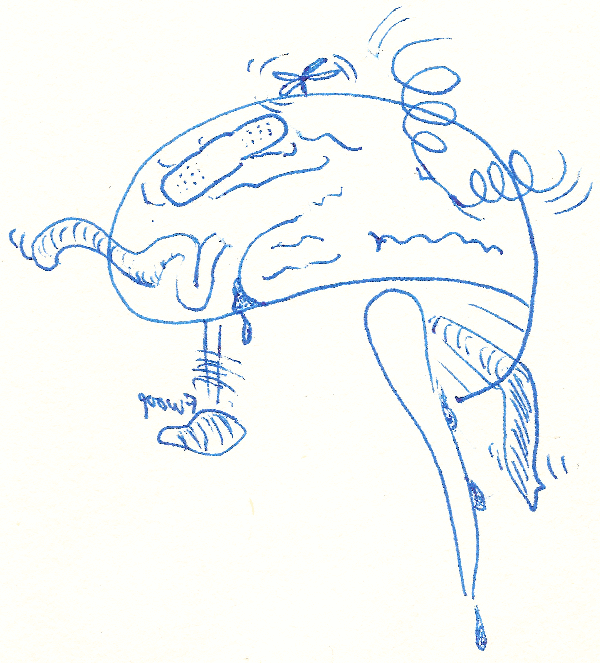
Sketch of brain, with bits falling off and popping out, and a bandaid over the worst

At the end of the day, I began to apply a bit of cognition to this experience (as you do) and realized something important…

The screaming was a whole lot quieter than it used to be; than it was, say, a year ago.

Last year, it was a lot quieter than when I first moved in here, right before the Pandemic. That was a tough time and the screaming was so loud I had to play the audiobooks and dvds at a fairly ridiculous volume to get the benefit. (The neighbor knocked on my wall a couple of times.) That volume might be partly why I now have ongoing tinnitus, a ringing in my ears that’s always at a different pitch and volume from the inward screaming. Clearly, my brain decided not to confuse the two.

Also, I noticed that my mind had actually recovered some ebb and flow!

There were times of day where it was natural to fix things, other times for doing something creative, times to sit and be quiet and times to move around and chat with the cats…

Natural texture and dimension in my mental activity, which the constant audiobooks had smoothed out and neutralized since they came back until that day of enforced quiet.

To the able-bodied and -minded, this is perfectly natural. It didn’t used to be for me. I had 10 or 12 alarms set throughout each day to tell me exactly when to do each kind of activity, because that mental texture had been quite, quite lost.

I got through 2 nights and a day without any alarms. I survived, and I also realized that alarms are jarring.

Who knew??

It turns out that my slowly-healing autonomic system has finally agreed with me that a stable diurnal schedule is a good thing to do, so I wake up within the same half-hour every day, without needing to be kicked awake by a series of 3-4 alarms.

The phone climbed out of its hiding place the next day. (Of course, I had already thoroughly checked there.) I canceled almost all of the alarms, except the one for feeding the cat.

I can make a short list for each day and get through it by riding those mental waves – and being kind if I can’t get them done at the very time that I wish to. It seems that being kind to myself knocks down a number of stress-related barriers.

Horse & woman laughing hysterically

I’m still digesting this new experience of the world. It’ll probably continue evolving over some time to come.

It’s not exactly normal to have such a significant level of recovery when you’re close to pushing 60 and sitting on 25 years of pain-related neurological disruption, including 20 years of dysautonomia.

So yeah, it was a sad day and not an easy one, but what a gift it turned out to contain!

I needed such a gift. My life is about to change drastically, and it’s up to me to work out which path to take through it. None of them are easy, but some could be more rewarding than others.

Can’t wait to see, not only how I’ll screw up, but what I’ll learn from it!

I’m going to try something new, as I navigate this tricky shift in life: asking for input and advice from people outside my head and its rabbit-warrens of associated ideas.

I know, wild idea… and for that reason alone, probably worth trying.


What’s your forward path?

I’ve seen more than the usual amount of material about having hope, lately.

I see why, of course. Many people view hope as an incentive to carry on when things are going badly and they can’t change that.

So, hope serves as a forward path or guiding light, a way to keep going when you’re not sure you’re going to wind up anywhere good.

Speaking as a long-term survivor of a pretty rotten condition, I certainly understand the value of that!

The point, I’d say, is the forward path itself, the guiding light that gives us the idea of having something positive to go for, when the usual ideas and activities don’t work or make things worse.

Hope is one way, but not the only way. Sometimes hope is counterproductive, and if you’re convinced that hope is the only way to keep going, that can be a real downer.

To me, hope is like a pretty lie: I’d like to believe it, but there’s no logical support for the hopeful ideas that, for instance, I could attain full remission and be able to work to support myself again, that the Atlantic circulation will strengthen again and stave off total disaster, or that my country could look forward to a survivably rational government in the new year.

And yet, some people cherish those hopes in themselves, and who am I to persuade them otherwise? Their futures are for them to envision. I’ve got to deal with my own, and that’s plenty!

My own sense of a forward path is something I have a hard time articulating…

It depends partly on the deep sense of history I grew up with, 10,000 years of the ebb and flow of human vanity, decency, terror, greed, and stunning insights.

I’ve read notes and letters from people burying their entire families in the Black Plague… between king and lord of warring states… Spanish merchants discussing trading alliances along the Great Lakes in North America in the mid-1300s, very hush-hush… Gilgamesh and his passionate grief for Enkidu… love songs from every age and between every gender… desperate missives from ancient Romans fleeing the fall of their government to families who never answered them, or told them there simply wasn’t enough to go around and still keep everyone else in their accustomed style and comfort.

Whatever we suffer, we are not alone in it. We are one more part of a very long course of events, and every problem has been faced before. It’s up to us to find the best solution for this particular version at this moment in time – and we have this great depth of information about how it has been faced before.

We are never alone in our terror, betrayal, or pain. Somehow, that helps me.

Another part is that – another lesson from history – there is a future worth having, if you can stay alive long enough and do what it takes to increase your odds.

This alone has gotten me through some things that should have been terminal: I had to see what the future worth getting to would be. So far, it’s been a fantastic outcome, relatively speaking. Well worth getting to!

The last thing, which is the hardest to explain although it’s the easiest to notice, is my stubborn idea that it’s my job to hew my best and truest path through this life – do my best while being honest about my capacity, be guided by my humane ethos, keep the long view, and don’t let the misery of my circumstances decide how I’m going to face them. That job belongs to my will. It has had a lot of practice.

Sounds really noble or something. It sure doesn’t feel noble! It feels messy and rebellious and defiant, most of the time. It requires me to disrupt expectations about how women, who are middle-aged women, who are white middle-aged women, who are white middle-aged women who originated from upper-middle social strata and good education… should behave. In short, people who are supposed to have options and protections and resources that I haven’t even been able to dream of for a very long time.

That’s what I felt I should have been. It’s a useless “should”, but a gluey one.

For all that I’m pretty cheerful (especially with the morning sun on my face, like now), I don’t have much truck with “hope”, because it feels like placing too much weight in an imaginary basket. I can bank on my diligence, curiosity, and determination, though. They aren’t imaginary at all; this blog reminds me of that.

I think that every one of us has to find the forward path or guiding thought that works for us individually in our own ways.

We’ve each got to play to our own strengths, and do our best to keep the deep-dyed “should” phrases in their place.

Sometimes hope is just another “should”, and it’s okay to set it aside for other motivators. You’re still whole without it.

Maybe it helps to know that the Darwinian statement, “survival of the fittest,” does not mean those who have the strongest minds or the healthiest bodies – despite the narrow libertarian/right-wingy assumptions and the hunter-gatherer-based ideas of cost/benefit.

It means “those most able to adapt to fit the new environment” and that, dear reader, means us: the disabled and neurodivergent are the OG adapters to strange environments, the fittest to figure out how to handle the increasingly worrying future.

One way or another, this era in history – with its uncertainties, intensity, and rising waves of change – is ours. Like it or not.

Collectively, we can do this. Individually, as ever, it’s an open question – but let’s find out.

I’m curious how this will go…


Defining my terms: burny brain

Current science states that there are no nerves that convey temperature or pain in the brain.

Well, not a normal brain.

Well… not as far as we know.

Since I’m terribly clear about the fact that my sensory experience of life has been extensively revised over the past quarter century of constant and increasingly centralized (that is, brain- and spine-driven) neurogenic pain, I’m going to sail sweetly right over that assumption and get on with today’s topic.

We live in the messy and extensive reality of the world outside of labs, scientific studies, and academic debates. Don’t worry about them – they’ll catch up eventually, usually in about 10-30 years.

Brain inflammation

Brain inflammation is one of those topics which patients and wholistic or ancillary professionals have been working with & evolving strategies for for years, but many clinical practitioners have trouble working out how it applies in real life, let alone how to work with it given current techniques.

Practical point:

This is not a dis of those practitioners, it reflects their environment of practice. Their training – and liability insurance coverage – focuses on what has been proven through multiple double-blind placebo-controlled studies, preferably on thousands of patients. Those take time, funding, lots of patients (which rare diseases don’t provide anyway), and a crucial position away from interfering with vested interests.

This is why clinical practice lags 10-30 years behind practical patient experience.

Where were we? Oh – brain inflammation.

One of my dear friends has been working specifically on chronic longstanding brain Inflammation, and it’s been validating as heck to see someone so smart, disciplined, and articulate work through that. Burny brain is, in my case, a sign of acute flare-ups, and talking the concepts over has helped me articulate my own situation.

And then there was Election Day and this lifelong historian & longtime spoonie saw my future get thrown on the flames.

NB: I don’t believe ideology or labeling, I believe that past performance is a good indicator of future behavior and, more importantly, that a written plan is a big fat clue about what to expect – and it’s not good for someone in my position.

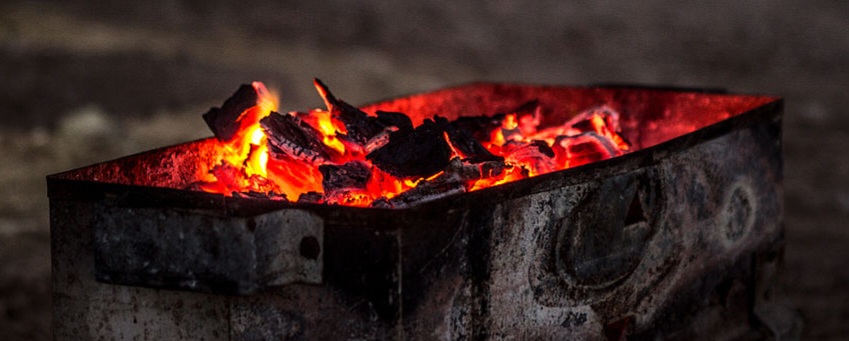
After days of feeling staggered, my brain caught fire.

Inflamed brain, level 1

When a series of events, or one overwhelming and life-altering event, land in my life and awareness, my brain takes a few days to go into full bonfire mode. But it does:

Managing that

I depend on my well-established habits around self care and communication to mask my real state and continue to function, but it’s not reliable.

I crank up my vitamins, especially B complex, and do what it takes to get enough protein in. This is tricky, because eating is hard work and few things taste ok.

Keeping a stable schedule is important, to avoid feeding into the general autonomic instability.

Stabilize, stabilize, stabilize.

Since I lose track of time constantly in this state, I have to double-check whether I’ve taken my meds on time, and they’re one of the most important ways of stabilizing that there are.

If I had a bathtub, I’d take baths with vitamin C (20 min very warm; lie down on the C-powder as the bath fills) and then Epsom salt (20 min not so warm) then take naps – a fantastic 1-2-3 recovery technique that I really miss having access to. I recommend it highly.

Level 2

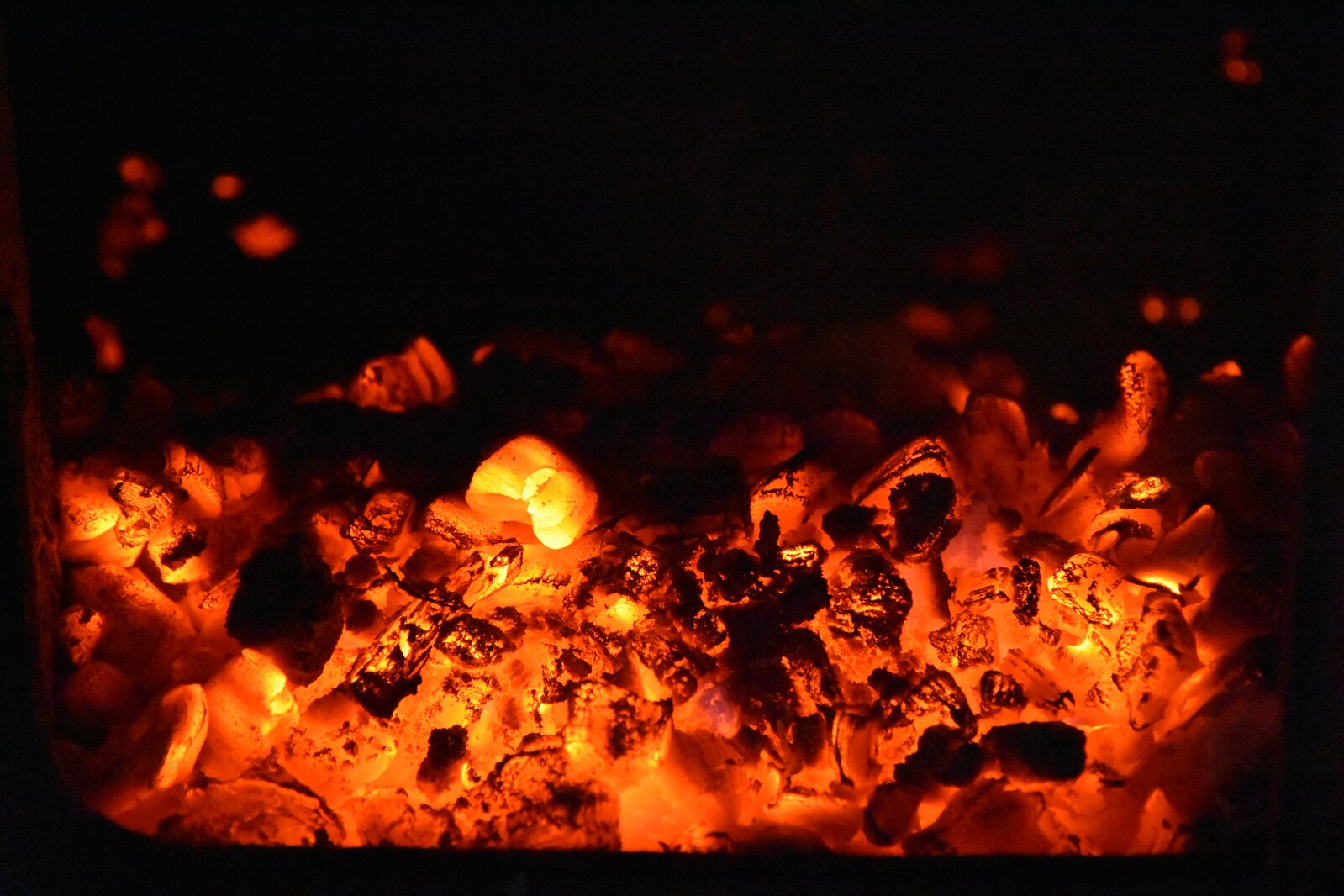
Once the flames get lower and my brain feels more like heavy coals, I know I’m making progress, although it doesn’t feel great:

This feeling of roaring combustion comes with big, fragile feelings. I limit contact and focus hard on noticing when & how I’m functioning, and grab tasks off the to-do list that relate to that.

So, laundry was a significant part of my weekend: no brain required, little physical effort, quick reward, and a huge improvement in my life. Now I’m  dressing off the clean laundry pile rather than my drawers & closet, because I can’t focus on folding & putting away, but that’s okay.

More veg today, partly because I was finally hungry for them, and also because protein was too difficult.

All the olive oil all the time.

Level 3

This is how my brain feels today, more or less:

Honestly, this still sucks beyond belief, but it is improvement and improvement is good. I could eat in portions larger than half-cups and palmfuls, finally.

Today, I wanted to make some calls about getting something fixed, but that wasn’t possible – I kept going blank and stumbling into furniture when I tried (burny brain comes with worse coordination).

Instead, I went and got a ball of yarn to finish a project, which felt good and freed up more focus; with that, I dropped in at the law library and learned how best to approach an issue and then did some online research with that in mind. Now, when I do make those calls that i couldnt make today, I’m actually going to be much better prepared. Still not possible, but it will be at some point.

I wanted to make progress on another administrative task (paperwork, urgh) but my friend has taught us that, even though the clock keeps ticking, when the inflamed brain says “no”, it’s useless to argue. Let it go and rest that brain.

So I put on a movie. Then a dear old friend called out of the blue and we enjoyed reconnecting. Very good for the brain!

Level 4

With any luck, tomorrow my brain will feel more like this, still raw and hot, but somewhat contained, and with more cool spots:

Unless something else happens to shake my foundations. You never know. But still, I hope for continued improvement!

If you’re having trouble understanding brain inflammation as a physiological thing, write a query in the comments and I’ll explain…

Later <grin>


New pain doc & big insights

I’m profoundly curious. (Take that however you want, LOL)

When I was an inch from dying, around 12-14 years ago, when there was nothing left of anything I thought made up my life… I found, down there at the bottom of everything that had been, this relentless creature who had to know how the story would go. I could not allow death to overtake me because I’d never know. So I lived – on pure willpower for a while, but then things started to change and get better & better.

This came up in my Pain Psychology appointment today, following on from the “new pain doc” appointment I’d had the day before. I’ve had 4 pain specialists in 9 years, and (thanks to extended litigation) around 19 in the past 20. Since much more than my life depends on my pain docs, and I have no control over the situation, this is harrowing, every single time.

My medical PTSD is a main focus of my pain psychology treatment, which is how this came up for discussion.

My curiosity is clearly more fundamental than my reflexes and primal needs, so, “Let’s figure out how to use it to interrupt some primally-driven anxieties.” Today’s quote from Kylie Steinhilber, PhD, my pain psychologist. From this, we discussed 2 further insights:

  • Being inquisitive is about holding an empty mind/heart in the present: pure now, with an open eye to the unknown future.
  • Trauma responses are about having emotional context and re-experiencing that history, thinking (“knowing”) it will go this way or that way based on what’s happened before.

I’ve never realized that quite so clearly.

If this had been a rough “new pain doc” visit, I could go to the open & curious state of, “so that’s what’s here/now. I wonder where it will go?” – instead of falling into the misery and grim anxiety of “knowing” what it will be like based on prior experience.

Note to self:

BE CURIOUS about where the story will go! That is rational, even though it doesn’t come with a plan.

Prior experience matters, but it’s a lot better for me to stay open and inquisitive and be with what’s going on now. More options, less antipathy between us, and that opens up communication – which improves outcomes, even in a crap situation.

Serendipity was my brain’s home base pre-injury, & it likely still is. It’s OK to go there and hang on when things get uncertain.

I’m in the 20% of humans who thrive through a serendipitous approach, although it drives more linear people (the 80%) up a tree, because it looks crazy to them & sometimes makes them want to reach for a net – or a straight-jacket.

When I use their (the 80%’s) linear approach (which I’m technically good at; mad skillz), the best I can do is mediocrity, if that. It doesn’t work well, no matter how careful the planning and research I put into it. Makes no sense, but that’s how it goes.

Chaos and WTFery are going to find me. I’m one of those people that things happen to. No, that’s not logical, but accepting it is rational. Interesting distinction between logic and reason there.

I see my mental job as learning – over & over – how to ride the metaphorical wild horses, not keep trying to dodge their flinty hooves as they run over my well-plotted garden.

20% of humans are like this. We’re not alone, just unusual.

Note to self:

I CAN TRUST MYSELF to know how to go and when to stop. Truly.

Cf. my “15% overdo recovery time” note in my personal pain rating scale. I really do know what it means to overdo by 15%, and why it’s harder to recover from than 10%. *That’s* evidence of a high level of insight & self-management. I can perceive it accurately when I loosen my grip on “tha Plan” and listen to myself.

I said to myself, “Self…

“LET the inner story that ‘everything will go wrong’ BE WRONG.”

Some moments suck anyway, but they pass a whole lot faster when I stay curious and open and let things go differently than expected.

All that said… I am simply over the moon with delight that this “new pain doc” visit was such a good one and that I feel safe at last in that part of the system! That frees up a ton of energy, now and ongoing. The relief is stupendous.

The resident (training) physician remarked, unprompted and naturally, “After all, you are the expert in your own body.”

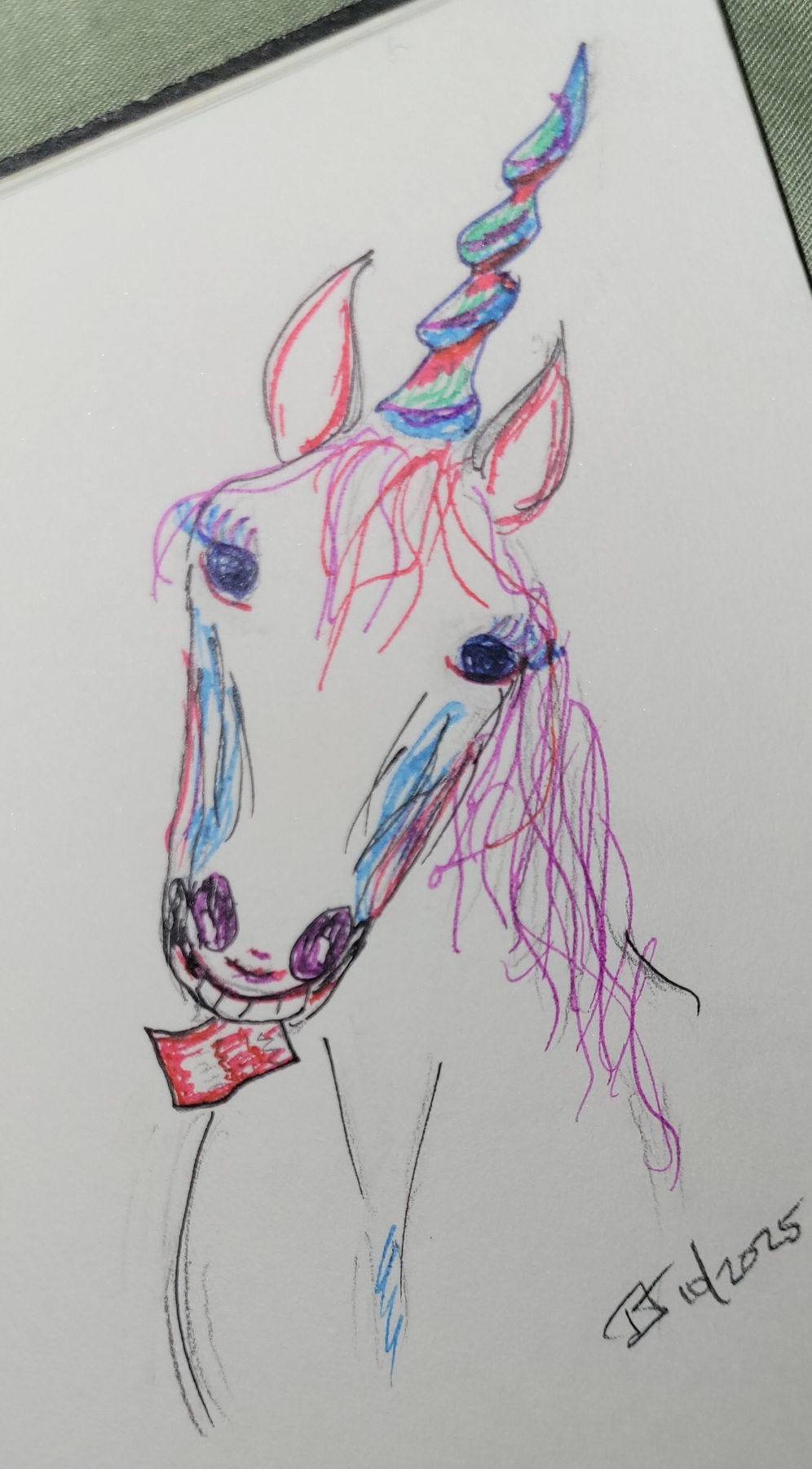
Hearing that from a doctor is a show-stopper. As one friend & compatriot said, “I’d be less surprised if a unicorn came to your door and told you you’d won the lottery.”

It feels a bit like that..

First aid at the roadside

[Follow this link for the audio version: https://www.spreaker.com/episode/2024-09-07-1staidatroadside–61297573]

I headed to psychotherapy after texting, “I’m on my way. I’ll see you in person today, barring the unexpected”

I was feeling a bit cautious, because a couple hours before, the thought had come to me, “when things get hectic, trust your training.”

What training? Was I about to have a series of intrusive thoughts harking back to the times I’ve had to file restraining orders, one of which magically disappeared and I had to flee the area – right before Christmas? I hoped not. Martial arts training has certainly come in handy, but come on…

No, no intrusive thoughts, but I did wonder which set of training I should have in mind.

A few miles down the interstate, I saw a pickup truck stopped dead, and a sedan facing it.

People were only just getting out of the truck. I put my flashers on and pulled in behind.

I definitely trust my training in this kind of situation. I put my anxiety to one side and sailed in.

The only person to worry about was a littlie in the back of the sedan. Had spontaneous pulse – a good one – and respirations. He could speak, to the limit of saying, “I want my Mommy” (sound of heart-strings tearing), so I checked his spine at his neck. It was there, but not quite right. Once he could speak more, he told me his neck hurt where I touched it (I’d been holding his head & neck stable since I felt it). As I told the fire department medic later, “on me, it’d be a chiropractic adjustment. On a littlie that age, I’m not sure.” He nodded and sent his buddy in with a pediatric cervical collar.

Littlie’s mother was on the phone the whole time with him. So much love swirling around in that car. I told the Dad that I noticed it, and that it’s healing.

At each stage – or rather, just before the next round of excitement – I explained to Littlie that there would be more people, highly trained people who really cared about him being okay. Let him know roughly what to expect at each stage. Coached him to go along with things as well as he could. When the fireman asked him to squeeze his finger, he squeezed my hand instead (sound of heart melting).

I could see most of my words going over his head (as expected), but I could also see the sense of reason and structure calming his exhausted and shocky brain so he could tune in a little more.

I grew up in a musical household, so naturally I hummed pretty little made-up tunes and it visibly calmed him – and possibly his parents too, a little.

I’ve been working on learning how to stabilize a shocky system for 25 years, on top of my trauma nursing work. I’m only a patient – and a nerd – but still, I have lots of good training. I trusted my training in that, too.

I gave his mother my number right before the fire department and EMTs rolled up. I think it was a training day, because there were 7 or 8 more people there, one of them a cheerful charming know-it-all (every team needs one of those) who got the best responses out of Littlie.

I let the kid know I had to go but his Mommy would stay on the phone with him and he’d be cared for by these really nice people. Told his Mom I loved her kid and he was terrific (sound of heart-strings pulling).

Once his c-collar was on (definitely a training day; I helped get it positioned and sealed correctly in the end) and they had the gurney ready, I realized I had to stand up. After perching my crippled butt by one hip on a steel door frame for half an hour. In front of people. Specifically, a total of 9 or 10 fit, athletic slabs of beef (-cake) no less than 10 years younger than me, and most of them half my age.

This was not going to be great for the ego, but I knew I could get a laugh out of it.

So I used both arms and every available leg (which was slightly less than 2) to lever myself upward, saying, “I’m an *oooold* trauma nurse” by way of cover, and squirmed through the kindly, protective testosteronic press and into fresh air.

I signed off with everybody and retreated to my comfy car.

I called my psychotherapist and said, “Remember what I said about ‘barring the unexpected?’…”

We had a phone session once I was safely off on a side street and in a proper parking space. She was full of commentary about how I applied those psych skills and met psychosocial and informational needs appropriately, as well as the nursey stuff. So yeah, that was good…

… because my brain was churning constantly about every single moment and thought and decision for an entire hour. Looking for a fault. Looking for something I’d missed or where my training had lapsed or been forgotten. Cycling through, over and over, looking for any lapse.

This used to be how I improved my skills – look for errors, even tiny ones, and figure out how to prevent or avoid them in future. Now, it’s just my ADHD brain torturing me.

And computer says Nope. Failed to suck. I’m pretty sure I failed to suck. That’s a relief.

I’ve been thinking about it pretty much nonstop, but rather than worrying myself woolly, I got an organizing thing for my car and picked up some food. Both of these are calming, grounding things, perfect for pulling my adrenaline out of the stratosphere.

Then I crawled home and had fresh corn and gluten-free carrot cake for dinner. It’s good to have a little sweetness when your body is still convinced the world is full of excoriation.

I’ve had no calls from them and I don’t expect one. They’ve got to be absolutely wrung out regardless of how things went. The kid comes first, and then comes their own care and self-management.

They don’t have to think of me ever again: I know how shocking and painful it could be to revisit the moment.

I’d love to know. I hope like crazy that the kid came out of it OK. I never got to follow up with patients when I was a nurse (because confidentiality), and I’d sure appreciate it if this family wanted to give me a heads-up just to soothe that old itch.

All that being said, I want all you non-nurses to know that they don’t owe me one word of contact or one moment of concern. I was in the right place at the right time with the right training, and I trusted my training. That’s what we do.

They have the hard part: figuring out next steps with a shook-up and possibly injured Littlie who was going home early because he was already ill.

That kid was having a rotten day.

I sure hope it got better.

Forestalling future problems

I don’t have a jump-kit for my car. That could be a problem in the future. I was lucky this time because all I needed was my brain, arms, hands, and voice.

It’s probably the 6th or 7th accident I’ve stopped at and I really do know what’s needed at the roadside – and it isn’t much. I used to get confused by the fact that I didn’t have a stethoscope, oxygen on tap, i.v. gear, and All Tha Meds. Once I’m on scene, though, it gets very easy.

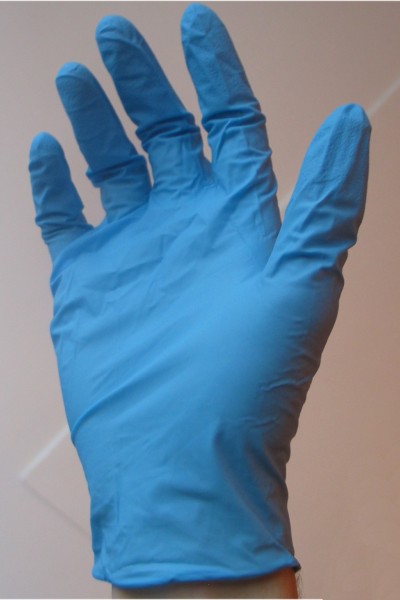
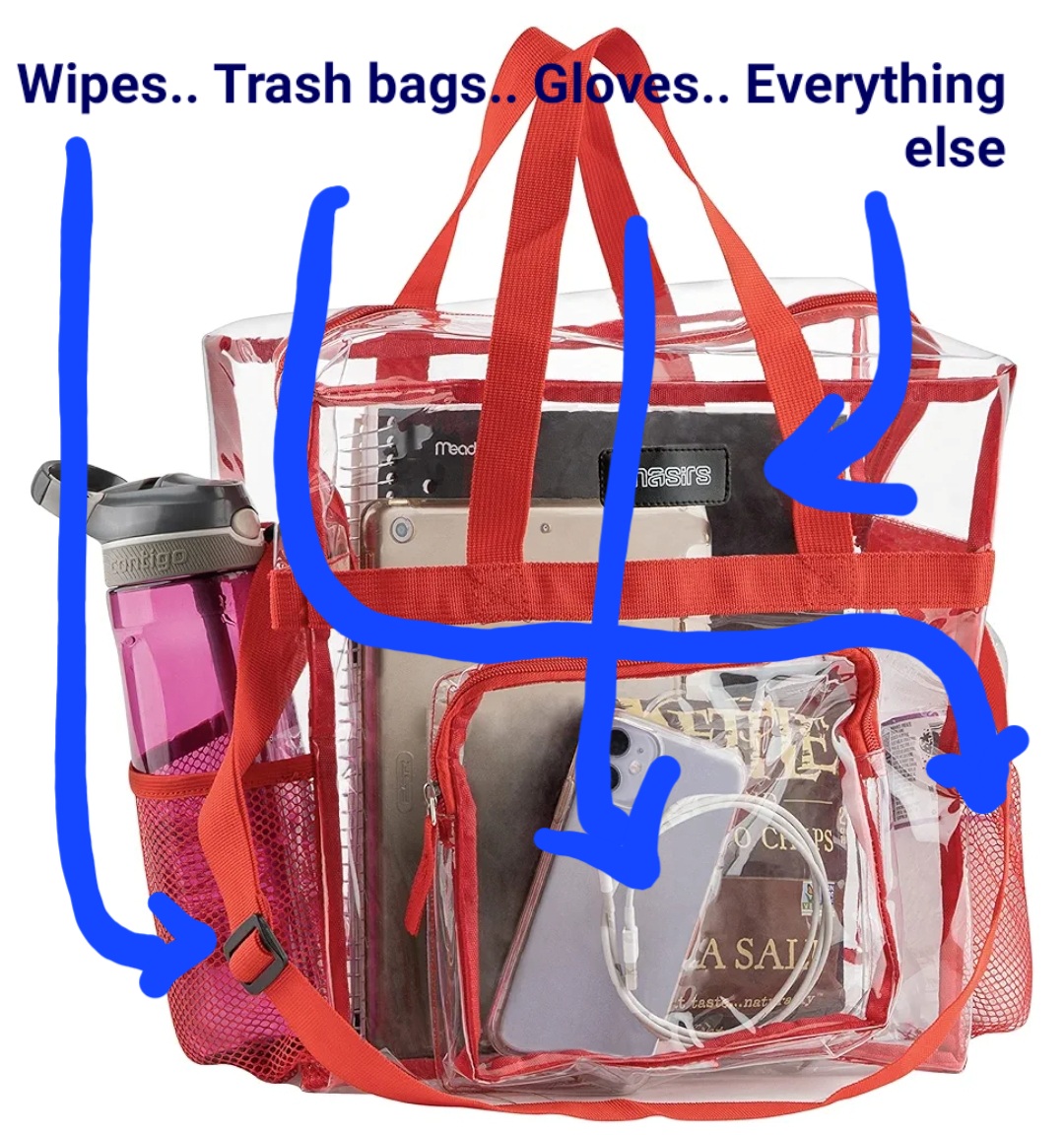
Any blood or, indeed, anything wet? Nitrile gloves, packed up in pairs and stowed in a closed outer pocket to keep them clean & dry and easy to get on.

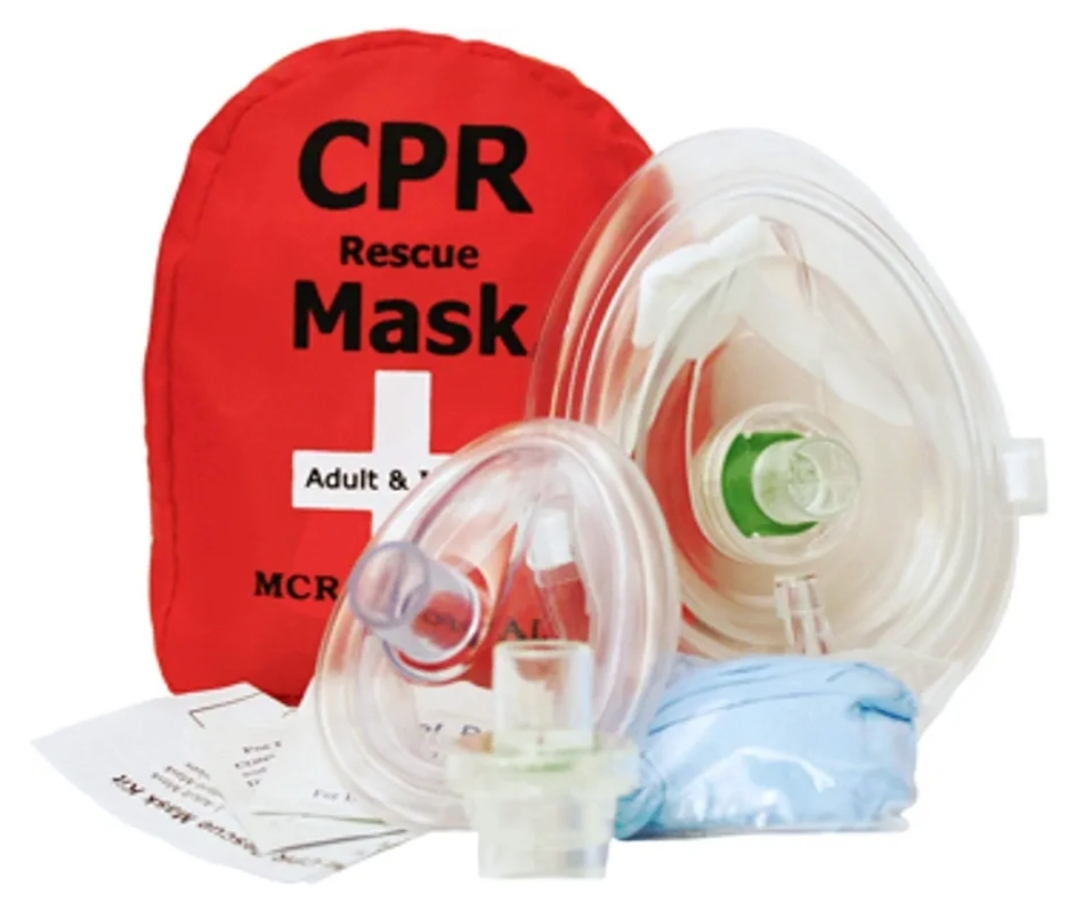
Heaven forbid, does anybody need CPR? This very rarely happens, but when it does, I don’t want to have to dig for the needful. I physically can’t do chest compressions (though I can coach any able-bodied person properly) but I can darned well use a mask with a one-way valve as if I’ve had years of practice. Years. You don’t have to have that (the training has shifted away from doing rescue breathing) but I feel that I do.

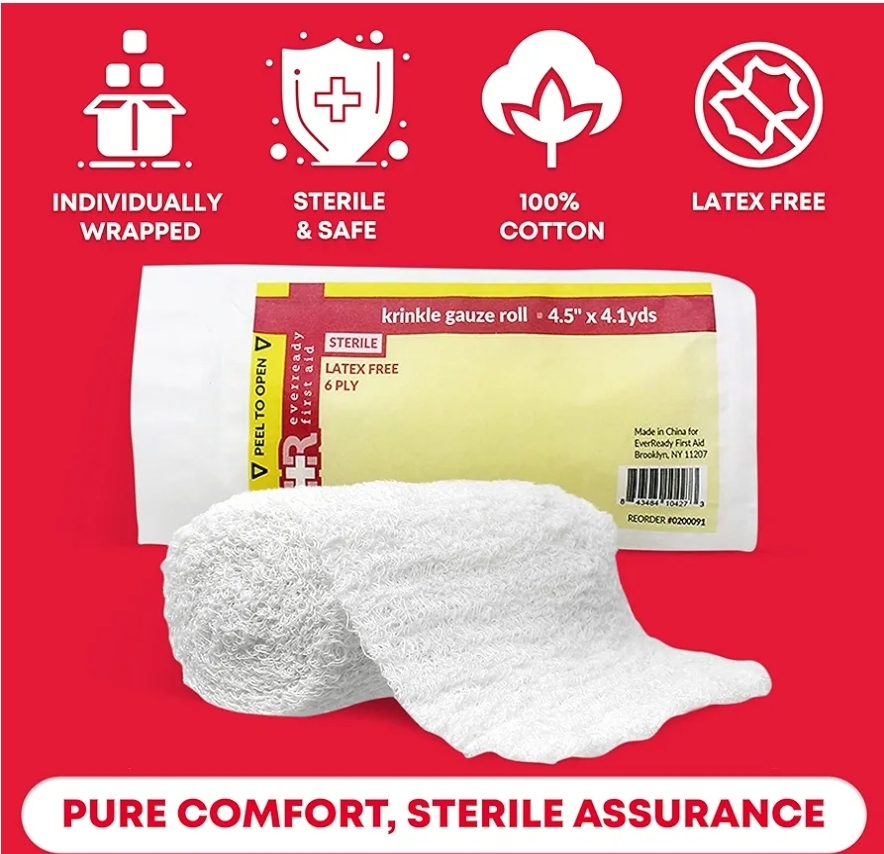
Pressure dressing? Kerlix. Sling? Kerlix. Wound cleaning? Kerlix makes a great sponge. Wound wrap? Kerlix. Piece of clean water-resistant paper to slap over a bubbling wound? Wrapping off a Kerlix.

So, plenty of Kerlix.

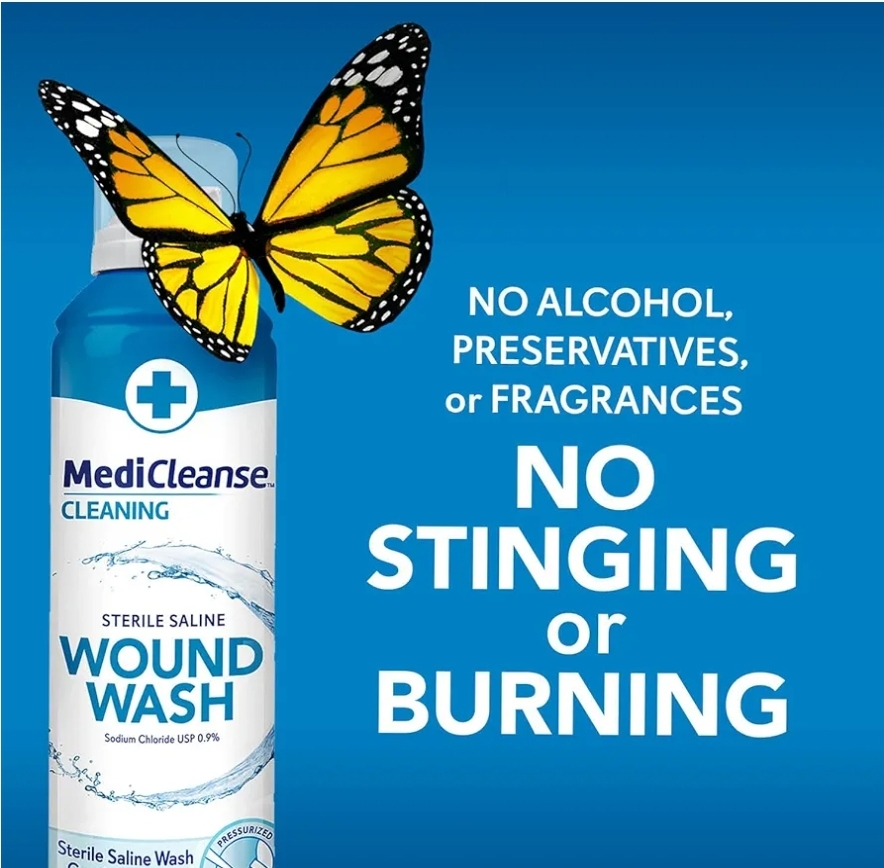
Road rash? Plenty of saline rinse (and a Kerlix) then a petroleum dressing to stabilize the damage until the ER can do a better job.

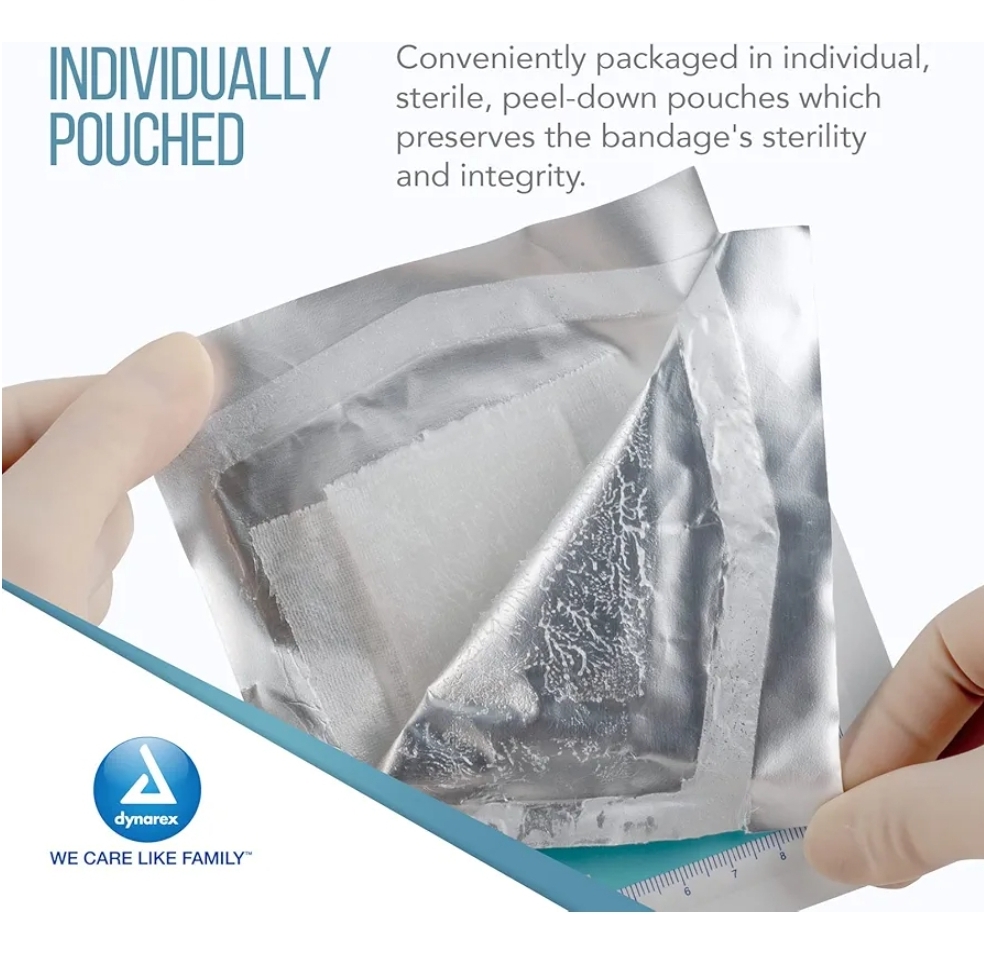
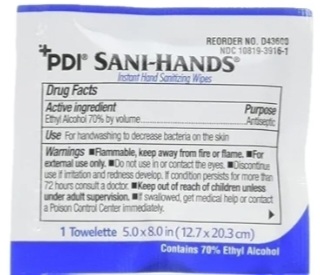
And possibly most essential: disinfectant cleansing towels, individually wrapped and big enough to grab. Those get used before if there’s time, during if the patient wants cleaning up, and definitely afterwards.

Because allergies & neurological reactivity, I stick with ethyl alcohol 70%.

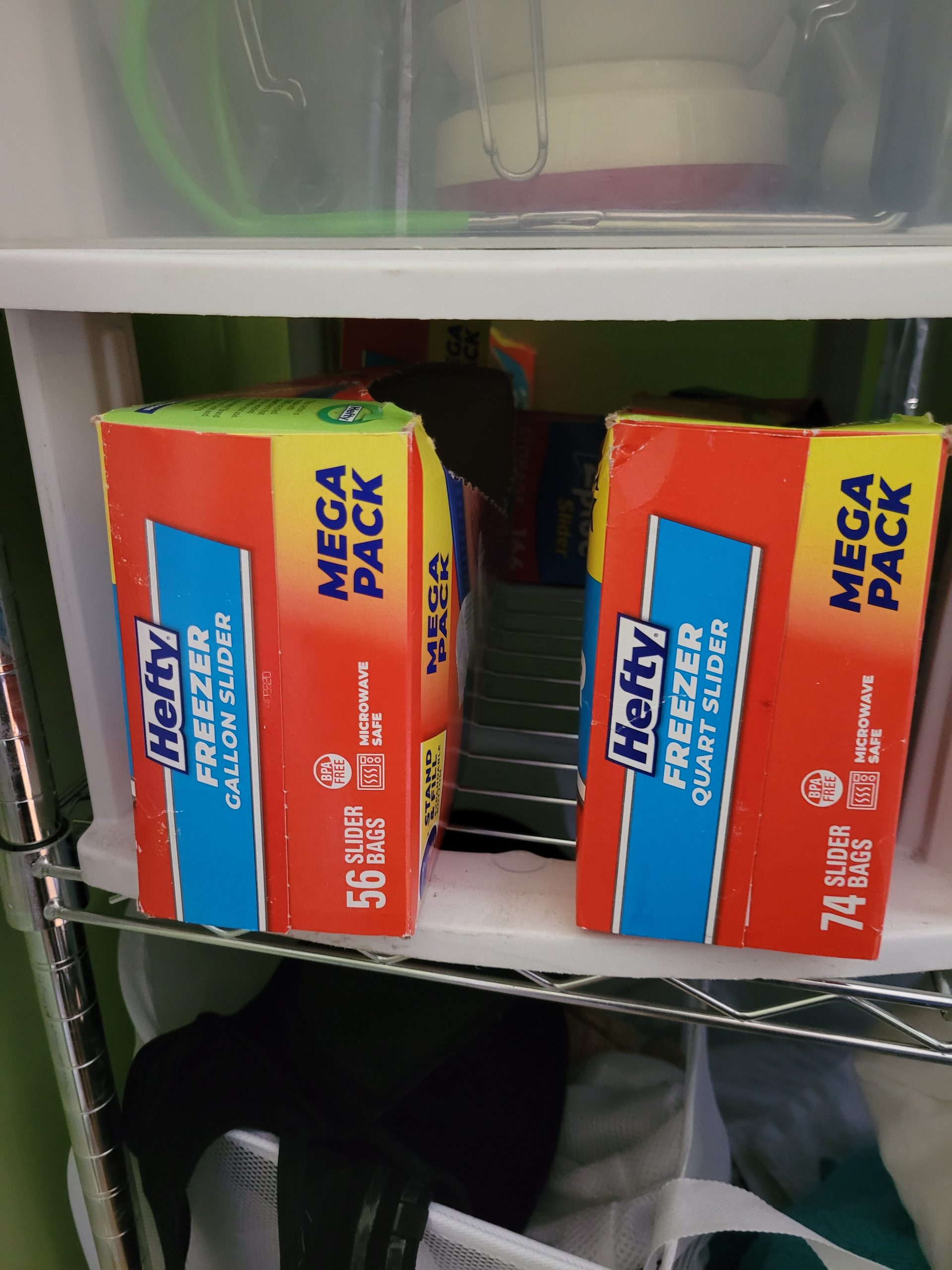
Secure the mess. A gallon-sized zip bag or 2 for garbage and wrappings. Having a garbage bag is one of the things that separates rescuers from ego-trippers.

Oh, did I say that out loud? Sorry. I don’t want anyone not to stop & help… I just wish that, if they’re going to the effort of bringing gear, they could pick up a bit. Seeing blood and mess is not good for survivors & passers-by.

I got all these online for about $10 each, and also got a clear bag (with outside pockets) to put the kit in.

I’ll keep backstock at home.

What I don’t carry

Blood pressure readings, stethoscopes, and pulse oximetry are at-home and in-hospital concerns: we want to know if what we’re doing is working over time and refine our understanding of the body’sfunctional state.

In the field, the main issue is not whether the patient has rales or a murmur, but whether the lungs and heart are keeping them alive – a much simpler, larger-grained issue.

So, these tools might be nice to have, but for a noodle-noggin like me, they’re an added complication and a bunch of expensive equipment to lose at the scene.

In the field,

  • You need to keep pulse and respirations going,
  • the spine stable,
  • make sure the inside stuff stays inside
  • and in place,
  • and (as much as possible) the outside stuff stays out – or at least doesn’t move much where it’s inside the person.

And that, ladies and gentlebeings, is Advanced First Aid and Basic Life Support in a nutshell. You’re welcome 😊 Now go get that training… please?

Onward and downward

My poor ol’ body has been carrying an unfair load for a long time. It does its very best, but the dice are loaded and, of course, aging intensifies all the problems and reduces all the healing mechanisms that keep it going.

Its experience as a physio-electro-mechanical system constantly in search of homeostasis – that is, a flexibly stable state — is seriously affected by the fact that it’s got these conditions which seem to think that homeostasis is a nice big target to shoot at and instability is fun. Woohoo!

I’m having what I suspect is a barrage of endocrine stuff which, among other things, makes my body’s pain and ability to adapt simply go phut.

CW: graphic descriptions of pain.

The bone pain triggered by walking is off the charts. Now I get one walk per week, it has to be less than 2 miles, I come home and go straight to sleep for 3-4 hours after, and have no attention or stamina the following day; I have to write off that time completely. My muscles and tendons feel like they’re filled with burning shards of glass. My leg bones feel like gelid columns of fire, like stiffened napalm, so that I’m half-afraid they’ll go squish and disintegrate under me, and who knows where that napalm would go if they did.

Honestly, that’s weird.

Activity is good. Moving is the secret of life.

Used to be.

My cycles still help at times. The recumbent trike, while it unloads my lower back beautifully, exacerbates my neck posture, which redounds into headaches for days. It also takes up a huge amount of space (it’s over a meter wide), so I have to stick to the wider paths and not try to use it in winter. However, it gave me back a lot of life last summer and fall. I had no idea what this year had in store for me, or honestly I’d have gotten something cheaper. Less safe, less comfortable (despite the neck thing), less of a joy to ride, because that trike is fantastic of its kind and fits like a glove… below the neck.

The cute retro bicycle? I didn’t sell it (though I probably should). I’ve been able to use it on some good days, but unfortunately I was still right about the road vibration on my spine and arms, and the pressure on my carpal tunnels. But it does fit into narrower spaces.

So, at this point, I have 3 modes of transport which used to work well, but this absolutely relentless business of being chronically ill has nearly, if not quite, taken them away.

Breathe, me. It’s just a problem.

It’s just a problem, and problems are meant to be solved.

I have a rowing machine which is currently my safest option for activity, although it doesn’t get me anywhere. It uses most of the body’s muscles, and I can tell because I can go for 6-8 minutes before I get sick and light-headed and the burning shards turn up. I’ve been trying to go up from 6 minutes without making myself sick, but my body can’t get past the 7.5-minute barrier without the spiculated pain all over and the desperate exhaustion for days. And yes, I incremented very slowly, but it just won’t work.

Weird. I cannot get used to that.

Time was I’d row for 20 minutes at “fit man” level, and go even longer in the water. I wanted to get a sea kayak and use it for transportation; I loved the motion of kayaking and could not imagine a better way to start or end the day. Middle-distance running (3 to 13 miles, depending on how much time I had) was a lot more affordable and accessible, so I did that instead. I was one of those annoying people who really enjoyed running.

I try not to think about that. These kinds of losses are about so much more than “hey, I could do this thing, yay me”; it’s more about how I fit into life and engaged with the world around me, about the tools I had available to help me through the hard times and illuminate the good ones. So much is out of reach.

That’s life.

Breathe, me.

I’ve got more specialist appointments crammed into the next few months than I’ve had in years; possibly ever. The science is a lot further along than it was when I was working as a nurse, thank goodness. The reason why I get heavier when I don’t eat enough is technically understood. The trouble lies in getting people to believe it and trust that I’m telling the truth.

It’s very weird to me to be disbelieved: I’m white, well-educated, have big blue honest eyes, and present info well. Now, as a fat middle-aged woman, apparently I’m inherently much less credible. Obviously, I must be kidding myself (if only!) and comfort eating (if only!) and clearly just being too lazy to work out (if only!)

I have no idea how that works, because you don’t get to middle age with significant illnesses by being stupid or incapable of self-care.

Breathe.

Keep breathing.

Problems are meant to be solved.

I’ve been thinking over solutions to the “how to be able to get things done outside the house” issue. I have partial solutions – all of them depending on others or on problematic systems.

For now, they’ll have to do. I’m glad I’ve got even them, of course. For all the towering cost of agony, uncertainty, and logistics, it beats having none.

Keep breathing.

I have a good home that I love. That’s one huge thing right, an unbearably difficult problem that has definitely been solved. From here, I’ll just have to figure out the rest.


Radical acceptance and the hero’s journey; or, life with complex chronic illness

When I saw the clip below, I kept nodding and thinking, “You know, if you take out the high-flown language and fanboy reverence for the material… this is what we do. Every <expletive> day. It’s the only way it’s bearable to survive with this level of relentless crap.”

I often remark to fellow chronically ill people that we often have to be superheroes (a more approachable term these days than heroes), not as a matter of ego exercise, but as a matter of survival. That’s just the way it is.

We have to rise above, over and over — rise above circumstances, limitations, wants, and sometimes our very needs.

We have to forgive and forgive and forgive, often without saying a word, just to maintain relationships with less-impaired people and get on with things. How can they understand what it’s like? I wouldn’t (and don’t) wish this on my worst enemy.

They can’t really understand, and nor would I want them to have to. Therefore it’s essential to let most emotional insults and logistical assaults simply slide off. Over and over again. That’s what it takes.

So, for people who are chronically ill and could do with some validation; and for people who seek some insight into what is really required of us and why it’s so flippin’ hard; I present Cinema Therapy discussing the hero’s journey, as demonstrated by one of the most relatable characters any spoonie could wish to find — Frodo Baggins:

I enjoy the Cinema Therapy vlogs because they’re so good-natured, and these two remarkably privileged humans make such an open-hearted effort to be better humans, all the time.


Morning exercise, redux

Flashback

Up until I got the injuries that precipitated CRPS, I used to run about 3.8 miles (about 6.1 km) up and down a redwood canyon most mornings. It was a highlight of the day: watching the light stain the tops of those glorious trees, waking the birds as it went, until the whole forest was filled with the noise of thousands of adorable featherbrains screaming their fool heads off, and the spiraling redwoods were soaked in molten gold.

I sprained my ankles a few times, leaving them with permanent puffy-pads. One time it was a bad sprain (I was pretty sure it was broken, given the huge swelling and rapid bruising) and I had to crawl and hop the last mile-and-a-bit, but I got there in the end because I’m just that kind of bonehead. I drove my stick-shift to the ER because, after all, the foot was still attached and all I had to do was push a little.

…Bonehead. (With, admittedly, an unusually high pain tolerance.)

Got poison oak a few times, until I went back to using poison-oak honey in my tea for the passive immunity.

I was kind of a sucker for a challenge, and I liked figuring things out.

I also liked the boards they had laid across a sandy furlong of the path to keep the sand from getting ploughed too far by the horses. The boards were just tall enough to make me hop them, and I liked pretending I was a horse trotting through a series of in-and-outs as I popped over them one after the other.

Great way to start the day.

And then what happened?

The repetitive stress injuries of long hours with keyboard and mouse, led to a series of wrist surgeries and complications in a couple of years. The CRPS diagnosis took longer.

What with all the roots and stones and the sun being in my eyes for the latter part of the run, I did stumble a lot. Having to catch myself went from being a diversion, to a nuisance, and rather suddenly to a terrifying possibility with crippling results. I dared not land on my wrists, because that could be the end of my career and my ability to support myself.

After recovering from surgery, cardiovascular exercise just caused too much swelling and inflammation — for years. I found that counterintuitive, which means illogical and, for me, extremely frustrating.

Fast forward 24 years

And now, it’s now. The ongoing heat wave (and flash floods) are making my usual afternoon walks impossible. My body refuses to stay vertical when the temp is a stunningly humid 84 degrees F (28.8 C). This body-system and wet-bulb temps just don’t get along.

Meanwhile, my thyroid supplement is starting to take hold. This means that, while I’m not up to normal energy by a long way, I crave exercise like a junkie with healthy tastes.

The only time I can be outside is before 8 am.

It usually takes me until then just to get out of bed, because of dysautonomia.

It’s hard to describe the sensation of challenging your dysautonomia, but if you turn on a powerful electric milk-frother and throw that down your stomach, while putting your head inside a vice and trying to breathe through a sodden sock, as flesh-eating termites devour your limbs… well, you still won’t know what it feels like, but you’ll at least be in the right ballpark.

I have an agreement with my body where it will let me get up early for Really Important Things, like fasting lab draws and airplane trips; I just have to pay for it the rest of the day.

I decided that it’s time to move exercise back into that category and hope it adapts appropriately. This is going to be rough, but the skills I’ve learned might make it work.

The skills

First thing is, No Surprises. I think about getting up and out early, as I’m getting ready for bed the night before. I think about the early hush and the freshness of morning air. I wonder what birds I’ll hear. I look forward to it sincerely.

Next thing is, Lower Barriers & Eliminate Excuses. Water is at my bedside and clothes & shoes get picked out the night before. I don’t want to have to think about doing it, I just want to grease the slide out the door.

Third thing is, Wake And Ground Deliberately. Once my eyes are willing to open, I drink at least half my pint of water and then organize my spine (a series of moves and physical therapy stretches that make my spine feel properly engaged), and then get all the way inside my skin (tapping down the top of my left arm, up the bottom of the left arm, down my side and front, down the front of my left leg, grab my foot until I can really feel it top and bottom, tap up the back of my leg, over my kiester and up my back and side; then, do exactly the same thing on my right side; then, tap up my neck — tapping on alternate sides — and use my fingertips over my face; rub through my scalp to get all the scalp muscles awake and ready to encase my skull today; and nice big sigh to turn over the air in my lungs.)

It sounds rough for CRPS, but I’ve been doing this for a long time and my brain knows what to expect. That’s important.

It also works to apply pain cream instead of tapping. It’s fine to skip over bits that don’t let you touch them. It’s fine to use a very soft touch, or stroke with something soft like a bit of plushy fabric or a feather.

It’s about input for the skin that helps the brain remember and rehearse where your body is in space. This is an important tool for pushing back on CRPS. It literally recaptures parts of your brain that have been turned into pain-sensation, and makes them remember how to do body-sensation instead. Worth pursuing and persisting with.

After this, I check in and, if body says it’s willing to try, I swing my feet onto the floor. I finish my water there, sitting on my bed.

I Check In as I Sit Up, nicely hydrated and with no surprises. If all is well, I get up and check in with my legs. If they’re OK holding me up and flexing, then I climb into clothes and shoes, and head out for my walk.

I planned my walk the night before (“no surprises” really helps the autonomic system to cope!) so there’s nothing to figure out as I grab my phone and keys and head out.

I adjust the distance I’ll go depending on how I feel when Im out. Today, I got wildly nauseous when I was about at half my intended distance. Vomiting tears open my saggital seam, that tough band that forms the middle crease in a 6-pack. (I vomit very hard.) So, I sat down and smoothed down the texture of my thoughts until the nausea passed.

Then I did some t’ai chi and qi gong, focusing on moves that stabilize the autonomic nervous system and ending with a “microcosmic orbit” series I always enjoy. (Let me know if you’d like video of any of that.)

Once my internal system was going better, I bowed out and returned, snapping pretty pictures on the way.

Summary & Conclusions

I’ve gone about the same distance both days, though yesterday’s walk took less time — I didn’t have to sit down. Today’s walk was more up & down. I think I’ll stay on level ground the rest of this week and see how that goes.

I’m now fighting the urge to go to sleep. I fell asleep at 8:30 am yesterday, after getting in from my walk, and slept until 1:30 pm. Waste of a day, IMHO.

Maintaining a diurnal cycle (regular sleep/wake and eating times) is very important for taking care of yourself with dysautonomia. So, now that my thyroid is not completely in the toilet, I’m going back to fighting to keep hold of the day. I want some life back.

To be perfectly frank, I’ve spent most of the last 9 or 10 months just waiting for each day to pass in the hope that another day will be better, and if not, at least I’ll be closer to the right treatment.

Enough is enough.

It’s hard work, but so is life: I’m starting to take back my days. That starts with regular activity, because nothing re-regulates a dysregulated system like regular activity.

And I do love the morning!

My job as a complex chronic patient

My first nursing job was on an HIV unit in 1991. We were in the 2nd wave of the med mixes, so there were some treatment options. We knew which precautions were necessary, and when.

Those precautions had been newly dubbed, “universal precautions”. HIV was the last global pandemic that had a powerful effect on ordinary patient care, legislation, daily activities, travel, everything. The lessons we learned were rolled so thoroughly into our lives that we no longer think about it.

Anecdote from the front lines..

At that time, it was all rather new. Old nurses were afraid to go near any patients on our unit. We had about 80% novice nurses, an unheard-of proportion on a specialty ward in a nationally-ranked hospital in a major city! We had to pay attention, and we had to learn fast.

Because we weren’t abandoned enough already…

Our rather young nursing preceptor had bone cancer in her knee. She went in for surgery as soon as the last of us (me + 1 other) got signed off on training.

But wait, there’s more: as soon as she came out of surgery, she wrote a message insisting they pull the plug on the machines and let her die. Husband supported that, in tears.

Considering how close to hysterical she’d gotten 3 days earlier, when I tried to dig in my heels and tell her I was not ready to practice autonomously and might need more training after her op; and how strenuously this woman — who’d done little but put me down for weeks and express frustration at how slow I was — now insisted I was ready, really ready; and considering how improbable that post-op scenario is, in so many ways… I think she had planned it well in advance. Most expensive euthanasia ever.

Her 2nd-to-last words to me were: “Change your socks. They should be white. Bright colors are not professionally appropriate.” And gave me a fierce look. She came back for a nice goodbye, telling us we were all “good nurses” despite our occasional touches of color (a laugh and a nudge for the main transgressors, me & a fabulous fellow), before she turned and left the unit for the last time.

She’d been working on me about the sock thing for weeks. Slouchy cotton socks in gem-bright colors were still fashionable; drove her crazy.

She was the only one who hated them. The patients, the other nurses, and my immediate supervisor thought my gaudy ankles were delightful. I was referred to as “the one with the socks” and everyone knew. (I also introduced the fanny pack to nursing life. Nobody had heard of it before I showed up with a white, wipe-clean, bleachable one. You’re welcome.)

It’s possible that I got a packet of white socks, as a gesture of respect to that tough young woman… which quickly got grubby-looking, as white socks always do on me, and thus were eliminated from my wardrobe as not being professionally appropriate.

… That was largely irrelevant, but I’ve stopped suppressing my storytelling urge. There are just too many; they leak.

Back to the job of being a complex chronic patient.

It’s surprisingly logical — it just takes a long time to figure it out. I hope this will shorten that course for whoever reads this! There are 3 key principles to follow, and 3 sets of jobs, one for each kind of person involved in each case.

Three key principles

My patients on that ward taught me a lot about how to navigate hard, complex, intransigent illness. There are 3 key principles:

  1. Grandma was right” kinds of things: fresh air, activity, nutrition, sincere friends, learning all you can — they make a huge difference.
  2. Find the light, or life, in the cracks. Doing #1 makes that a lot easier.
  3. Communicate with others in the way they need to be communicated with.

That can be a tricky one, but I’ve got a lot of material on it. Some of it is here on this blog. And one day I’m going to complete and organize that collection of communication tools. (Any day now…)

Three different sets of jobs

It’s important to remember that you can’t do everything. I learned that (and keep re-learning it) the hard way.

There are specific realms of responsibilities which the important people in this situation have:

  • My job.
  • Significant other’s job.
  • Provider’s job.

They’re perfectly straightforward.

My (the patient’s) job

A note on terminology: some object to the word “patient” as dehumanizing. I’ll let you mull over what it means to think of someone who needs care as less than human. I don’t.

I’m sticking with the word “patient” here, because it describes a person who has specific, unavoidable experiences with alterations in their bodies, care providers, and whatever health-care system they have access to.

Complex chronic patients have a depth and breadth of experience with these things that most people simply can’t imagine — and nor should they. We wouldn’t wish this on anyone.

So, as a patient, my job boils down to this…

Take care of myself; take care of my responsibilities; take care of my relationships. All this includes having fun and seizing little joys!

  • Manage my illness. This includes: meds, nutrition, activity, learning about the disease and how to manage it, self-care (whatever that turns out to include, but it always includes pacing: alternating activity and rest.)
  • Track important signs, symptoms, and changes, and document them meaningfully.
  • Share this info with providers and significant others when it makes sense to.
  • Find useful ways to communicate with significant others & care providers about changing needs and abilities.
  • Make all my appointments on time, every time.
  • Contact my Dr for anything I need their support with: changes, meds, treatments, info.
  • Get through the days one at a time. (Thinking of the whole span of my existence is not my job. One day at a time is plenty.)
  • Find life in the cracks: notice the little beauties, regularly do something I enjoy, stop and smell the flowers.
  • Make time for fun and happiness. It makes me so much stronger!
  • Be good to my loved ones, whatever that means and within my limits.
  • Know that I’m the subject matter expert on my body, and hold myself responsible for managing it accordingly.

Significant other’s job

shows images suggesting love, friendship, and work

These two principles can be used by people at work, at home, on the playground, wherever. Very simply, “believe me” and “avoid making this harder, whenever possible”.

Believe me

Nobody — trust me, nobody — can make this stuff up, and there are far too many expensively-educated people working on this for it to be imaginary.

  • If you can’t believe it, then try pretending you do for awhile, just to test the concept, and see how that works.
  • Learn about the disease. There’s good info out there and I, or my doctor, can help you find it.
  • If you’re really important to me, come to an office visit with me and ask the doctor your own questions.

Avoid making this harder

Communicate with me about changing levels of activity and needs. I hate to keep saying how broken I am, so let’s come up with a code to pinpoint the different levels of broken that I could be.

Then, I don’t have to talk about how close I am to puking or crying or passing out, you can know anyway, and we can get on with things appropriately.

That’s what I really want — to be as productive as possible for all the time that I can; to be as good a partner/employee/friend/family member as I can.

Provider’s job

Another note on terminology: I’m old enough to remember when physicians, who were relieved that good schools for PAs, NPs, and APNs were starting to flourish, advocated for the term “provider” as a collective noun, encompassing themselves and the advanced-practice professionals who potentiated their work and multiplied their efforts.

That worm has turned, and now it’s not so popular with physicians.

Please allow this old nurse to use the term with all the respect it originally included, in memory of the brilliant and capable physicians who taught me to use it as the inclusive term of choice.

The provider’s job (as of course you know) is threefold: keeping the larger view, providing appropriate care (of course), and providing info and guidance.

This is sometimes easier said than done, because every time I see you is a rough day. You hold more than the power of life or death over me — you hold the power of tolerability or pure Hell. Thus, it’s natural for me to be a little fragile, possibly overwhelmed, in our conversations.

I do my best to be prepared and “keep it together”. I want to make the best use of our time.

Due to the additional insults of pain and CNS dysfunction, I can be subtly or even grossly impaired when I most need to be responsive, intelligent, and clear.

Given all this, please know that your kindness makes a great difference in my life.

Here is what I hope for, from my providers:

  • Consider context. Notice where I fall in the statistical ranges and how might this affect my care; help me distinguish between reasonable vs. unreasonable efforts, as well as watchable vs. reportable signs/symptoms; steer me through that intersection created by my medical & physiological peculiarities in one axis, and the statistical probabilities generated by reams of studies and years of clinical practice on the axis which crosses it.
  • Prescribe appropriate tests, ancillary care (physical therapy, occupational therapy, speech therapy, and so on), and medications.
  • Respond sensibly and kindly to concerns about meds, therapies, and changes in my illness. (Fragile egg here.)
  • Let me know what I really need to know about my condition, meds, or treatment, before I leave the room (virtual or 3-D), so I neither ignore something important nor over-study and confuse myself. My responsibility to learn benefits from yours to inform me. Also, it helps me to know the right keywords.
  • Be the subject matter expert on the scientific and clinical knowledge-base for the illness I see you for, and be willing to figure out relevant context that my other conditions create.

See this article about just how fabulous an experience it is to have a physician who does all that. It’s such a relief and such a joy. Thank you from the bottom of my vital signs for doing what you do.

All 3 working together = best possible situation

When complex chronic patients can monitor and communicate effectively, prioritizing our care while keeping life in center stage most of the time; when our loved ones can coordinate around our limits, allowing us to be at our best, considering; and when doctors apply their staggering breadth of knowledge to our particular situations with attention; we have a fabulous chance of doing as well as possible.

I like doing as well as possible. I have a lot to give and I want to be able to give it — that said, my care comes first, last, and always; it’s the only way!

Thanks to significant help and support, good friends and loving family, and some real rock-stars on my medical team, I’m well set right now. I’m almost afraid to admit it, because I don’t want to rock the boat…

And here we are

There you have it: the 3 key principles and the 3 main jobs of living/working with complex chronic illness.

I know they are that fundamental, because I’ve had a few providers almost plead with me to come and participate in their patient support groups, specifically so I could talk about it with other patients.

Well, here we are, sharing this information all over the world! Send this article wherever you see fit. I’d love to know what your support groups think about it.

Patients, caregivers, loved ones of complex chronic patients, doctors, P.A.s, A.P.N.s and N.P.s… feel free to comment. This is about all of us, after all.

Why Pride means life

On my 21st birthday, I went out with a bunch of women friends, including 2 couples. All of us health-care workers. Drunk jerk got thrown out of a car right behind is as we stood on the sidewalk deciding where to go next.

He decided that us being out without a man, and clearly happy in our own company, was a terrible transgression. Then he noticed the couple vibes. Then he called us “a bunch of” d-word. Then he tried to kill one of the women in a couple.

Someone else saw him draw a knife. He went to slash her throat. Someone else pulled her back, by her arms unfortunately.

I saw him raising a fist to a defenseless friend, her eyes huge, staring at the fist.

Somehow I levitated between 2 parked cars and a couple meters of pavement in the time it took his hand to move another foot.

I landed in front of him with my arms raised in a blocking stance my Dad taught me at 9 or 10 years old. He said, “I’m teaching you to block with both arms at once, so you don’t get confused in the heat.” That worked!

The attacker looked stunned. Took a step back. I stepped back. He took another, one more, then turned and ran.

I ran back to the bar we’d come out of, passing a couple of delightful young men, shouting a warning: “There’s a man, with a knife, back there.”

I had no idea my left side was covered in blood pouring out of my face.

Those two precious darlings ran. Found out later they ran *towards* the attack, followed my friends’ pointing fingers, and kept him blocked in at the train station, where he had just missed the last train out. Trust me, it takes balls to be a queen.

When the back door of the bar finally opened, the barkeep peeped out and said, “Sorry, we’re clo — oh, dear — somebody get me a towel with ice in it!” He clamped it to my face and that was the moment I realized my left shoe was squishing with the blood in it and I kinda lost my cool.

I hammered on the brick wall with my bare fists, screaming “Never again! Never again!”

I had already been a female for 21 years, which taught me a lot about uninvited violence; had learned about the Stonewall riots; knew the horrific statistics of how often non-heteronormative women are attacked “to teach them a lesson”; and had started getting involved in “let’s all treat each other like frkn human beings & not torture and kill each other like it’s a sport” types of activism.

So. All that was behind that “Never again”. It was too much in my life already, and I was barely an adult.

When the cops brought the attacker in the bulletproof squad car, so I could identify him, I couldn’t see at first because his hand was over his face. Cop went around to the side to ask him to lower his hand. He turned sideways, and I saw the profile that had gone to sink a knife into the throat of a defenseless woman.

It seemed logical at the time that I didn’t want to fight the cops, one on either side of the car. I decided to go through the windshield instead. It was only bulletproof glass; between fingernails and fury, I saw no reason (in my state at the time) not to get through it.

A minute later, with drunk dude stark white and frozen with terror, one of my friends (an ER nurse) pulled me off the hood by the slack of my best black jeans (this was the late 1980s) now smearing blood on the hood of the car.

She and the cop looked at each other and chorused, “I think that’s a positive ID.” ?

While this makes a great story, the memory of it also makes it very, very hard to speak up against microaggressive b.s. because you never know where it will lead. Name calling can go anywhere. Being in a group is some protection but not as much as you might think. If I’d tripped on my gods-assisted leap across that distance, my friend would be dead, and her partner would not have been even acknowledged as a widow, and all of us would have been stuck with that harrowing memory with no tolerable ending.

I now have long hair and am not nearly as fit, so I have the leverage of obvious straight privilege more than I ever did before. (Not that I’m personally wedded to gender or orientation. Binarism is a bit weird to me, but hey, you do you.) My actual sexuality has been all over the map and is currently parked in Neutral: don’t have it, don’t want it. But hey, you do you — that’s the bottom line.

That language changes all the time. When I was an activist, at first “queer” was an all-embracing term, but then the language started moving to an acronym. In the move to acknowledge all the variety, that acronym has gotten unwieldy. The English language being the adaptable thing that it is, another word-based term will emerge to act as the modern umbrella term; that’s still in process.

You don’t have to like LGBTQAI+. If you’d actually read, as I have, holy books in an intellectually responsible translation, you’d find that the major ones are OK with it. God is OK with it, but you do you: just keep your hands to yourself.

You don’t have to support LGBTQAI+ businesses or like having LGBTQAI+ employees. If you check the stats, you’ll find that businesses with strong LGBTQAI+-positive policies and culture get more and better work out of ALL of their employees. A tolerant environment is very freeing to everyone, not just the nominally unusual! But you do you; just keep your hostility to yourself. It’s not OK to be hateful or spiteful at work.

You don’t have to want a LGBTQAI+ family. If you check the records, you’ll find that kids raised in LGBTQAI+ homes are just as smart & just as competent (and generally somewhat more adaptable) as anyone else’s kids. You do you; just keep specific laws off those bodies, because it’s no more your business than your sex, your private parts, your children, and your home life belong in other voter’s hands.

You do you. Let others do them. That’s basic humanity.

It’s not just LGBTQAI+ people who suffer for it. It really is a disservice to everyone.

Let’s get this crapshow turned around, because we really need to get together on issues beyond the personal, if any of our descendants are going to have a bearable future.