With a pet & chronic illness

This is a long one. Grab something to drink and put your feet up, if you want to…

In the wildly unlikely event that, say, a vulnerable American citizen felt moved to respect the anti-immigration feeling and return to the lands that, say, my ancestors left in the 1600s and 1700s… how would that work?

It helps if you already have a passport. This is important. Go here:

https://travel.state.gov/content/travel/en/passports.html

and follow the instructions there – whenever you land on it. Passports are issued by the State Department, and the State Department is currently being defunded and depopulated, so their processes may change.

This hypothetical traveler – let’s call her Max Peregrine – and why not? – is female, disabled, poor, and has very short hair. This puts her in several categories of risk in the US in 2025, and she’d like to know what other options there are for someone like her. Her service animal, a minature goldendoodle, has to go with her.

This is important.

Max has learned that a pet leaving the US has to get a certificate from a vet specifically qualified to issue international pet health certificates. She asked her usual vet, who referred her to the USDA web site to find one.

The USDA has been running increasingly lean for years, and has recently been gutted by the incoming president and his team, so the list of vets qualified to give this pet health certificate is out of date.

Max has been disabled a long time and is used to this kind of disappointment, so, after an Epsom salt bath and a TV break, she called down the list of veterinarians in the area until she found one who can (theoretically) give this certificate.

It took the one vet she found 3 weeks to research whether this is even possible. The USDA (which supervises animal health certificates for travel) is running out of staff, after all, and every country people want to bring their animals to has its own peculiarities over what is required to clear a pet for arrival, so it gets very complicated very quickly.

Sadly, the information that non-vets like Max find about import requirements is less than half the story.

Also, the US export process is complex in itself, and requires a 3-hour minimum turnaround between the vet and the USDA for the form to be submitted, reviewed, inspected, corrected, approved, and printed out. That is, if nothing goes wrong.

This vet certificate has to be issued within 10 days of departure (in some cases, 3 days, depending on the country the traveler is going to) so it’s good to start this process well in advance, and be willing to stay flexible.

If, like Max, your pet had an uncertain history or belongs to someone with limited mobility, it’s possible you’ll hit a snag: if the initial rabies series was not done exactly right, you might have to start the series over, do a blood test in 3 weeks, and be sure to get the next one inside of a year.

If you travel to Europe, you’re in luck: go to a certified vet there and get your pet an EU Pet Passport. It’ll make everything a lot easier as it’s widely accepted.

It’s important to remember that Max belongs to a category of people who can’t afford a package trip, nor a concierge trip. She has to do all the planning and reservations herself, and track all that info if, for instance, her pet’s initial rabies vaccination did not happen exactly as intended, and every leg of her trip has to be adjusted, by herself, one piece at a time.

Every transport company has their own pet policies, so she also has to call every single carrier in the chain of the journey to make sure her pet reservation has followed her.

It’s fortunate for Max that her executive function happens to have extra bandwidth for travel planning. It’s in her DNA. Her ancestors have been traveling for at least 350 years.

Since Max’s mini goldendoodle, a girl named Sam, is a Service Animal, there’s no question of that pet being refused. She has to fly with her person.

However, her paperwork still has to be in order!

So, having rectified the rabies shot situation, changed the entire trip to 2 weeks later to make sure her dog can come, and found half a dozen places to get food that matched her dietary requirements in each place she planned to stay in, Max was smart enough to know she could not possibly relax until she actually had her toes in the sand and her dog in her arms at the same time. The preparation for this trip had only just started.

Max is probably a bit overwhelmed, but can get good advice and good tools. She got Smart Tags for her luggage, found friends willing to be phone buddies to use Find My Phone to watch her progress, set an alarm to remind her to turn on Location and 5G at every transfer to give Find My Phone a signal, and then returns to low-rad mode so she’s not battling cyclical vomiting syndrome (which is what happens when she’s around too much signal too close to her body) while conducting a long trirp.

Cyclical vomiting is never fun, but it’s worse all around when you’re packed into Economy class.

Max, who hates travel surprises and likes to be organized, has also prepared a travel folder with pockets and tabs:

  • Complete itinerary in the inside pocket in front.
  • First tab: Check in information for each stage of the trip. This also proves that she plans to return in less than 90 days, because that’s important in an increasingly immigrant-hostile world.
  • 2nd tab: Visa related info: trip insurance coverage, with the coverages page copied and stapled to the front for easy reference.
  • 3rd tab, more visa related info: Lodging reservations, printed in every language she’ll be travelling through, so each border can conduct its own checks. Arriving with nowhere to stay is a big no-no these days; no more turning up and finding the nearest hostel.
  • Health tab: vaccination info. A lot of places really care about this, so get your shots if you want to travel, and get printouts from your provider. If you can afford it, you can have a travel specialist doctor make a yellow International Certificate of Vaccination, which is accepted everywhere – like the best credit cards.
  • Emergency: this tab is particular because Max has underlying medical conditions. There’s a MOLST form, which providees instructions for when someone is unconscious and can’t tell you if they want CPR or oxygen. It should also have copies of prescriptions, which you can get by calling your pharmacist and asking them to print them out. (Some countries require prescriptions hand-signed from the doctor’s office, but electronics are making their way into this process more over time.)
  • The pet, naturally, has her own tab. Her health certification, rabies documentation, and whatever else is needed, go here. This includes her microchip number, because pets require a chip for travel.

At the back of the folder, Max has left space to keep brochures and flyers for things she most wants – from safe places to get food, to inexpensive trips, free/cheap sights, and bus schedules. Max looks forward to filling that up, but knows she has to be careful with money because she’s still poor … she’s just staying somewhere a lot cheaper than her home at the moment, somewhere the government is not (yet) committing very messy self-merc.

And then there’s packing. Max has to bring her own self-care mechanisms, which involve a lot of pillows and some extra gear. Being disabled is a lot of work and there’s just no getting around that. Everything that’s most necessary for that work has to come with, or be bought there, and she’s on a tight budget.

Happily, sunshine is free!

Max is an expert at enjoying the little beauties and making the most of whatever blessings come her way. She’s going to have a fabulous time, and so is her service animal.

I’m a little envious, but I’ll be sticking around for the foreseeable. I helped Max with some of her research, though, so there’s likely to be more to come…

The limits of mitigation: dishwashing

This article is utilitarian. It provides descriptive terms for people with similar experiences to use in communicating with their doctors, payors, and loved ones.

It discusses the impact of an ordinary household task, and explains why doing such an ordinary thing could, in fact, be unthinkably difficult for people with certain neurological issues, even though their arms appear to function reasonably well.

It aims to mitigate some of the effects of the invisibleness of pain- and sensory-related disability.

Washing dishes is a problem. It’s never been fun, but it has been satisfying, because, talk about instant gratification: you do something and things are immediately better! I liked that!

Hoping for more autonomy, I recently got a great pair of washing-up gloves. Here’s what I’ve learned.

The problems with washing dishes are:

– The way water over the hands, which are rich in nerves, intensifies sensation and creates constant tactile input that multiplies every other sensation. I think it also has an effect on electrical conductivity in my hands and, as we know, the electrical conductivity in my hands is a complete mess anyway. This is where my CRPS started.

– Hot and cold temperature variation. This activates the C-fibres in my hands and forearms, the nerves that transmit hot and cold and itch and pain. My body has trouble distinguishing between those sensations. So as the water changes temperature – down to fractions of a degree, which most people would not even be aware of – my nerves and the blood vessel activity that the nerves can command are all just having a little meltdown.

– Because of histamine issues and allergies , most of my dishes are glass or metal. Both of those substances have a strong impact on my tactile sensation. (They’re hard to touch and uncomfortable to use, but I have to use them.) I think this has something to do with how extravagantly they conduct temp and, in the case of metal, electricity. Both of which translate to discomfort and pain and impair my ability to control the motion of my hands. This muscular impairment is a characteristic of long-standing CRPS.

So, between having to juggle all that sensation, all that pain, all that vascular/tactile disruption, and the loss of muscle control that comes with it, washing dishes is a real problem for me (cf. taking a shower. Another post for another day.)

Think about dropping glass and fumbling knives, and you’ll see what this means in practical terms.

My cat has learned how to respond when I break glass. She comes to the edge of the splatter zone and meeps to check in on me, then sits out of the way but in sight, supervising the entire process from picking up big pieces to sweeping the rest and finally getting up the tiny shards with large damp rags. Only then does she enter the zone and check my work! She doesn’t let me forget how important it is to clean it up properly, and comforts me considerably during the subsequent recovery time.

I got some dishwashing gloves, hoping they would help. What I’ve found is:

– They eliminate the water contact – until my hands start to sweat. Since they are necessarily an artificial substance, this happens pretty quickly because that’s how my skin responds to manufactured surfaces. The term for this is “sudomotor reflex.”

– They reduce the temperature variations, but not as much as you’d think. I’m astonished, myself, to find just how sensitive these hands are to tiny temperature changes. This relates to “thermoregulation” and “thermosensation” problems in CRPS.

– They do help somewhat with dexterity because they’re nice and grippy. However, they don’t fit well because they’re a generic size. With the quick sweating and the temperature changes, the dexterity problem really isn’t resolved.

– I don’t have to come into direct contact with the glass or metal, and that does mitigate some of these issues. It’s just that they’re not the only issues.

The peculiar nature of peripheral neuropathy with CRPS makes this pretty much unwinnable.

So I guess I still need someone else to do my dishes.

If anyone can think of a way to rinse and load a dishwasher and then remove the dishes when they’re clean and dry but still solves the problems of water, dexterity, glass and metal … I would be happy to hear it.

I’m posting this not to whine, but because it can be so very hard to articulate these profoundly abnormal sensory experiences, and I know I’m not the only one to have them. As always, please feel free to link and copy, and I’d prefer it if you point to this webpage if you put this in print or online. Thank you so much! In the end, if you need to use it, then just use it. Spoonies unite.

Speaking of spoonies uniting…

The fact that this post got written without me going into a complete fugue state and wandering into traffic, or somewhere equally unlikely, is thanks to Elle and the Auto Gnome, who kindly took dictation — and kept me from wandering off in an effort to avoid thinking about this any longer than necessary! It’s a ghastly situation and my usual coping method is to articulate a ghastly situation once, and then focus on workarounds, spending as little further attention as possible on the ghastly thing itself.

Elle and the Auto Gnome blogs here.

She pointed out that being able to articulate these problems is darned rare, so I took the hint and we did this together.

May it be helpful to others in similar straits!

Competing needs vs. Layered needs

CW: food & size & related topics.

Many things are coming together and my soul is taking warmth and strength from the concatenation of care. I’m incredibly lucky — even blessed — and I feel my good fortune with all my heart. It’s a great, and unforeseen (by me), turn of events, after decades of raw struggle.

One of these blessings takes the form of a gifted young man who takes my complex & often conflicting dietary needs as a delightful challenge, rather than a terrible curse. His work with me is a hugely encouraging capstone to,

  1. A lifetime of food-nerdery,
  2. A career of nutrition-nerdery (not the same thing),
  3. Decades of increasing dietary stringency,
  4. Years of gastrointestinal fuss.

It turns out that addressing underlying nutritional needs can re-shuffle metabolic activity so that former limits are a lot less limiting.

I know, right? Who knew???

Horse & woman laughing hysterically

I’ve been dealing firmly with mast cell activation & histamine reactivity, by keeping everything I eat super fresh, freezing it in portions immediately, reheating in the microwave (which tastes a lot better than cooking it in the microwave in the first place), and keeping the dishes & utensils squeaky clean.

After doing this for awhile, it turns out I can eat brassicas again (cauliflower and broccoli, 2 of my favorite veg) without my thyroid flipping me the bird as it passes out.

I feel profoundly rewarded.

Competing needs: no brassicas; lots of winter veg.

Layered needs: calm down the mast cell activity & histamine responses, and my immune system is perfectly happy to take brassicas on board without trashing my thyroid in response!

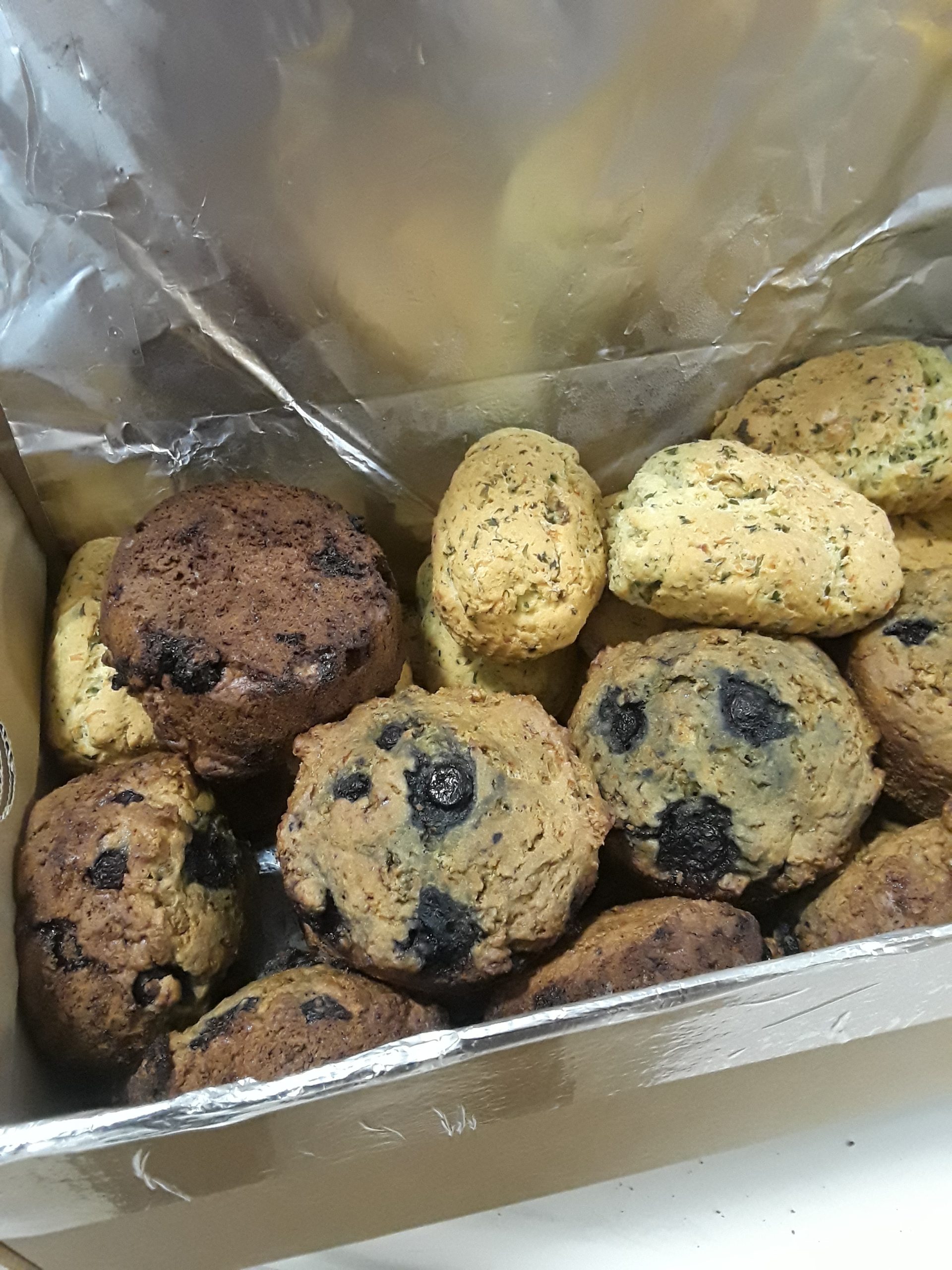
Also, I was gaining weight rapidly around the time this kitchen-magician showed up; since my diet was so limited at the time (homemade parsley buns, homemade blueberry buns, farm-frozen chicken, and sprouted lentils, with only olive oil & salt for flavoring) it was very easy to do a calorie accounting.

It turned out I was in hardcore starvation mode, getting only 700-1000 kcals/day. That’s not enough. It kicked my cortisol into high gear, which is overdriven anyway due to pain & dysautonomia, and manufactured excess adipose tissue from (apparently) thin air & bad grace.

I’ve roughly doubled that calorie intake; with my kitchen-wizard’s help, I’m getting loads more veg, too, which for me are a sort of cure-all — whatever is wrong with me, it eases up if I get more veg.

Keep in mind that *any* consequence of starvation is unhealthy. Losing 80 pounds to starvation is even more horrifying than gaining them. It hurts less, but it’s more dangerous to kidneys and system function.

It’s a peculiarity of our modern sensibilities that gaining weight due to starvation is absolutely invisible, because being fat is considered so repellent (the word “gross” translates as “fat” — that’s a strong linguistic clue), that shaming & blaming is the default response, even — especially — by physicians who should know better than to disbelieve, shut down, and further humiliate their starving patients.

This obviously needs to change.

My clothes fit more naturally and my feet & legs hurt noticeably less 3 weeks on. So, that’s much better!

Competing needs: more nourishment; fewer calories & more activity, I’m told.

Layered needs: adequate calories, so my cortisol can stop screaming about starvation and let my body work better!

There will probably be a lot more about the details — why are all my veg heavily processed or overcooked? What’s the recipe for those buns? How many diagnoses am I working around, anyway? How do you get onions in when you can’t go near them raw? — but that is, as it were, food for future posts. There’s a lot more info in this topic. It’s possible there are a few books in it.


Putting words to the problems

Thanks to wonderful people, I’m getting help in my home. Holy hosannahs, people, it. Is. Amazing.

Stone angel with hands clasped in prayer, standing on a pillar, sun like a glorious halo

My part of the bargain is to get the state to step up to the extent I can persuade it to, hoping it covers the cost.

Ever since governments realized that keeping people safely at home is much cheaper and more productive than warehousing them, sensible states work to make that possible.

Naturally, they have checklists and formulae to determine what they’ll provide, based on neat cookie-cutter notions of disability, developed in tidy rooms by people with steady pay, good benefits, and a remarkable degree of job security.

I mean… I… ay, ay, ay.

TW: Describing the usually silent reality

Fellow spoonies can guess at the blind horror it was to climb right down into the mess of this life — where getting through the day requires me to gently ignore as much as possible — and blurch it all up, but thanks to an excellent psychotherapist who knows how to pull me off the ceiling, it happened today.

Mom, it’s okay if you skip this! It’s clever & apt, but grim in parts. Keep in mind that it’s not the whole story, just the relevant hard parts, because it’s written to the task of getting money out of the system.

I separated the “Why it is like this” from the “What it is I need” and I thought this might be helpful to share with others, since I’m far from the only one who has to do this. Hope it helps.

Letter stating what my helpers do

Dear Gate Keeper,

Here is a discussion of my needs and the help provided. Thank you for taking the time to look into this.

Cooking:

Diagnoses affecting my intake are numerous and often mutually contradictory (e.g., insulin resistance & gastroparesis.) Inadequate nutrition makes everything worse, as you know. Multivitamins can only do so much.

I mentioned “no shortcuts”: this means sauces, dressings, snacks, everything, has to be made from scratch, thoroughly cooked, and frozen fresh in order to be safe. This is largely due to mast cell activation syndrome (everything super fresh & clean) compounded by the inflammatory reactivity of fibromyalgia, CRPS, dysautonomia, and multiple food allergies and sensitivities which already existed (making the cost of failure high), plus gastroparesis (so everything has to be processed and cooked.)

Everything has to be frozen in serving sizes, because the mast cell reactivity and the downstream consequences of failing to account for that are so devastating. Then those many containers have to be washed and put away. Please see housekeeping about why this is such a big deal.

Shopping: pushing a cart is like holding onto a rail wrapped in barbed wire while every bump is like a blow to the frame driving the barbed wire deeper. Not having to go through that is important for being able to do anything else in the day.

Here’s what Person A does for me:

  • Shopping: drives me there, handles cart, keeps us on task, remembers what I forget.
  • Keeps kitchen clean, functional, organized.
  • Keeps fridge and freezer ditto, which I couldn’t do for years (temperature, metal & glass contact; see below.)
  • Works closely with me to understand dietary limits and possibilities. Much learning, checking, & creative thought involved.
  • Preps, portions, and stores fresh food.
  • Makes sauces, dressings, and desserts; stores them in usable portions for me to dress my meals with.
  • Cooks main meals and snacks meeting my stringent needs.
  • Serves me a fresh, hot meal every time he’s here. Everything else I defrost in the microwave.
  • Portions and stores everything.
  • Cleans the endless parade of dishes.
  • Provides apt advice on how I can make my nutrition easier to access and more satisfying.
  • Every bite has to be cooked (gastroparesis & g.i. disorders) so this means considerably more work and more dishes.


Housekeeping:

Anything involving contact with things that affect transmission of temperature and electricity is agonizing. CRPS and its peripheral nerve activity are essentially a matter of disrupted signaling, and these are hugely exacerbated by contact with metal, glass, running water, any water at anything other than body temperature, vibration (which is brutal – imagine a full-thickness burn happening inside your tissues down through the bones) and other sensations which would ordinarily not even warrant notice, but to systems like mine are limned, imbued, and soaked in pain. Not just ouch or even agony, but a pain that causes the motor nerves themselves to fail without warning of any kind. It’s very distracting and worrisome, as well as uncomfortable and risky. It can be dangerous, as the many glass objects I’ve broken in the past year attest. Dish gloves don’t work for me due to tendon problems and what the gloves are made of.

I’m a fall risk, due to the dystonia and the repurposing of motor nerves to carry more pain. (I can supply excellent peer-reviewed articles to support all of this. If I forget to provide them and you want to see, please let me know.) And, because of the many sensitivities and reactivities I live with, packaging and serving my food in glass dishes is essential. Cleaning them is mandatory. There are no better options.

Due to the combined effects of hyperflexibility, hyperreflexia, complex regional pain syndrome and the nerve damage and “windup” that goes with it, histamine intolerance and the tissue effects of inflammation, and other factors… movements beyond very moderate range have to be deliberate and controlled, or I risk injuring myself again.

This means that things like folding sheets, reaching, or making ordinarily repetitive motions put me at risk of injury, with disproportionately bad results and disproportionately long recovery time. Amidst all this, sensory sensitivity has developed across the board. (I was an emergency nurse, mid-distance runner, hiker, rock climber, and I liked the meditative nature of housework. This current reality is hard to live with, but it is what it is.)

Here is the list of tasks Person B does for me:

  • Recurring serious attacks on dust and mold in the home. I havent’ been able to get treatment for these allergies to a successful degree, and they impair me badly. Dealing assertively with these environmental insults is key.
  • Change bed. [I’ve deleted the bit about the worst incontinence. You’re welcome!]
  • Vacuum floors (vibration, auditory, grip)
  • Vacuum baseboards, corners, overheads vs dust.
  • Move furniture to vacuum underneath.
  • Damp soapy wipe down of baseboards, shelving, & all the surfaces vs dust.
  • Wash curtains vs dust
  • Mop floors vs dust in cracks
  • Clean bedroom carpet and rugs in house vs mold and dust
  • Deep clean bathroom, bedroom, and kitchen, to keep mold levels below functional threshold.
  • Spot clean (I drop things often)
  • Fold laundry
  • Dishes all the time. They have to be washed really well, because of the mast cell issue.
  • Errands: trips to P.O., pick up meds, get cleaning products, stock up on masks, and hopefully outings when it’s warmer.
  • Reminders: get meds, fill med organizer, change towels, etc.
  • Laundry: bedding, towels, clothes, rags. I have a small apartment washer that we have to use exclusively, due to horrible reactions to commercial cleaning products.
  • Clean asthma gear & vital-sign gear.
  • Equipment maintenance for air filters: changing filters, wiping down, checking seals, etc.

It’s hard to realize, until you‘ve been through it, how very helpful it is not to be tortured by ordinary tasks of daily life.  I appreciate your willingness to look into this.

Please let me know if you need any supporting documents.


Thank you so very much for your time…

Low-histamine shopping list and recipes

Ladies and gentlebeings, here’s what I’ve come to after a 6 month period of, firstly, a strict diet of tapioca, carrots, butternut, apples, and chicken; then, careful reading about *tested* foods on *living* humans, plus extensive empirical testing on my own particular system. The fruits (, veg, herbs, and meats) of this work lies below. Foods that I currently remember as improving the histamine picture have a +.

Note: I’m focusing on what I *can* eat as part of a low-histamine diet. Where my diet is restricted for other reasons, I say so, in order to point out where there’s obviously something for others to explore.

I don’t mention higher-histamine foods nor do I go into the details of what makes a food low-histamine (which can involve mast cell triggering, histamine levels within the food, salicylates, non-food triggers that raise the background level of reactivity, whether fermentation or aging is inevitably part of the process – as with beef – and so on) because that’s a whole ‘n’other article, and a bit beyond my bludgeoned brain at the mo’.

Caveat emptor: we’re all a bit different. This is why empirical testing, tracking results for yourself, and being able to notice when things change, is so important. My list is basically ok in principle, but it won’t be right for everybody, and may not even be right for me in a couple of years.

Besides “everything organic” and “everything fresh”, the third leg of this mow-histamine diet is “everything freezable frozen”, because leftovers and meats start making histamines real quick. So, freezing and then defrosring in the microwave is the only safe way to go with yhese things.

I let stuff that’s fresh off the stove or out of the oven freeze up on the top shelf (usually atop the “buns” box) and then move it to its rightful place:

The magic lists

Everything, absolutely everything, is super fresh and organic. This is part of the deal with low-histamine foods, and I’m ever so grateful that it’s possible right now. (Thank you to the federal SNAP/Food Stamps system and to HIP, the produce-enhancing state funding system for low-income people, plus an outstanding local farmer’s market that works with these programs!)

Produce:

    • +Apples, fresh local low-spray or organic (by low-spray, I mean they get sprayed twice, once when the buds set and once when the fruit sets. I find I tolerate this just fine, as long as the apples aren’t sprayed for storage)
    • Fresh cider, UV treated to impede fermentation (when I’m not frail)
    • Blueberries, wild
    • Cranberries
    • Peaches, when not frail
    • Plums, most kinds, when not frail
    • Cherries, when not frail
    • Mangos (not bruised)
    • Spring onions (some people are good with sweet white onions but not spring onions, and some can’t tolerate any onions, so YMMV)
    • Garlic heads (as above)
    • Sweet peppers (I find red bells and bullhorn peppers easiest to digest)
    • +Asparagus
    • Cauliflower, if good (no black or yellowed spots)
    • Soft/summer squash: marrows, zucchini, yellow crookneck (scoop out seeds if currently fragile)
    • Different squash: delicata, pattypan (seeded as above)
    • Beet greens
    • Radishes (which I like to steam)
    • Celery


    I can’t eat leafy cabbages because my fragile thyroid poops out if I do: mustard greens, collards, chard, bok choy, napa, savoy, radicchio, kale, green and purple cabbages, and other winter-harvest yumminess! Check them out for yourself, as long as your thyroid and gut is up to the job.

    Protein:

    • Chicken, turkey, pork, lamb (frozen straight off the block; another farmer’s market item here) (NOT ground: that generates histamine, possibly from the extensive cell damage)
    • Eggs (from scratching, soy-free hens)

    I can’t eat lentils, beans, or peas due to gastroparesis, but you lucky so-and-sos who can might want to read up & experiment to see which ones are ok for you.

    Lipids:

    These have to be fresh and not have any whiff of rancidity. Since all my food is fresh now, these and my protein sources are my only source of lipids for my brain and spine:

    • Olive oil
    • Grassfed (or Kerrygold) fresh butter, not raw
    • Avocado oil
    • Drippings from cooking meats, frozen right out of the pan. These are *wonderful* for cooking veggies with!
    • Coconut oil (when not frail)

    Carbohydrate rich:

    • Rice (plain whites, basmati, or jasmine are all ok for me; brown and sweet rice are not for frail times, but ok in small doses at other times)
    • Sweet potatoes, any kind but Japanese (which I think I did to myself by eating them too often at one time! Darn it)
    • Tapioca/yucca/manioc, same vegetable; fantastic for a sluggish gut & delicious made with apple cider
    • Farmer’s market honey
    • Sugars: panela, jaggury, coconut (all of them unrefined & mineral-rich, so YMMV)
    • Beets – with greens (I use the stems to flavor soups and I steam the greens or drop them on top of a batch of stir fry; delicious!)
    • Carrots, lots, as they go with everything
    • Broccoli
    • Parsnips, if I’m not currently frail (they’ve got such good nutrition I keep them on my shopping list, but they’re the first to go if I’m not up to the mast impact)
    • Celeriac
    • Hard/winter squash: butternut, acorn, kabocha (NOT pumpkin or spaghetti squash)

    Rice is my only grain. Some do ok with sorghum or buckwheat or some other things, but it’s hard on me in anything but small doses & when I’m not reactive.

    Flavorings and spices

    I can do, almost all fresh:

    • Parsley
    • Basil
    • Dandelion greens
    • Cilantro
    • Sumac (this is dried)
    • Bay leaf (dried)
    • Rosemary
    • Sea salt
    • Mined salts: Kosher, pink salts
    • Garlic
    • Ginger
    • Turmeric
    • Cedar sprig (fantastic when cooking chicken or buttered black beans, not that I can eat the beans any more)
    • Cumin (when not fragile)

    Here’s the fun part…

    Recipes

    The web is international, and I try to work with that 🙂 Please be aware that, as my cooking was learned in US-origin households and restaurants, I cook by volume rather than weight. Measurements are noted accordingly. (I’m aware of the flaws in this system, so I use recipes that can accommodate the “fudge factor.”)

    These are much-loved ingredients I make ahead:

    “Ginger Fabulous”

    I almost took a picture of this, but it just looked brown on camera. It’s lovely earthy honey-colors IRL.

    • Peels from 4-6 apples (may freeze ahead)
    • Ginger x6-8 thumbs (a bit bigger than my smallish thumb, anyway)
    • Farmer’s market local honey, ~1/2 cup [120 ml]
    • Sugar (panela or jaggury for me; light brown or raw is probably good), same volume as honey
    • 1 pint [500 ml] cider
    • Optional: Dash of clove, if you’re ok with it

    Slice ginger to 1/8″ or less.
    Chop apple peels to about 3/4″ segments.
    Put everything in a good pot.
    Simmer until all the ginger is translucent, usually ~ 1/2 hour.
    Let cool.
    Try to keep enough for later; I find it hard to stop taste-testing.
    Uses:
    Use as is for preserves, or process/blenderise to rough texture for marinade, jam, or even hot drink if you don’t mind a bit of dessert in the bottom.

    “Super Greens”

    Here they are mixed into buns:

    • Parsley x6-8 bunches
    • Basil x3 bunches
    • Dandelion, Italian/less bitter (has spikier leaves), x1

    Chop parsley and the leafier part of dandelion greens to 1/2″ lengths.
    Pick basil leaves off stems and chop a bit smaller than that.
    (Wrap the stems in foil and keep in freezer for flavoring soups, as their flavors cook down delightfully.)
    Throw it all in a processor and chop very fine. (I have to go 1 head of parsley & equivalent of others at a time, because my processor is not that big.)
    Package up into ice trays, or in foil or paper by ~dessert spoon or ~50 ml sizes and freeze.
    Uses:
    1 of these dresses 2 to 4 scrambled eggs or omelettes, depending on taste.
    I take a batch and mix it with softened Kerrygold/grassfed (not cultured!) butter, to a ratio of 1 butter : 1 pressed-down greens by volume, and beat well into a super healthy spread. I refrigerate enough for a few days and freeze the rest. Way more yummy than something this healthy should be!

    “Isy’s elf-rising flour”

    This recipe is taken from alittleinsanity.com, but I removed the xanthan gum, use non-fungal risers, and make with organic flour ingredients. Its ingredients are friendly to systems dealing with inflammation and histamine problems. It makes buns, quickbreads, and muffins very quick & easy to put together. (I haven’t tried it with pancakes because I can’t limit my intake of pancakes sufficiently & don’t like to feel that sick, so doing without is my best bet rn.)

    This recipe uses weights because, for the most part, the ingredients are often packaged in these sizes so you just dump out a bag of each. Easy!

    • 24 oz [0.7 kg] brown rice flour, fine
    • 24 oz [0.7 kg] white rice flour, fine
    • 24 oz [0.7 kg] sweet white rice flour
    • 20 oz [0.6 kg] tapioca flour/starch (same thing)
    • 2+1/2 [37.5 ml] Tablespoons baking soda
    • 1 Tablespoon [15 ml] baking powder (I push this through a tea strainer to get all the clumps worked out. I abhor the taste of baking powder clumps)
    • 2 Tablespoons [30 ml] salt

    Blend carefully in a huge pot. I use both a paddle and a whisk, gently.
    Take the time to get everything *very thoroughly blended*.
    This makes a gallon plus 1.5 cups, or about 4 liters.

    Uses:
    This makes a forgiving dough, and will generally work out fine.

    2.5 cups [or about 750 ml] of flour will take:

    • 5 to 7 tablespoons[75-100 ml] of butter (maybe more; tell us if you try it?)
    • 1/3 cup [80 ml] liquid
    • 1/4 cup [60 ml] to 1/2 cup [120 ml] of sugar
    • Eggs, 1 to 4…

    If you use 1 egg per 2.5 cups of flour mix, it gives a texture suitable for scones or gf (American) biscuits.
    If you use 3-4 eggs per 2.5 cups of flour mix, it results in a soft, puffier texture with more volume, as for quickbreads [teacakes] or (American) muffins.
    Additions
    It adapts well: you can use water, broth, milk, or cider as the liquid, and can add as little as 1/2 cup [120 ml] or as much as 1+1/4 cups [300 ml] of diced chicken or Super Greens or wild blueberries – with or without some Ginger Fabulous – and still get a wonderful result.

    It bakes in 12-15 muffin tins (depending on the extras) at 350*F [175*C] for 16 to 20 minutes in my oven, or until there’s no steam in the scent from the oven / toothpick comes out dry.

    Here are chicken buns & blueberry teacakes in their freezer box. Defrost & warm by microwave on low for 30 seconds on top and 30 seconds on bottom.

    I’m still working out a recipe for lembas, but it’s only a matter of time. Buns made from this are light & crumbly all right, and certainly very filling!

Planning ahead

I’m getting an allergy panel in a month or so. This means I have to be off my antihistamine for 5 days before.

THAT means I have to start tapering off ~2 weeks ahead of time; 3 weeks would be safer, but I don’t see how to endure over 3.5 weeks total with that level of obnoxious symptomatology and brittle physical fragility. 

That said, I *really* want the data.

You might ask, “Why?” (Or possibly, depending on how familiar you are with the twisted satire that is my health record, “WhyTF?? Are you *crazy*??” As if you didn’t already have a definite opinion about *that*! ?) 

Well, here goes…

Flash back to 2013

Years ago, under the tutelage of a late & very lamented friend who Knew Mast Cell Stuff like I know the back of my hands, I finally (in 2013) did my empirical testing around whether mast cell & histamine activation-like signs & symptoms I was struggling with, would respond to treatment. 

Step 1: reducing & eliminating competing problems

I had already gotten excellent neurological & biofeedback training, which worked well for many things (Go, Pain Psychologist Dr Faye Weinstein! I got tremendous and lasting benefits from my work with her. Highly recommended. “Stabilize, stabilize, stabilize.”) While I had excellent results from the neuro stabilization, it didn’t make much difference to the allergies, a particular “flavor” of brain fog, food & digestion issues, or the usual allergy circus of itching facial orifices & random urticaria.

The histological issues persisted most obnoxiously. This was 9 years ago when the mast cell activation diagnoses were not as well developed, and at a time that, though I had access to an enormous pool of well trained doctors, I was already up to my hip-waders in the maximum number of appointments I was able to keep. 

What do you think? Pursuing testing and inquiry into a set of issues that were still widely considered to be a matter of hysteria? — For a middle-aged woman with pain diseases and 60 extra pounds of weight, do you think *that* would have been a good use of my limited time? 

Smh!

So, I went empirical on it.

Two methods of science: “empirical” and “scientific” method

Both methods are scientific, in that they require diligent examination & limiting of variables as well as testing, retesting, and recording results accurately. 

(But hey, that nomenclature isn’t confusing, right? <eyeroll>)

It boils down to this: 

Empirical method: what works in this case in particular? 

Scientific method: what’s generally likely to work in many cases?

The empirical method of science is brilliant on a case-by-case basis, there’s nothing better; but avoid making assumptions beyond that case. The scientific method of science depends on hundreds, ultimately thousands, of cases, and from all those together, it generates statistical probabilities about what’s *likely* to work under certain circumstances as a general rule. It’s much more widely applied, but explicitly *not*  individualized.

This is why, as someone dealing with multiple rare issues, I test everything ~3 times on myself before deciding if it’s a good idea for my particular situation.

Now the next section will make more sense.

Right med, right dose, right time

I tried several antihistamines to see which one helped me the most. 

Then I experimented with dosing to see how much it took to get me functional most of the time. 

Then I experimented further with once-daily dosing, or dividing the dose in two and taking it twice daily. It had better results (and no “oog” feeling) if I took it twice a day.

In the end, I wound up on one of the top 3 meds for mast cell/histamine issues. I also wound up at the common dose for those with a solid case of Mast Cell Activation Disorder. (The twice-daily dosing was my own special twist, but I’ve since learned it’s not that uncommon among “masties”, as people with mast cell dysfunctions refer to themselves.)

Without any further ado, my doctors added MCAD to my list of diagnoses.

(As with every med and supplement, I continued testing it every 6 months or so, backing off the dose and looking for the minimum effective dose, but stopped doing this because of … we’ll get to that.)

But, frankly, a differential diagnosis doesn’t yield enough info to change anything causative. If I can nail specific allergens — or culprits — and receive treatments that can actually reverse this ghastly crap, that would be *great*!

So, I really want the data.

Histamines & tendon problems

I stopped trying to cut down on the antihistamines a couple of years ago, because I couldn’t bear any more injuries that threatened my mobility.

“Mobility? Huh??” I hear you ask.

One of the things the antihistamine helped with was tissue-tearing. I didn’t expect that, but was delighted not to be twisting my ankles on uneven ground or sudden jumps away from traffic, then having to crawl or scoot home because hopping on 1 foot when your tendons don’t work is a terrible idea.

As I thought about it, it made sense though…

Histology review:

Q: What happens when your histamines are active?

A: Among other things, inflammation in and around your cells.

Q: What happens when cells get inflamed?

A: Among other things, cell walls get weak and leaky.

Q: What happens when connective tissue cells get weak?

A: They tear more easily. 

Ah hah!

So, yeah, maybe MCAD could weaken my connective tissue after all — especially because, for one thing, I started out hyperflexible, which is a setup for these kinds of problems; and for another thing, the fibrosity of fibromyalgia has made my connective tissue more brittle & easier to tear.

Ducky! Another hat-trick! ??

Back to the testing

This is the test where they put a grid on your back and scratch or inject tiny amounts of different stuff into your skin. In about 20 minutes, whatever you’re going to react to should be a nice hot ruddy lump, technically a “wheal”. 

For this to happen, your body has to have nothing interfering with histamine reactions — in other words, no anti-histamines.

Since the antihistamine I wound up on has a long half-life, I have to be off it for 5 full days before testing.

Prepping for the test

Because going from full dose to no dose means I can barely get out of bed safely (see “Histamines & tendon problems” above), I have to taper down. I’ve done this before, usually to eke out my meds when my supply is running late. It’s familiar territory. 

Experience tells me that:

  • I have to taper at a rate of no more than 12.5% of my daily dose at a time.
  • I’m best off (in this terrible sitiation) stopping for 3 days at each new dose before the next step down.

This means that it would take 20 days to taper off to 0 (shorting the last step to 2 days instead of 3) *and then* 5 more days at 0.

Doing this with tissues crying, “Go on — tear me!” And every bite of food, breath of air, bit of furniture, bump in the sidewalk, or tussock of grass all giggling in evil tones (so to speak), eager to hear my muffled yells.

Yeah. Tasteless spoofing aside, that’s not a great situation to spend 3.5 weeks in.

Then, of course, as soon as I can horse down my meds again, it’ll be several days before I qualify as human.

Then, about another 1 to 3 weeks before I get back up to baseline function.

My Halloween costume will require very little makeup for me to pass as a zombie, so that’s one bonus.

What a month-and-a-half to look forward to!

Is all this really necessary?

Well… I really, *really* want the data. If this is at all reversible, wouldn’t that be worth a few weeks of howl-worthy endurance?

Obviously, yes… but I don’t think I could keep at it for over a month. I’m good at enduring, but I’ve got hard limits.

I really, *really* want the data.

Managing towards the best possible outcome 

My doc prescribed me some prednisone to take in order to avoid winding up in the hospital over this. I look at the results of my last round of prednisone — the change in my face and the truly shocking stretch marks (which made my dermatologists blanch and leap back, no kidding) — and I consider this truly last-ditch stuff. Beats nothing, I guess. It might keep me out of our ER.

There are dietary issues to consider. (What follows is a brain-dump from my years of querying doctors and reading, as well as my empirical food testing.)

Food matters: boost the signal

I know that the system being tested (mine) can respond more truthfully if it’s familiar with the molecule being tested. For instance, I haven’t eaten gluten in years, so this test might possibly come up negative to that. 

Doesn’t mean that, the next time I walk past a bakery without my mask on, I won’t get an itchy swollen throat and everything won’t turn white for a bit, it just means my body had enough of a break to stand down, and will need to re-arm.

With that in mind, I might grab a couple of saltines before I go in. If I could calm the gluten circus enough to just be safer walking around, that would be awesome.

Food matters: reduce the noise

I’m getting off the aged and fermented food, because that makes such a dramatic difference in my pain and swelling. This includes seafood and beef and anything packaged (look up what creates histamine in food).

Despite that, I’m making exceptions for things which I want to make sure my body has experienced in the month before testing — nuts, bananas, stone fruit, fish, grains in addition to glutinous ones, even beans — although that’ll be a period of gastroparesis hell, but this system must not be “bean-naïve” for the test.

Because I really, *really*, REALLY want the data. This is the kind of info that could change the course of my life for the better. 

For that, I can get through some serious struggle. 

Ramping down steeper

I’m going to go down 12.5% of my dose every 2 days, instead of 3. This will shorten the ramp-time to 2 weeks. Recovery might be a little longer, but I can maintain attention on what I’m doing this for, for that length of time. 

Until then, I’ve got a lot of cooking to do and a freezer to stuff with things that 

  1. Won’t hurt me more than absolutely necessary, and
  2. Will include exactly what I think I need to be exposed to, to maximize the value of the test. 

If you’re in a similar situation, remember that your mileage may vary. Ask your own docs, and then ask their nurses the same questions.

The differences in the answers tend to reflect the wholism that nurses work with, a nitty-gritty pragmatism that rounds out the more optimistic notional-ness that doctors can succumb to. Both views matter.

For only the second time in my life, I might do actual menu planning. I’m usually more of a “what’s fresh? What’s cheap? What’s safe? What’s appealing? Throw it in the pan” kind of cook, but that takes brain. I’d like to insulate myself from a potentially very brain-free near future and reduce my frustration over the coming month. Having easy-to-grab, safely frozen meals sounds fabulous.

Here’s my plan…

The grocery order just arrived, so if you’ll excuse me…

Decisions 2 – housing

Making a major decision, for someone with so little margin for error as a ragged, underfunded, spoony crip like me, means being able to answer all of these questions usefully:

  • What are ordinary needs and requirements, in this situation?
  • What are my particular needs and requirements they create?
  • What’s involved in an adequate trade-off?
  • What does success look like?
  • Are there any choices that meet my needs?
    If so…
  • What are the usual pitfalls?
  • What are my particular pitfalls?
  • How do I avoid or mitigate those?
  • How do I make this decision happen?
  • Red light signals and how to respond.
  • Yellow light signals and how to respond.
  • Gotchas and how to handle them.

So here I am, bringing my laborious and slow-motion decision-making process to finding a home I can afford and survive. Definitely a major decision.

This could be fun. Or gruesome. I’ll find out.

Let’s take a look at this through the decision-making stages I discussed in the previous article.

Developing good info about the problem to be solved

Housing is a crucial human need, especially beyond the 35th parallels.

Hang on, I need to come back. Everything went white for a minute there. (PTSD about facing homelessness and surviving criminally unsafe living situations? Who, me? Yup.)

The need has been around as long as we have, so the laws and practices are pretty predictable.

There are two normal fiscal options: renting and buying. There is one additional option available to residents of Vermont: buy the house from the state, which keeps the land but gives you the right to use the part your house is standing on.

There are three normal physical options: freestanding home, adjoined units (apartments, condos, townhomes/row-houses, etc.), or portable housing (mobile homes and travel trailers.)

Nonstandard options include buying an RV (made and insulated entirely with Isy-toxic materials) and living with a level of mobility and uncertainty I can’t even contemplate any more; or buying a boat (a.k.a. a mold factory) and living on that, which I can no longer afford in any way. I have to eschew them both.

Adult co-housing is a nonstandard option that has some appeal. A group of adults get together, develop a set of guidelines that (through a real-estate attorney) turn into a contract, find and buy a place together, and arrange themselves on the property according to their contract.

I’ve seen that go very well and I’ve seen that go very poorly, and quite a lot in the middle. It’s partly a matter of chemistry, but mostly a matter of writing a good, clear, solid contract and everyone agreeing to play by the rules and being able to live and let live.

All I need is a group of adults who are not only willing and wanting to do that, but have no toxic habits (like painting or baking), are willing to live gluten-free (except for cold food brought in from outside) and are willing and able to give up wifi and live off of hard-wired internet access only — no Bluetooth — and, most annoyingly, respect hard limits on how much time the cable box is on. Radiation off that thing gives me unconquerable insomnia in the other room from 30 feet away.

Let’s look at how the remaining options fit into the questions I need to answer.

What are ordinary needs and requirements, in this situation (home-hunting)?

Safe, dry, warm, with working doors/windows/plumbing/electrics; close enough to where the person needs to be.

Also, it has to be affordable.

What are my particular needs, and the requirements they create?

  • Mold free living, in this green land of upland lakes, swamps, and ubiquitous streams.
  • No petroleum-based volatile organic compounds — a category which includes regular paint, all low-cost and most mid-range flooring, and every conceivable kind of carpet.
  • Significant air pollution. For me, this centers around internal combustion engines, chemical processing, and fossil fuels. (For others, it’s woodsmoke that smells like doom.)
  • Loud noises and the vibrations that come with them. (You know how the nearest bully used to sneak up behind you, and then smack their palms over both your ears at once? Remember that feeling that your head just exploded, and hot shards jinked down your spine? Kind of like that, times about 1000. A vacuum cleaner suddenly turning on can knock me down. I used to live near railroad tracks; not an option now.)
  • Radiation of many kinds. This rules out being near power stations, overhead wires, hands-free phone technology (Bluetooth or cordless house phones) and (this is really limiting:) modern wireless signals, which feel like a blunt spear piercing me just below my xyphoid process and spinning barbed tails through my trunk while injecting molten metal up my spine and into my brain.

So much fun.

Believe it or not, after hearing part or all of this list, I’ve had people ask me, “How do you know that you need to avoid all that?” It’s not the words, it’s the tone. The implication is that all of this is somehow the product of a fevered imagination. If only it were!

I notice my responses, which are not subtle from the inside; I work out what particular exposure caused that response; and, intentionally or not, I get multiple exposures to each of these things because they’re everywhere, so I can test out the theory that a particular exposure causes a particular response.

It takes a special kind of person to go to the extraordinary effort to research substances that affect fragile systems and how, and claim to be that ill and be required to make all those compromises and spend all that money to avoid those materials, and give up so much because of it, without actually having their survival depend on it. That particular mental disorder is extremely rare — a lot rarer than invisible illnesses. Anyway, it’s one thing I definitely don’t have.

Examining the options

Rent or buy?

Good question. Let’s look at those from my point of view.

Renting

Rent tends to cost, month per month, about twice what home ownership does around here, even with all the taxes and fees figured in. Boggles my mind, but there it is. (Homeownership has loads of hidden expenses, but rarely do they double the cost month after month.)

Rentals are supposed to get repainted every two years or between each tenant, whichever is longer. That really sucks for me, because even low VOC paint makes me sick, goofy, nauseous, edgy, and unhappy for weeks.

The majority of rental units have carpeting, mostly cheap carpeting consisting mostly of petroleum derivatives, aggressively outgassing toxins all their lives while harboring mold and less savory things beyond the reach of steam cleaners.

Rental units in my price range are in high density housing (meaning there’s normally pollution, Wi-Fi, and noise completely beyond my control), and every single one that I’ve looked at has a mold issue – a solid, interlaminar set of colonies, usually in the kitchen and bathroom, often in the bedrooms, and if they’re in the bedrooms, they’re in the living rooms as well.

So much wrong.

In any case, unless I can find low income, high density living with non-toxic interior furnishings, nontoxic finishes, hardwood floors, no mold, good air, no pollution and no street noise (which would be fantastic for all concerned!), where all my neighbors have no power tools, dulcet voices, and no interest in using their cell phones every hour of every day (yeah, right), then… I probably have to think in terms of a freestanding house.

From the practical standpoint of having people to say hi to and help shoveling the stairs and the like, I would love to have close neighbors! It’s just that I need not to put myself in a position to be poisoned and tortured by regular people simply living their lives.

Buying

What with one thing and another, I realized a year and a half ago that I would have to focus on a freestanding house – despite all the upfront cost and work involved in that. It’s kind of like jumping off the deep end, an especially apt metaphor for a lifelong skin-diver, deep-water sailor, and former live-aboard “grotty yachtie” like me.

I’ve always had a pretty good instinct for real estate, which annoyed my father more than once – he kept ignoring my advice. The prices here only bobbled, they didn’t bubble; the overall trend has been gradually, consistently, steadily upward for a century or more.

This IS a region where it’s a good investment.

Buying requires good credit, but after LINK some work and time, that’s not a problem.

First-time homebuyers and low-income home buyers have special government programs that make it possible for them to get loans from banks by insuring those loans with the feds. Of course, the federal government has to be working for that to happen. (That could happen any month now. Maybe within a year?)

All I want is a clean, dry, safe-for-me 600-800 square-foot house on a couple acres of buffer zone for ~$135k inclusive, somewhere in the area of Easthampton to Heath to Montague to North Hadley, on a paved quiet road.

This is a reasonable price for a reasonable proposition. However, in two years of looking, it hasn’t turned up.

But I’ll show you what has turned up:

Century floodplain houses

How do you spell “moldfest”? It’s actually called “Sick Building Syndrome”, but either way, there’s a reason these places are cheap and still on the market.
[The century floodplain houses]

Foreclosures
First-time homebuyer loans will not cover these, nor should they. Foreclosures are the ultimate black-box proposition — you have no idea what’s in there, but a few observations and questions have taught me to interpret clues. I won’t bother you with photos, because these have since gone off the market and I’m not researching foreclosures any further:

  • Great little house in a gorgeous spot… with a cracked foundation — I mean a busted-right-open-and-let-the-critters-in foundation.
  • Current tenant dropped not one, but two trees across the driveway. Is that a hint? I was curiously disinclined to investigate.
  • The house has stood empty for over a year, and because of that, any characteristics that weren’t up to modern code are no longer grandfathered, but have to be corrected before moving in. This seems to add 30-120% to the effective price, and in one case I looked at, would have cost 3 times the purchase price just to turn it into a code-compliant property.
  • Extensive plumbing work is often required: in one case, the well went bad; in another, the septic system was toast; in many foreclosures, the sinks and toilets are smashed apart to discourage squatters — and add enormously to the repairs required of pipes, flooring, and walls affected, not to mention the porcelain.

[Several examples of what’s in my price range, with wry commentary]

[The total reno, with the great bones] I love this. I would LOVE to get my hands on this. Sadly, I’m now a formerly handy person. Holding the tools required, let alone breathing the dust and fumes involved, are sot even to be thought of. Breaks my heart, darn it! This would have been so much fun!

My needs and wants are very reasonable, but apparently, a place that embodies them doesn’t already exist.

It’s horrifying to contemplate, but I have to think about building my own. There are so many issues, both physical and fiscal, that it simply boggles the mind. Just to start with, how is a first time, low income home buyer going to qualify for a building loan, even where there is so much documentation regarding these special needs?

I’ve spoken at length with builders specializing in non-toxic homes, one company’s owners giving me what amounted to a three-hour workshop in materials, gotchas, and things to know and watch out for in regard to renovation and building. It doesn’t have to be much costlier, but it requires an enormous amount of project management on my part to keep costs down by researching and sourcing used or overstock fixtures and fittings, hardwood flooring, non-toxic and natural finishes (some of which I worked out how to use on my boat), and so forth.

I’ve come up with a couple of novel ways to simplify plumbing and electrics, which are in compliance with the current building codes. (The electrician and builders I’ve mentioned it to are intrigued and plan to keep my ideas in mind for the future. I find that encouraging.) That’s one way I’ve brought down some projected costs, although it depends on my being able to do certain physical work.

I’ve also researched the toxins, materials, labor, permitting, and costs involved in prefab vs. stick built (traditional) vs. log building here.

What I’ve learned about heating methods (toxicity, mold, fuels, weaknesses, etc.) would bore you to tears. I just have two words: steam heat.

While I have always imagined/dreamed of living in a hexagonal stick built house with lots of windows and two small wings, it turns out my family have always imagined I’d wind up in a little log cabin. It looks like they might be right.

What’s involved in an adequate trade-off?

I have to know where I can be flexible. This wiggle-room could make the difference between having a rational home and spinning off the face of the earth. (Two people who couldn’t find a home in time were found frozen to death yesterday. I’m trying not to think about that.)

There’s a little bit of slack in my needs, but not much.

Radiation (from heavy electrics, heavy electronics, cell phone towers too close, and wi-fi) is a no go.

VOCs that can be washed off, treated with pine and baking soda, or aired out in a few days would be fine.

Treatable mold would be fine, but, unfortunately, by the time it shows, there’s usually a well-established root system inside the wall and mitigation becomes the sort of iterative, messy, relentless, and ultimately unresolved nightmare that usually takes three scream queens and gallons of artificial blood to get across on the silver screen; respiratory struggles, immune failure and mental impairment aren’t nearly as dramatic on the outside as they are on the inside.

What does success look like?

I could be really flippant and say that success looks like an added hundred thousand dollars free and clear in my mortgage account. That would definitely put me in a price bracket that would allow me to have my log cabin, with the right fittings and finishes, in a safe clean area, with everything I need and nothing I don’t. Plus…

I used to dream of having a big enough property to put additional cabins on, and provide safe non-toxic living for friends who like small spaces, and maybe some glamping spots for the summer. I’ve already got 2 friends who’d love to sign that lease as of yesterday, and 3 more who’d love to think about it, and that all turned up in 2 conversations. There is clearly a market for safe, small, inexpensive housing, and it would be a good, benevolent, and sound investment. However, the start-up costs (more buildings, more slabs, more plumbing, more septic, etc.) are unthinkable for me. I just don’t have that.

This is where being poor is super frustrating. (Yes, I really do think this way … I’m more frustrated that I can’t help others than I am that finding a place for my own self is so hard.) I could so easily provide safe and sane housing for people who, like me, are fighting their environments all the time, and who would, if they could, much rather be using their energy to contribute to the world. And helping pay my mortgage. There is no downside.

There is no money for it, either.

Okay, onward.

What does success look like?

It looks manageably small, manageably affordable (or self-supporting — hello, cabins!), safe, clean, healthy, nontoxic, and warm.

I have a lot to do, and a lifespan truncated by probably 25-30 years. I’m genetically wired for my 90s, if I don’t smoke, which I don’t. So I’d better hustle!

In order to do my work (write my books, produce my pain-mitigating products, do live trainings on handling chronic pain and disability at home and at work, etc.) I need a home that doesn’t make things worse; Time alone will do that. It doesn’t need any more help from my living environment.

My success path is very, very narrow. I’m still not sure how to get there, but I have a few more interviews with specialist professionals ahead of me.

Are there any choices that meet my needs?

According to two years of market research, there is nothing already built that meets my needs in my price range.

I might have to make it myself, whether I like it or not, whether it’s easy (which it was never going to be) or not, whether there is any standard path to get me there, or whether I have to forge ahead and work the steps out one by one, going purely by what works for me – as I did with CRPS for so long, before clinical practice caught up with what I was doing.

I’m a very reasonable person. I’m just in a very unreasonable situation.

…Again.

I’m almost used to it. Sigh.

Many itchings!

Another great question about an ordinary (for CRPS!) change led to another “Isypedia” blurch. Here goes.

Once in awhile, something changes out of the blue. What is a CRPSer to think when suddenly caffeine and chocolate cause massive itching?

Nerd note: Yes, the word “caffeine” is used differently in ordinary speech than it is in botany or food chemistry. That’s okay.

There is a chemical class called xanthines, of which caffeine is one member.

Related chemicals, with very similar or nearly identical activity in the body, are lumped together and called ‘caffeine’ in ordinary communications.

“Why? Why this sloppiness??” I hear some of you cry.

Because most people are not food chemists, and what’s important is what it does to you, not exactly what to call it.

So…

Technically, tea contains theine, mate contains mateine, coffee contains caffeine, and chocolate contains theobromine (and sometimes a tiny amount of caffeine.)

But…

Neurologically, it’s all “tomayto, tomahto.”

Back to our blog post.

On developing food reactions in CRPS

First, it’s not unusual (yet not really normal) for CRPSers to develop new sensitivities and allergies out of the blue. This has to do with several things, as a rule: the digestion doesn’t break down proteins as well as it used to, and those proteins are more provoking to the immune system than they would be in a healthy body.

It’s worth noting that allergies (and many sensitivities, which can also be histamine reactions — another note for my fellow nerds) happen on the basis of molecules, not teaspoons or larger doses — and, at that micro level, everything has protein the body can react to.

Second note on allergies is, that most of what we eat contains more than one thing we could be reacting to. If I thought it were the caffeine and chocolate setting you off, I’d want to check those labels and look for similar additives.

If you’re using medical marijuana (great when it works! Wish it worked for me) then look into how it was grown. Aim for organic and, if possible, outdoor-grown. If you have allergies or sensitivity to iodine, egg, etc, then you may need to dig further and avoid marijuana grown with fish compost, chicken manure, or what-have-you. You may need to cultivate (as it were!) a relationship with an individual grower who can meet your needs.

On neuro causes of itching

However, you’re specifically noticing reactions from caffeine and chocolate, which — specifically — can activate the C-type fibers in your nervous system — the very fibers responsible for the sensation of itchiness and also for the surface hypersensitivity that go with CRPS.

So, it’s very possible that it’s not so much an allergy (which is a protein response) but that you’ve developed a neurological hypersensitivity to these C-fiber-stimulating chemicals.

In that case, it’s not just a question of avoiding caffeine and chocolate (sorry!!!) but also supporting the C-fibers so they can calm the heck down and not go further into their over-reacting.

On other causes of itching

Have you changed meds in the past few weeks? MANY meds can cause itching, especially neuro-active meds — and most meds that we take are neuro-active in one way or another.

Check with your pharmacist or doctor right away if you develop itching with a new medication.

Have you changed laundry detergent or other things that come in contact with your skin? These could increase your skin’s reactivity.

If your neurological system is being hyper-reactive, it’s not a bad idea to switch off of scented products. Keep in mind that they don’t have to test something for safety before marketing it, and their profit depends on consumers not asking too many questions. Just food for thought.

Things to try that don’t require a doctor

Some things to try for itching, if you aren’t already doing them, are nutritional (something to swallow) or topical (something to apply to your skin.)

Nutritional care for itchy nerves

– Vitamin C, preferably Ester-C (food-based, and specifically easy on the stomach and slow-releasing.) Vitamin C is one of the few food/nutrition things specifically studied in CRPS. It’s wonderfully neuro-protective and most forums recommend making it part of daily life. The range studied was 1,000 to 1,500 mg per day. Some people take 500 mg /day with good results. I take 1,000 mg.

– Magnesium, either as digestible chelates in capsule form, or as Epsom salt in a not-too-hot bath. This can really soothe hyper-reactive nerves, especially the C-fibers. If you take the capsules, take with food, partly to improve absorption and partly because magnesium can be a little hard on the stomach. (For internal use, stick with the chelates. Don’t drink Epsom salt solution unless you want to clean out your GI tract really fast.)

– Other nutritional supplements that can help moderate that itchy C-fiber activity are, believe it or not, Calcium (food-based, not rock-based) and vitamin D3. The physiology is kind of complex, but it boils down to this: Calcium not only builds bones, but it handles certain kinds of nerve transmission; D3 stabilizes the behavior of Calcium, so it doesn’t wander off in the wrong direction. Not surprisingly, CRPSers (and everyone who’s chronically ill, even in sunny locales) tend to be very low in vitamin D3. Talk to your doctor or pharmacist about your condition, your symptoms, and what dose of D3 to start with. Although too much can be toxic, that’s not something you’ll be dealing with for awhile! Unless you’re tracking this already, you’re likely to be quite low in D3.

Topical care for itchy skin

– Certain oils can help tremendously.
* Emu oil (not suitable for vegetarians) is packed with antioxidants and anti-inflammatories. It’s absolutely amazing for pain. It’s extremely well-received by most skin, and absorbs several inches deep into the tissues. This makes it a great carrier oil, as it can carry whatever is added to it right into your tissues. Be sure to get AEA certified emu oil, as that’s the only kind known to be 100% real. (Because it’s not cheap and not regulated, all kinds of things get tossed into a bottle and labeled “emu oil.”) Cheapest brand of AEA certified I know of is Pro Emu, available from proemu.com and amazon.

* Sweet Orange essential oil. Always, always blend this at 1:15 or more with other oils, because it can cause chemical burns (first time I used it in a bath I didn’t dilute it! Never making that mistake again! LOL) In other words, a few drops of Sweet Orange oil to a couple tablespoons of any vegetable oil or emu oil, makes a great treatment for that C-fiber itching.

* Clove essential oil is better for nerve pain (been used for thousands of years for nerve pain) than it is for itching, but it sometimes helps me with my itching. Same precaution about diluting the heck out of it, applies. I mix it with Sweet Orange and Emu oil for a one-size-fits-most solution.

– The herb Melissa officinalis (also called lemon balm), either as tea, hypercritical extract capsule, in the bath, or on a washcloth used as a compress, can also be helpful. It, too, has been used for thousands of years to treat inflamed and over-reacting nerves. It’s good for itching and great for nerve pain. It blends very well with chamomile, which also has anti-inflammatory (not NSAID-like; works differently) and can soothe itching.

– Some find oatmeal baths helpful, especially when it’s an allergy itch. (Sometimes it helps with a C-fiber nerve itch.) Put rolled oats in the blender and whirr the heck out of them to make your own “Aveeno bath”, and use about 1-1/2 tablespoons in your bath.
I can’t go near oats because they trigger gluten issues for me, but that’s my problem. If I could use oats, I’d add a few drops of orange oil mixed with carrier oil right into the whirring blender and whip it right into the oat powder.

What’s cheapest and most reasonable of these things depends on your situation and circumstances. I hope you find something helpful here.

Freaky Fibro and the elegance of precision

As the title hints, it’s been another fascinating visit with my pain diagnostician.

His current working diagnosis is fibromyalgia, which he characterizes as being capable of throwing some hairy curve balls (my terminology, not his) including the growing litany of food sensitivities, which solves a major problem in my mind.

Thyroid disease can also trigger the symptom complex that otherwise gets tagged “fibromyalgia” (more on symptom complexes in a minute.) I mentioned that I’ve had my thyroid checked several times and last year came up with Hashimoto’s (meaning my immune system is attacking on my thyroid.) Since I developed the first symptoms of this central sensitization around 16 years ago, it seems not like a precipitating event; since “normal” thyroid activity is not the most meaningful term, I’m not sure it’s irrelevant. I guess I’ll learn more as we go on.

He’s also checking my hemoglobin A1c to check for underlying blood sugar instability. I’m always happy to check that. Also B12 (pernicious anemia etc.) and D3.

Now we come to the fascinating (and crucial) distinction between a symptom complex and a disease. Both are used as diagnoses, but they mean different things. (Yes, I’ve used the word “disease” indescriminately here, for simplicity.) Medically speaking, a disease has a cause that can be targeted, what you might call a diagnostic end-point. A symptom complex doesn’t have that level of targeted responsibility for the illness; it’s a consistent set of symptoms that cluster together often enough to get a diagnostic label, which takes some doing.

Here are the two scenarios.

On the one hand, you’ve got someone with a lot of pain, funky guts, sensory reactivity, and normal labs. The doctor (we hope) rules out any other possible cause, and decides the diagnosis is, say, Fibromyalgia. This is a symptom complex, because it’s described in terms of what it does to the person, not in terms of specific pathogens or organs as the causative thingy. (I’m tired; thingy will do.)

On the other, you’ve got someone with a lot of pain, funky guts, sensory reactivity, and thyroid labs that are out of whack. Further examination of the thyroid discovers specific thyroid abnormalities which can be treated. With treatment, the symptoms subside or even disappear. The diagnosis is the disease of hypothyroidism, with a diagnostic end-point in an organ (as in this case) or pathogen.

CRPS/RSD, Fibromyalgia, and some other hideous conditions are symptom complexes. This is used by some as a reason not to “believe in” those conditions, because they aren’t “real.” This is intellectually dishonest, but it does no good to tell them that; assuming that a lack of diagnostic end-point equals lack of ill-health is blatantly absurd, but this is a reality we must contend with. It’s a drawback of having such a flexible language as English, where the same word can mean different things from one context to the next: in Plain English, disease and illness are interchangeable, but in Medical Jargon, they’re definitely different: disease means specific diagnostic end-point, illness tends to suggest a pathogen, and condition is the catch-all term — but is used more for things that really aren’t diseases or illnesses. Another example on a hot issue: in medicine, narcotic refers specifically to opioid analgesics; in law enforcement, it’s a MUCH wider term, encompassing any substance that legislators have decided is not legal. In courts, the meaning of the term has to change depending on who’s involved, which has to be weird.

No wonder there’s confusion around anything medical. What a setup, eh?

This brings us to the physician ethical structure this doc works with, and where it fits into this patient’s worldview. You can almost hear me purring comfortably from here.

He speaks of himself as a Palliative Care specialist. Most people think of Hospice when they hear palliative care, but it’s wider and simpler than that. It means this physician has chosen a field defined by the fact that his patients will probably never recover. That’s what palliative care means: keeping the patient as comfortable and functional as possible, for the rest of their (probably, but not necessarily, truncated) lives.

Yeah, pretty darn special. How many of you who see pain docs hear them use the term “palliative care” naturally and fluidly, without wincing and scuttling on? It’s a little thing that means a lot. It makes me realize I’m seeing a doctor who CAN be there for the long haul, if need be. Someone who would NOT throw me off with the very natural cringe of frustration and failure most docs feel when they can’t save you, or when you’re in the final downhill slide and they can’t face you dying. He can take that strain without failing me. That’s rare indeed.

Palliative care is the very heart of chronic pain care, and I couldn’t face that myself until today.

So now I just have to die before he retires…

Kidding, Mom!

I’d like to go over his approach more, but the fog is descending; it was an early morning and I’m paying for it as usual. I’ve got lots of notes, though. It’s great food for thought, so, with luck, I’ll come back to it.

Nut milks can be magical

I’m doing a sort of elimination testing to refine what nuts and seeds, under what conditions, cause the troubles I howled about last week. It’s possible there might be a way I could keep some in my diet; we shall see. More on my guts later.

I want to share how I make nut milk, quick before I forget.

pitcher-glass_w-milkIt can be delicious, nutritious, and beautiful.

pitcher-glass_w-milk-purple

I’ve found it to meet all 3 criteria only when homemade. Fortunately, it’s very easy to do, and very easy to space the 1- to 5-minute tasks so I can do it in little bursts.

I was taught how to make this by the chief cook and supervisory bottle-washer aboard S/V The Excellent Adventure. I owe her and her family a deep bow, because not only did I learn to make nut milk, but I got to experiment (look under “Variations”) with a boatful of beta-tasters.

I wrote up the basic recipe and my favorite variations this afternoon, for some relatives of Cougar’s. I turned it into a PDF so I could share it online without facing the horrors of Word conversion and wandering images.

As many of you know, nuts are fantastic nerve/pain food. The healthy oils calm the pain and inflammation, the abundance of minerals smooth out neurotransmission and cellular house-keeping (which is a very important thing), and the protein and fiber are digestible and body-friendly. (Unless you’re allergic.)

I’m beginning to think it’s the rancidity and mold I’m reacting to. More on that later.

Anyway, back to nut milk. It’s very easy to make, tastes fresh and clean and delightful, easy to make creamy if you like that thicker texture, and — in case I haven’t said so already — it’s ridiculously easy to make.

PDF linked here: Isys-Nutty-Milk-Adventures_including-recipes