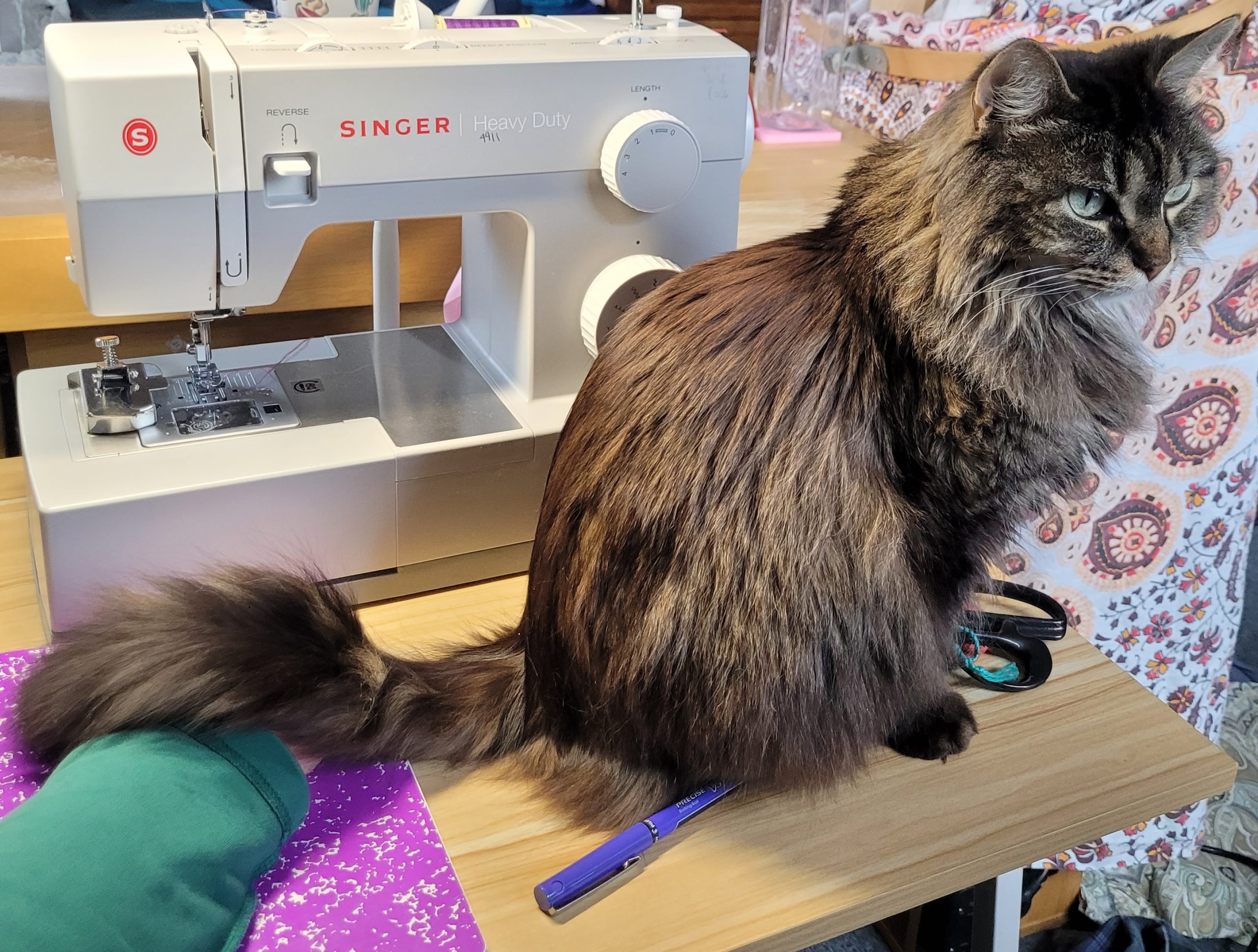
My cat blesses things by sitting on them. She thinks that’s perfectly appropriate, and doesn’t seem to care if there are other feelings on the subject.
She generates a fair bit of brain juice for me. That said, normally, having my center of attention occluded by a messy floof with gemlike eyes has not been high on my list of useful experiences.
Today, for a change, I worked around it. As soon as I really needed her out of the way, she moved off my notes and let me turn the page.
She must be feeling merciful.
Now she’s draping her tail over my notebook. I think this is the equivalent of a benediction.
I think cats are here to teach us to communicate. She has been communicating blessings & benedictions all this time, and I thought she was just getting in the way.
Like a missionistic preacher, she doesn’t always realize that her blessings and benedictions might be poorly timed, or even unwelcome.
She’s working on her timing. There is no power in heaven or earth that can persuade her she’s ever unwelcome.
Spoonies, you know how we sometimes drift through the day? If we don’t have an external demand shaping our efforts — kids, work, methodical spouse or housemate — then, for some of us, getting through the day can be a matter of bumping or lurching from one need to the next (use toilet, refill water, rustle up food, manage an appointment, negotiate for a ride, do the self-care things that require that up-front energy to make them happen, organize recovery periods from each of those activities…)
Yeah.
An old friend of mine reminded me that there can be a thread running through the day, in addition to the usual “what’s the next task for survival and coping?” —which, let’s face it, gets a bit grim.
We can suggest to ourselves what that day’s thread might be.
This can line our attention up on it, and make the day less annoying and, in some ways, more fruitful. It also comforts the brain & spine with a sense of supportive purpose.
That’s worth a lot.
I mull it over the night before and find myself with a short list. Next morning, I pick one or two.
This also gives my brain/mind the supportive sense of being cared for at the beginning and end of each day.
I picked two this morning, but I can only remember one: calm. Picking “calm” as the thread for today is particularly good, because there’s a lot to do before I get a molar cut & chiseled out of my head with hopelessly inadequate pain control this afternoon, and thinking about that is not calming, but it’s going to happen and it needs to happen. I get to figure out how to mitigate the horror and so forth, and stay in my skin (so to speak) while I prepare for a testing few days of hard recovery.
Because I chose “calm” for today, I’m taking the time to write this, instead of trying to cook soft food, drag out the vacuum, shower, and make tea & take my pills, all at the same time. And doing all of them badly, if at all.
This word for today is providing a good anchor to hang onto as anxiety and the foreshadowing of so much more pain tries to wreck my mind.
It’s not that things are going to be anything other than what they are. It’s just that it’s not actually the end of the world, the wound will heal, and I can weather that process. I remember that when I reach for the word and idea of “calm”.
This is the 4th day and the 4th word since that conversation. It has improved my ability to get things done that are time sensitive, and it’s helping a lot with getting through this testing day.
I used to do this years ago. It’s amazing what we forget.
I’ve already vacuumed and breakfasted, and did them well enough (my vacuuming kit is in the picture below. Check out the padded suede gloves to cut the vibration from the handle!)
Now for tea, pills, quick washup. This is do-able.
This is about the messy intersection of CRPS & the mechanical aspects of central nervous system dysfunction, and dealing with those effects.
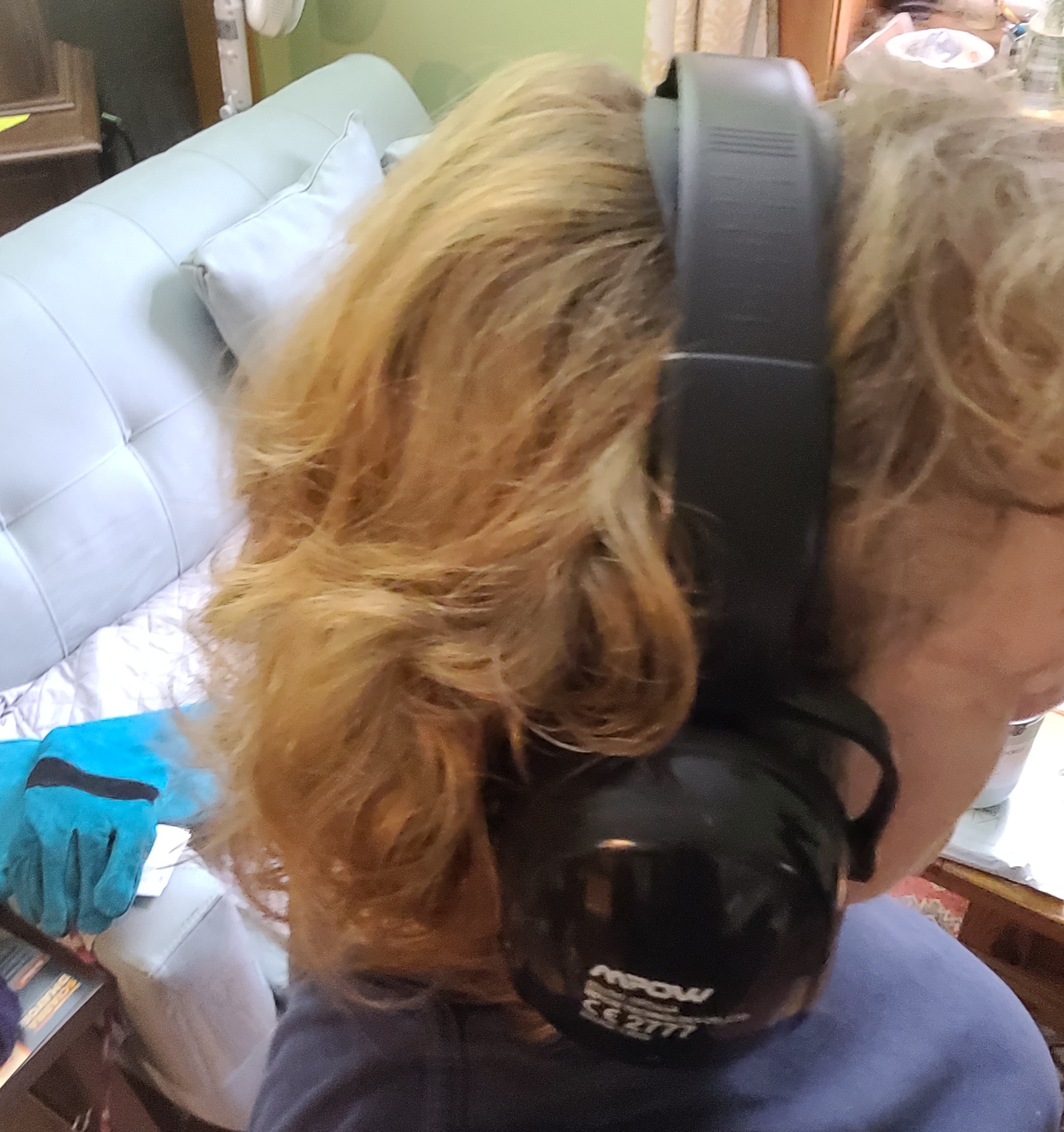
I’m writing through the waunnng, waunnng, waunnng of a ringing headache. I’m hoping that if I hydrate, urinate, and (carefully) ambulate enough, it’ll pass faster. We shall see. Meantime, I’ll do my best to pass on some useful info.
The brain and spine are supposed to float in cerebrospinal fluid. We are supposed to stay hydrated enough to keep those sensitive tissues from grounding out.
We have 2 kidneys – each one capable of filtering twice the water we actually need – as a practical accommodation for the fact that, throughout history, most water was filthy and needed lots of filtering.
We have 4 times the kidney power we need for a busy, messy lifetime. We’re supposed to use them! The more we use them, the healthier they can stay. They love to do their job.
When we’re properly hydrated, our brains and spines can float comfortably in their spaces. When they float comfortably, they have plenty of shock absorption protecting them.
Spinal care
Dr Faye Weinstein taught me an important part of brain & spine care.
I had too little cartilage in my knees, so I had developed the habit of dropping into chairs instead of using my legs to lower myself neatly.
She hated that. She visibly flinched, and one day she finally cried out in audible distress, “Stop doing that!”
I stopped doing that.
Just as she had predicted, my baseline level of misery became less.
Once I was out of the habit of dropping into chairs, then, when I did it again, it caused headaches and sometimes back pain (depending on my hydration, of course). I was no longer used to enduring this as part of my daily quorum of yuk.
That was (checks watch) over 10 years ago. My brain and spine, oddly enough, haven’t gotten any younger since then.
Yesterday (after a couple of days of being “too busy” to hydrate properly), while I was turning to admire something across the street (a boat or a building; I forget which)… I stepped off a step I hadn’t noticed. One step down, caught myself, barely stumbled, no harm done. Massaged my neck a bit, to ease the slight jamming on one side. In my formerly healthy system, that would have been that. Probably would have forgotten about it instantly.
But now is different.
It took 10 minutes for the icky feeling to set in at my low back and back of head. It took a little over 2 hours for the whole brain-fog and uncontrolled body pain to take hold. Chronic CRPS really is wired into the whole neurological system, and one of the hallmarks is how the spine takes on an anti-life of its own in the face of any signs of disrespect.
Clearly, my spine felt seriously disrespected.
Content warning – skip this description if you’re squeamish about pain:
We know that I have no effective pain control left to me, with genetic tweaks making narcotics disgusting (they make the pain worse, cause untreatable nausea, and trigger horrific mood swings), and mast-cell activation making NSAIDS unbearable (they cause a soft-tissue-wide inflammatory pain, making it feel like shards of hot glass are hammered into all my cells).
So, how to approach this?
There’s a super-concentrated lemon balm extract that helps calm down inflamed nerves. Lemon balm has been used to calm nerve inflammation & pain for, approximate thousands of years.
Since all the nerves coming out of my spine are feeling very hot right now, I’m taking that about every 8 hours.
Note: check this against your meds, especially with GABAnergics. Ask your pharmacist to check their standard herb-drug interaction charts.
Pain salve on my spine and up my neck before bed, and also on arms/ shoulders and hips once I tried to sleep, helped noticeably.
It was a rocky night, but I’ve been getting as much water down as my tummy will tolerate and, now that my kidneys have been flushed 3 times, the headache is noticeably easing.
Conclusion
We can’t be alert every second. Our senses are so distracting at the best of times. Finding ways to manage these impacts is unspeakably important.
Long-term pain patients tend to get self-concerned to a degree that could be obnoxious normally, but it’s a legitimate self-care attribute in a life where one wrong move or one wrong exposure can destroy weeks or months of work.
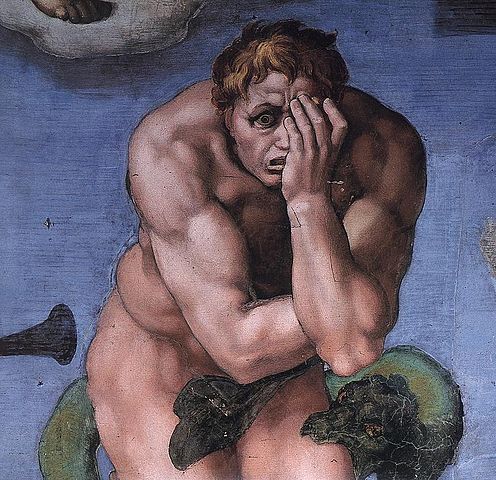
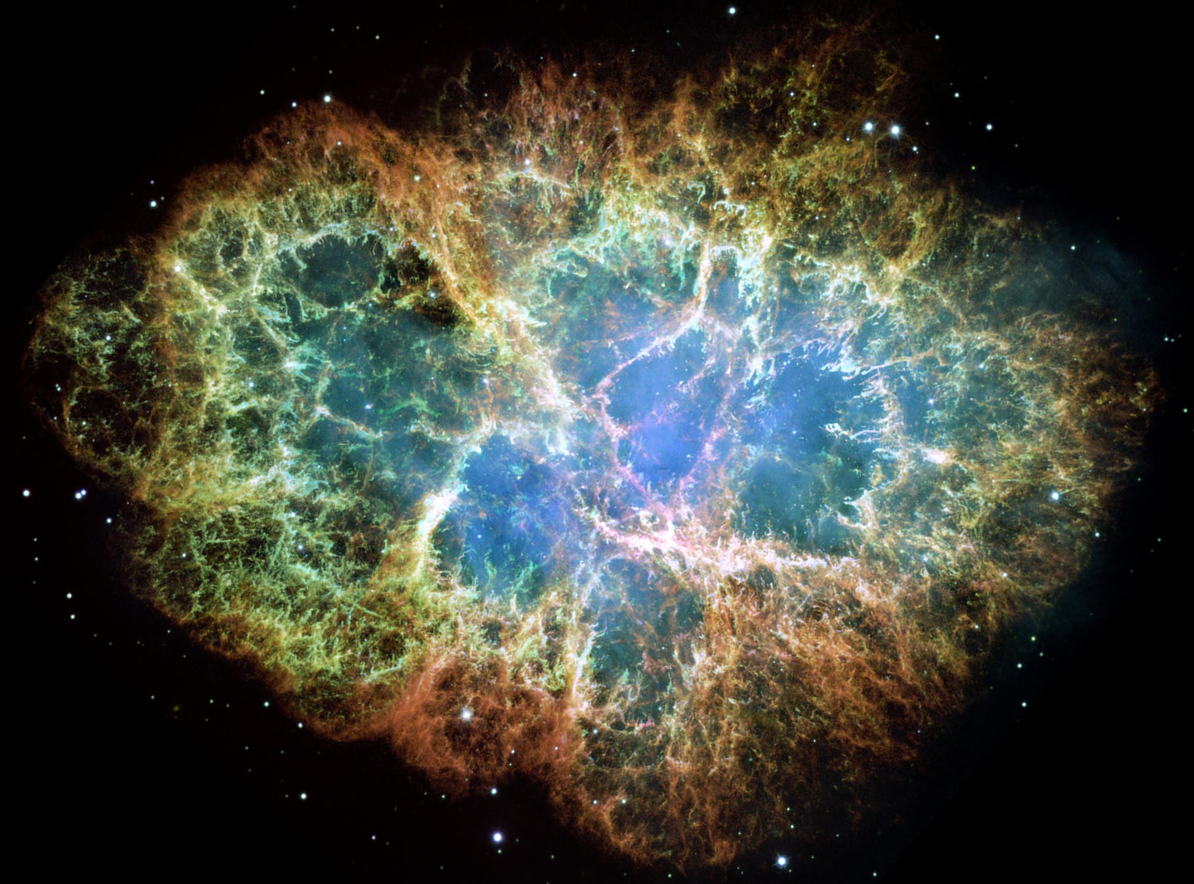
Image by neurollero on flickr, CC share-alike attribution license.
One benefit of this self-attention is learning how to manage and mitigate the problems that arise by catching them early, and sharing the info in the hope that it’ll do some other painee or their caretakers some good. We have to learn from each other. Nobody else is as qualified.
American Thanksgiving is the 4th Thursday in November. I had a gift that day – a difficult one, but I’ve been unwrapping it and wondering ever since.
My phone (which has my i.d. and my bank cards in it, and it provides my only internet access) disappeared on Wednesday evening.
While this is momentous for anyone these days, I have a disease-specific reason for being harrowed by it:
I listen to audiobooks to drown out my brain’s ongoing response to the ongoing pain, wonky signaling, and that disconcerting imbalance between what I need and what I have or can get to keep my environment safer for my body. To me, it sounds like screaming; I’ve heard others describe it other ways, as crunchiness or a kind of rattling wobble or other experiences entirely. My sensory processing apparatus decided that it’s a constant, ongoing scream from someone too upset to be the least bit self-conscious. Audiobooks and internet rabbit-holes are fantastic ways to manage this, partly by drowning out the internally-generated sound by the external one that I want to hear, and partly with the power of distraction.
Pain, reasonable & irreconcilable anxiety about how I’m going to get through anything from this day to the next chapter in my life, and the occasional neurological crumping (when my cognition shuts down and my coordination goes to hell, so I can’t make ideas or hold things) … all of these are best addressed by comfort and distraction. For me, books and memes and contact with absent friends are all good for that.
For Thanksgiving – when everything is shut aaaaaaaall day – I had none of that.
I just need a moment to process this.
It was a sad day. I couldn’t make or receive any of the usual holiday calls with people I love. I couldn’t go out to eat, and the previous evening I’d had to put back all the holiday food I had in my cart and get only what I could pay for in the cash I had on hand.
I had the sweetest visit from 2 friends (I explained why I had nothing to feed them with) who made it their mission to check on me twice daily until I was en-phoned again, and that helped me get through several hours much better.
Apart from that, I had little to do but hear the screaming, and wonder what I would do next year in a country that has voted for unprecedented chaos that, on the showing so far, is liable to shatter a large part of what makes it possible for me to live. The litany starts off like this: “The level of daily chaos to come is unbearable to think about. Every time I read up on the latest plans or appointments, it gets worse.” Not good for dysautonomia, among other things.
At the end of the day, I began to apply a bit of cognition to this experience (as you do) and realized something important…
The screaming was a whole lot quieter than it used to be; than it was, say, a year ago.
Last year, it was a lot quieter than when I first moved in here, right before the Pandemic. That was a tough time and the screaming was so loud I had to play the audiobooks and dvds at a fairly ridiculous volume to get the benefit. (The neighbor knocked on my wall a couple of times.) That volume might be partly why I now have ongoing tinnitus, a ringing in my ears that’s always at a different pitch and volume from the inward screaming. Clearly, my brain decided not to confuse the two.
Also, I noticed that my mind had actually recovered some ebb and flow!
There were times of day where it was natural to fix things, other times for doing something creative, times to sit and be quiet and times to move around and chat with the cats…
Natural texture and dimension in my mental activity, which the constant audiobooks had smoothed out and neutralized since they came back until that day of enforced quiet.
To the able-bodied and -minded, this is perfectly natural. It didn’t used to be for me. I had 10 or 12 alarms set throughout each day to tell me exactly when to do each kind of activity, because that mental texture had been quite, quite lost.
I got through 2 nights and a day without any alarms. I survived, and I also realized that alarms are jarring.
Who knew??
It turns out that my slowly-healing autonomic system has finally agreed with me that a stable diurnal schedule is a good thing to do, so I wake up within the same half-hour every day, without needing to be kicked awake by a series of 3-4 alarms.
The phone climbed out of its hiding place the next day. (Of course, I had already thoroughly checked there.) I canceled almost all of the alarms, except the one for feeding the cat.
I can make a short list for each day and get through it by riding those mental waves – and being kind if I can’t get them done at the very time that I wish to. It seems that being kind to myself knocks down a number of stress-related barriers.
I’m still digesting this new experience of the world. It’ll probably continue evolving over some time to come.
It’s not exactly normal to have such a significant level of recovery when you’re close to pushing 60 and sitting on 25 years of pain-related neurological disruption, including 20 years of dysautonomia.
So yeah, it was a sad day and not an easy one, but what a gift it turned out to contain!
I needed such a gift. My life is about to change drastically, and it’s up to me to work out which path to take through it. None of them are easy, but some could be more rewarding than others.
Can’t wait to see, not only how I’ll screw up, but what I’ll learn from it!
I’m going to try something new, as I navigate this tricky shift in life: asking for input and advice from people outside my head and its rabbit-warrens of associated ideas.
I know, wild idea… and for that reason alone, probably worth trying.
Current science states that there are no nerves that convey temperature or pain in the brain.
Well, not a normal brain.
Well… not as far as we know.
Since I’m terribly clear about the fact that my sensory experience of life has been extensively revised over the past quarter century of constant and increasingly centralized (that is, brain- and spine-driven) neurogenic pain, I’m going to sail sweetly right over that assumption and get on with today’s topic.
We live in the messy and extensive reality of the world outside of labs, scientific studies, and academic debates. Don’t worry about them – they’ll catch up eventually, usually in about 10-30 years.
Brain inflammation
Brain inflammation is one of those topics which patients and wholistic or ancillary professionals have been working with & evolving strategies for for years, but many clinical practitioners have trouble working out how it applies in real life, let alone how to work with it given current techniques.
Practical point:
This is not a dis of those practitioners, it reflects their environment of practice. Their training – and liability insurance coverage – focuses on what has been proven through multiple double-blind placebo-controlled studies, preferably on thousands of patients. Those take time, funding, lots of patients (which rare diseases don’t provide anyway), and a crucial position away from interfering with vested interests.
This is why clinical practice lags 10-30 years behind practical patient experience.
Where were we? Oh – brain inflammation.
One of my dear friends has been working specifically on chronic longstanding brain Inflammation, and it’s been validating as heck to see someone so smart, disciplined, and articulate work through that. Burny brain is, in my case, a sign of acute flare-ups, and talking the concepts over has helped me articulate my own situation.
And then there was Election Day and this lifelong historian & longtime spoonie saw my future get thrown on the flames.
NB: I don’t believe ideology or labeling, I believe that past performance is a good indicator of future behavior and, more importantly, that a written plan is a big fat clue about what to expect – and it’s not good for someone in my position.
After days of feeling staggered, my brain caught fire.
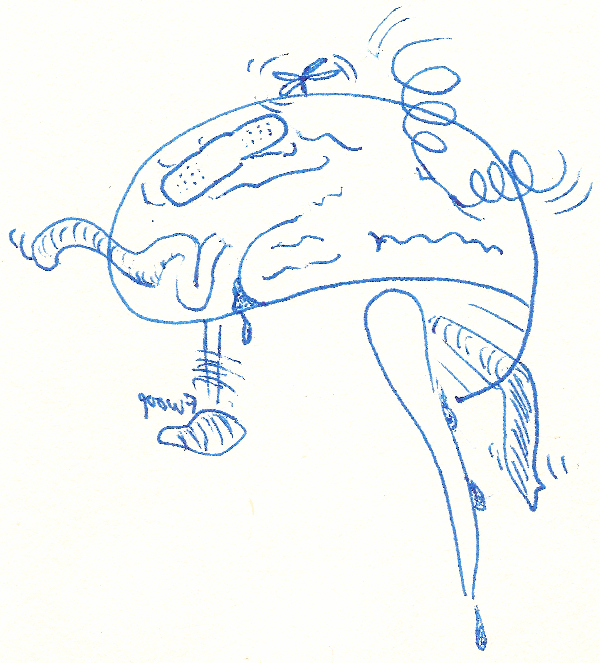
Inflamed brain, level 1
When a series of events, or one overwhelming and life-altering event, land in my life and awareness, my brain takes a few days to go into full bonfire mode. But it does:
Managing that
I depend on my well-established habits around self care and communication to mask my real state and continue to function, but it’s not reliable.
I crank up my vitamins, especially B complex, and do what it takes to get enough protein in. This is tricky, because eating is hard work and few things taste ok.
Keeping a stable schedule is important, to avoid feeding into the general autonomic instability.
Stabilize, stabilize, stabilize.
Since I lose track of time constantly in this state, I have to double-check whether I’ve taken my meds on time, and they’re one of the most important ways of stabilizing that there are.
If I had a bathtub, I’d take baths with vitamin C (20 min very warm; lie down on the C-powder as the bath fills) and then Epsom salt (20 min not so warm) then take naps – a fantastic 1-2-3 recovery technique that I really miss having access to. I recommend it highly.
Level 2
Once the flames get lower and my brain feels more like heavy coals, I know I’m making progress, although it doesn’t feel great:
This feeling of roaring combustion comes with big, fragile feelings. I limit contact and focus hard on noticing when & how I’m functioning, and grab tasks off the to-do list that relate to that.
So, laundry was a significant part of my weekend: no brain required, little physical effort, quick reward, and a huge improvement in my life. Now I’m dressing off the clean laundry pile rather than my drawers & closet, because I can’t focus on folding & putting away, but that’s okay.
More veg today, partly because I was finally hungry for them, and also because protein was too difficult.
All the olive oil all the time.
Level 3
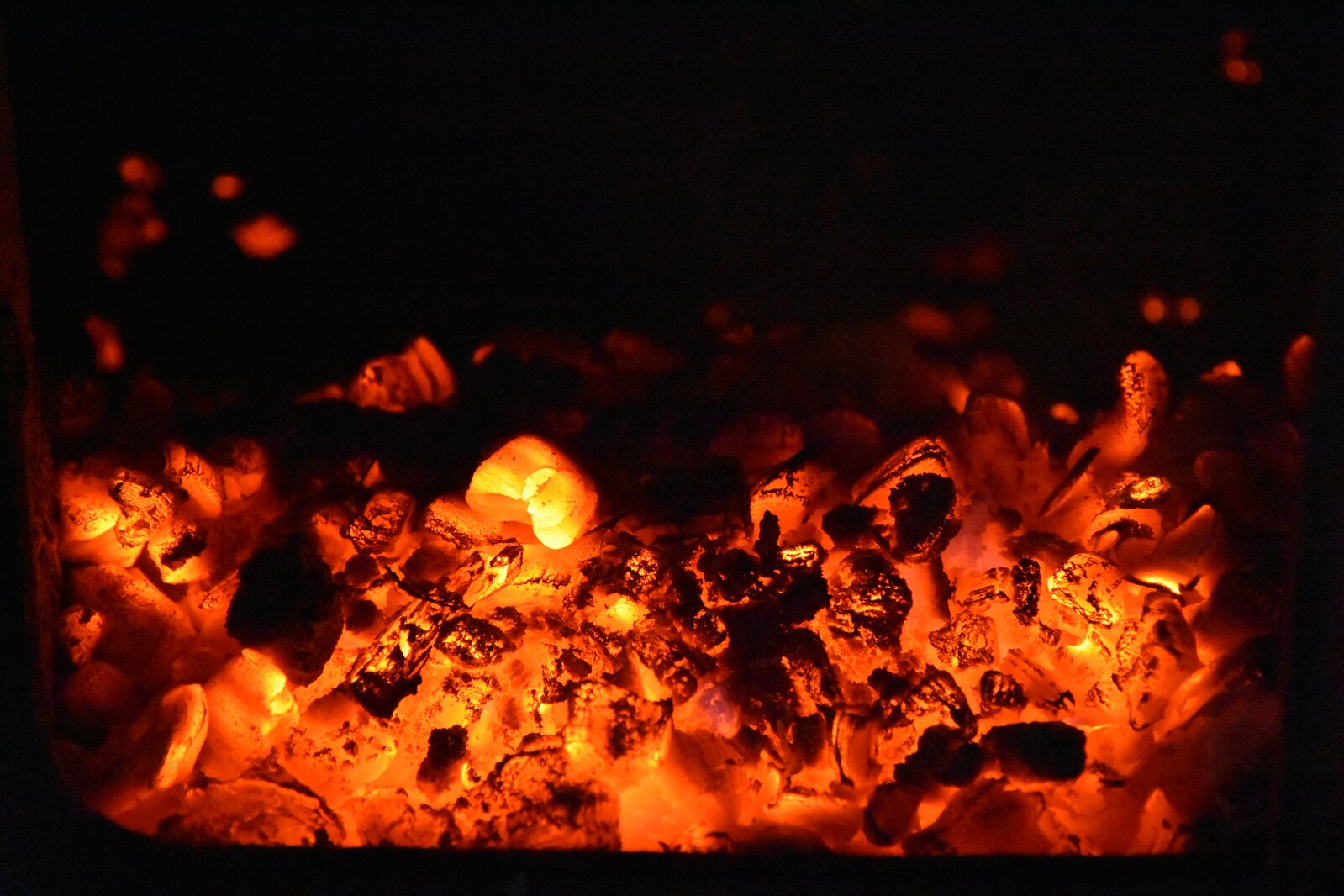
This is how my brain feels today, more or less:
Honestly, this still sucks beyond belief, but it is improvement and improvement is good. I could eat in portions larger than half-cups and palmfuls, finally.
Today, I wanted to make some calls about getting something fixed, but that wasn’t possible – I kept going blank and stumbling into furniture when I tried (burny brain comes with worse coordination).
Instead, I went and got a ball of yarn to finish a project, which felt good and freed up more focus; with that, I dropped in at the law library and learned how best to approach an issue and then did some online research with that in mind. Now, when I do make those calls that i couldnt make today, I’m actually going to be much better prepared. Still not possible, but it will be at some point.
I wanted to make progress on another administrative task (paperwork, urgh) but my friend has taught us that, even though the clock keeps ticking, when the inflamed brain says “no”, it’s useless to argue. Let it go and rest that brain.
So I put on a movie. Then a dear old friend called out of the blue and we enjoyed reconnecting. Very good for the brain!
Level 4
With any luck, tomorrow my brain will feel more like this, still raw and hot, but somewhat contained, and with more cool spots:
Unless something else happens to shake my foundations. You never know. But still, I hope for continued improvement!
If you’re having trouble understanding brain inflammation as a physiological thing, write a query in the comments and I’ll explain…
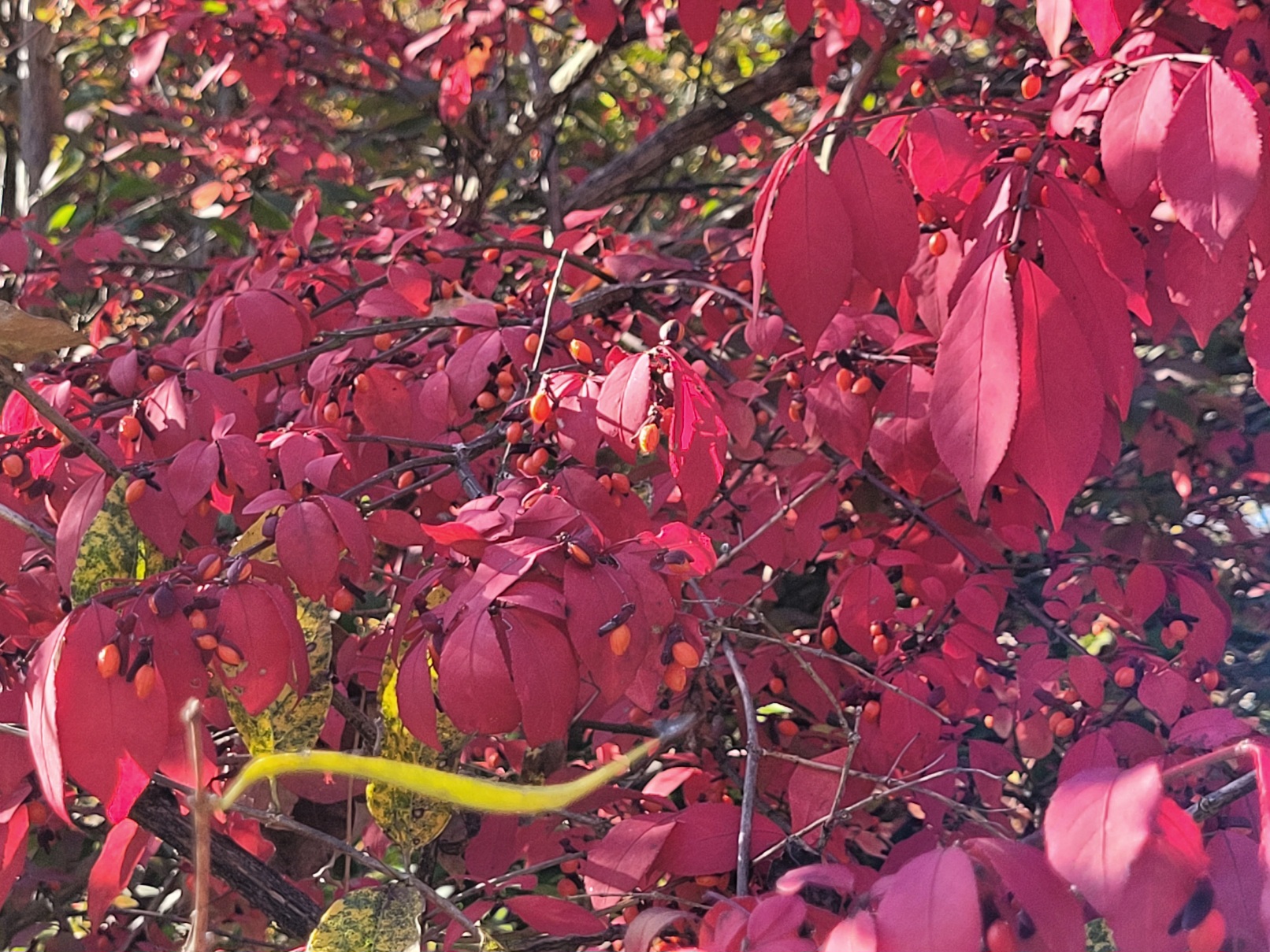
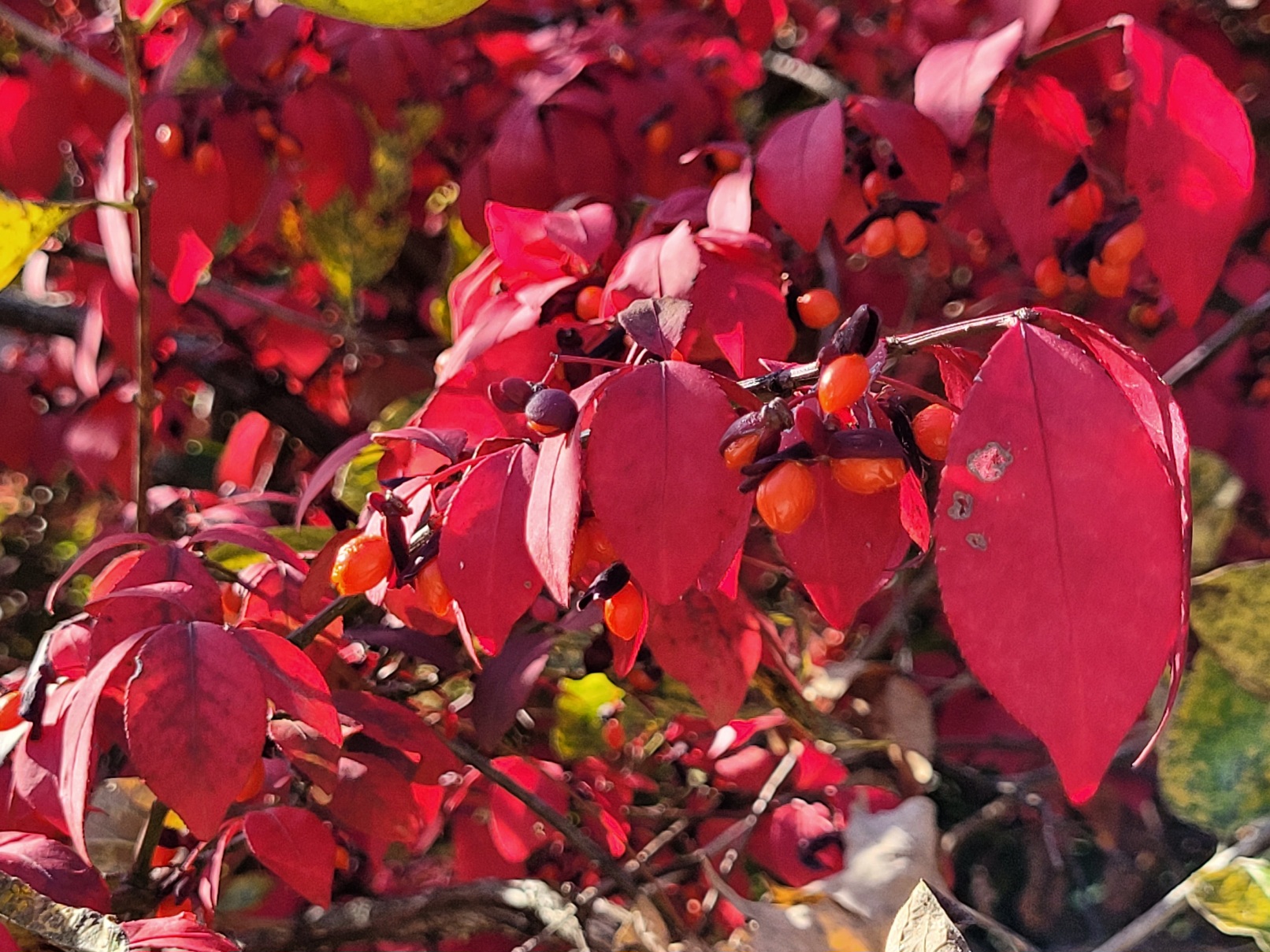
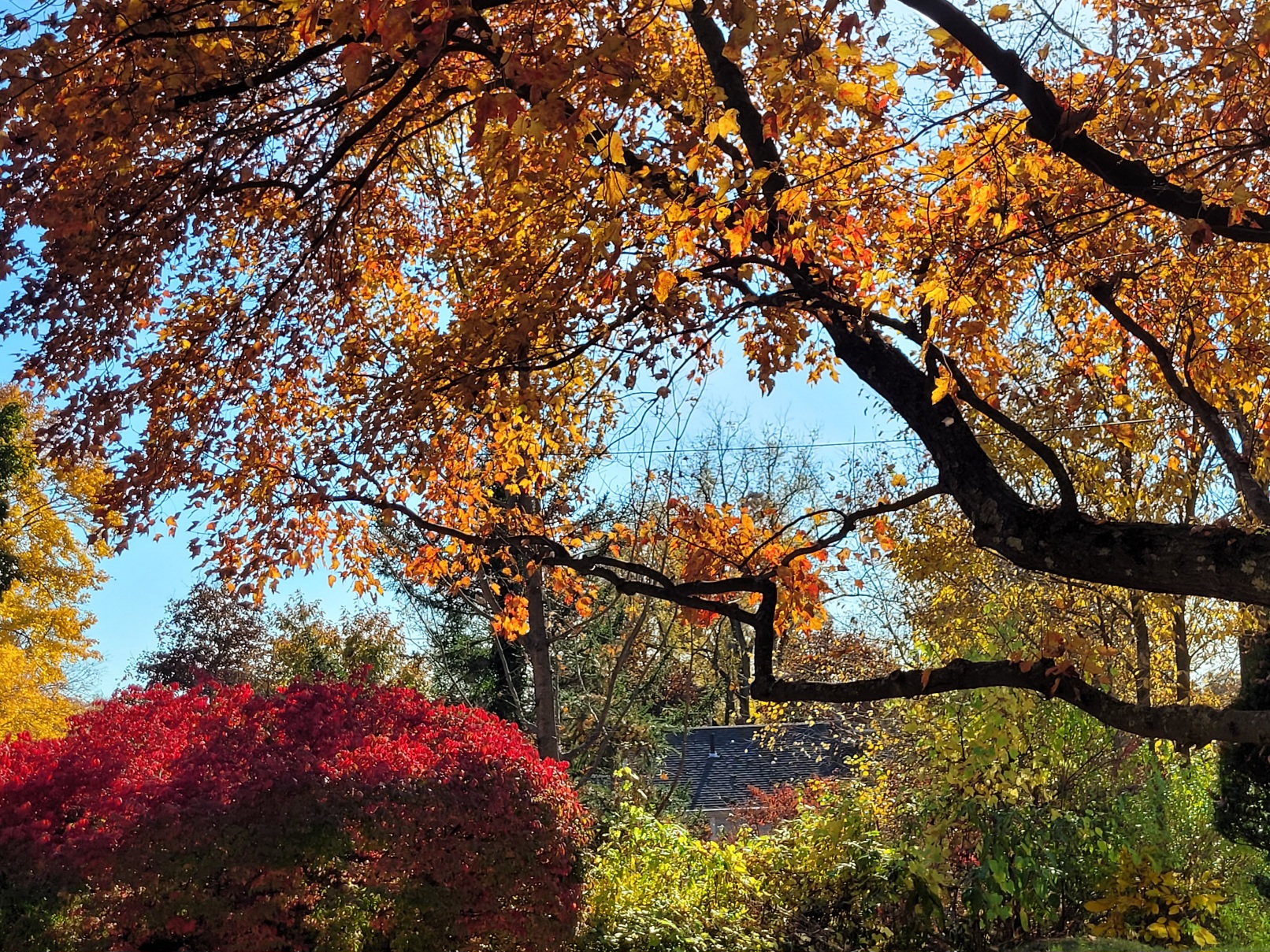
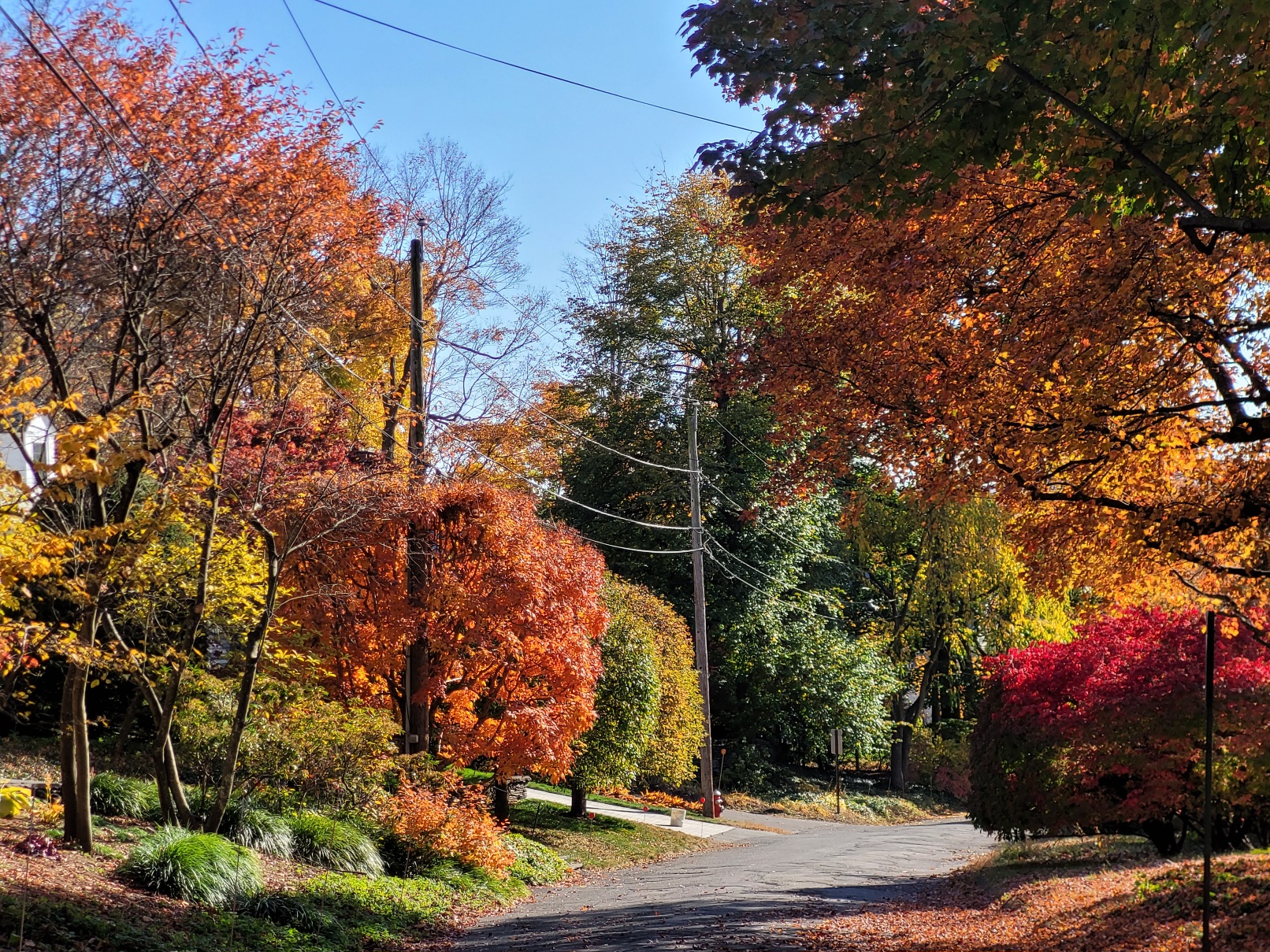
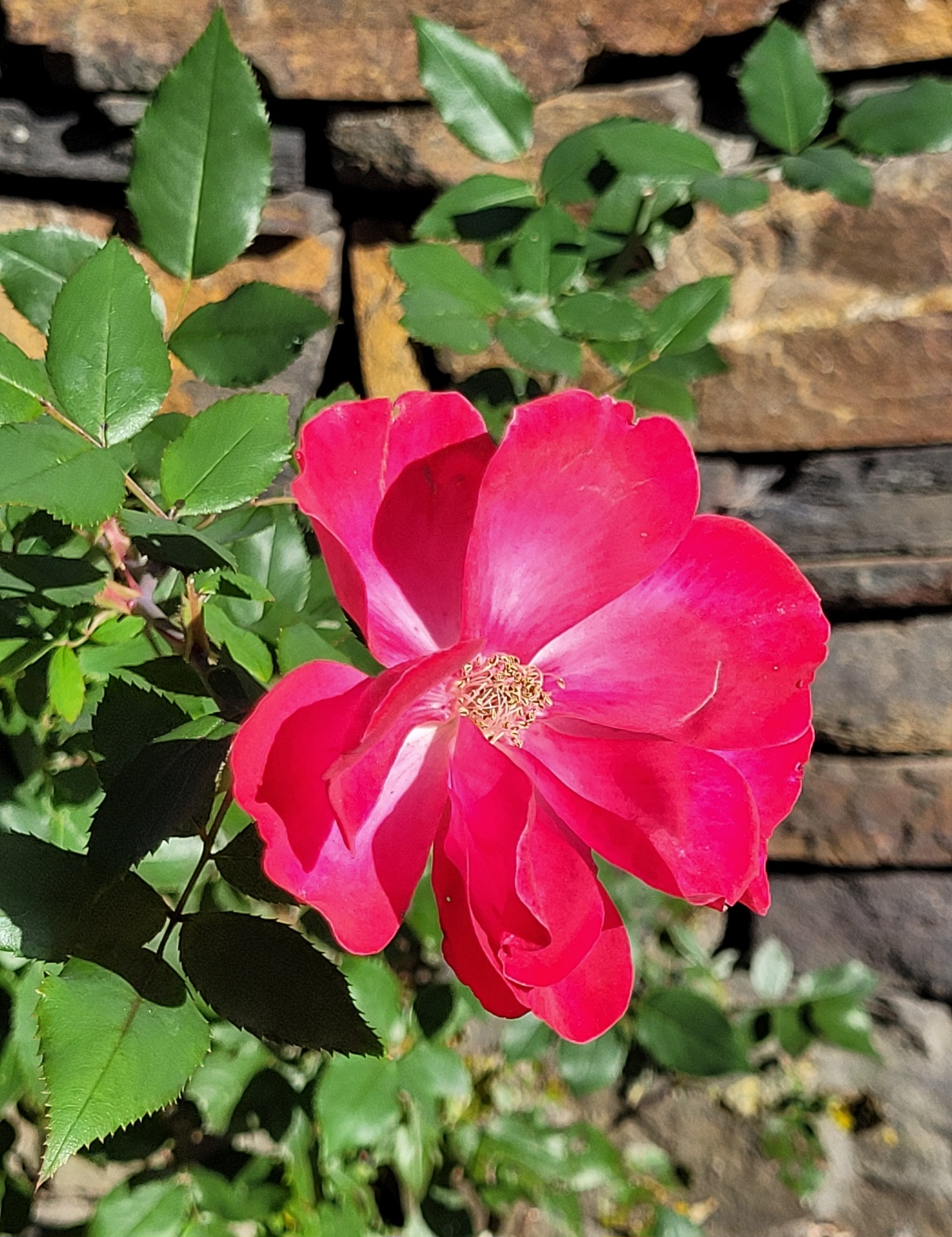
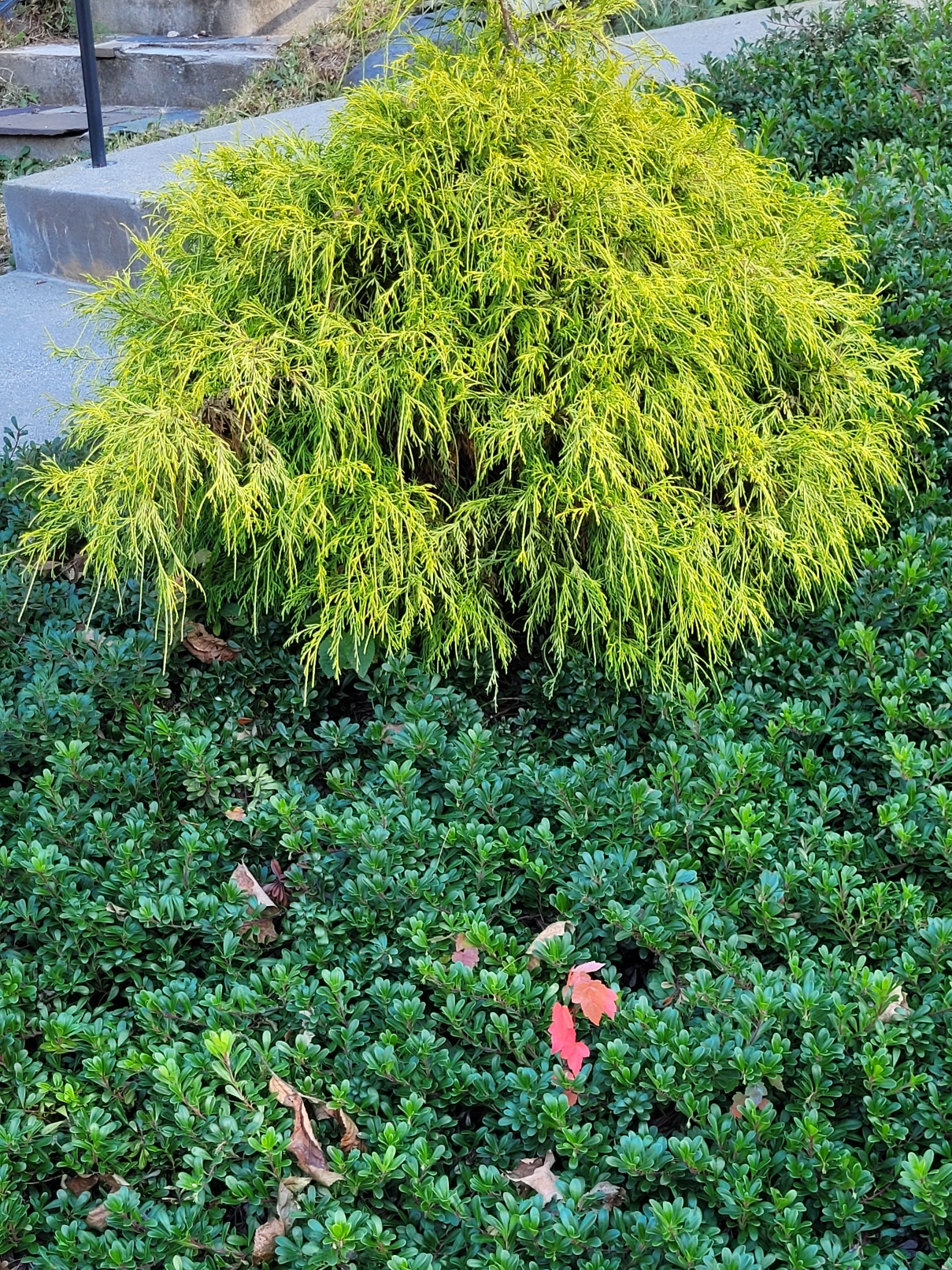
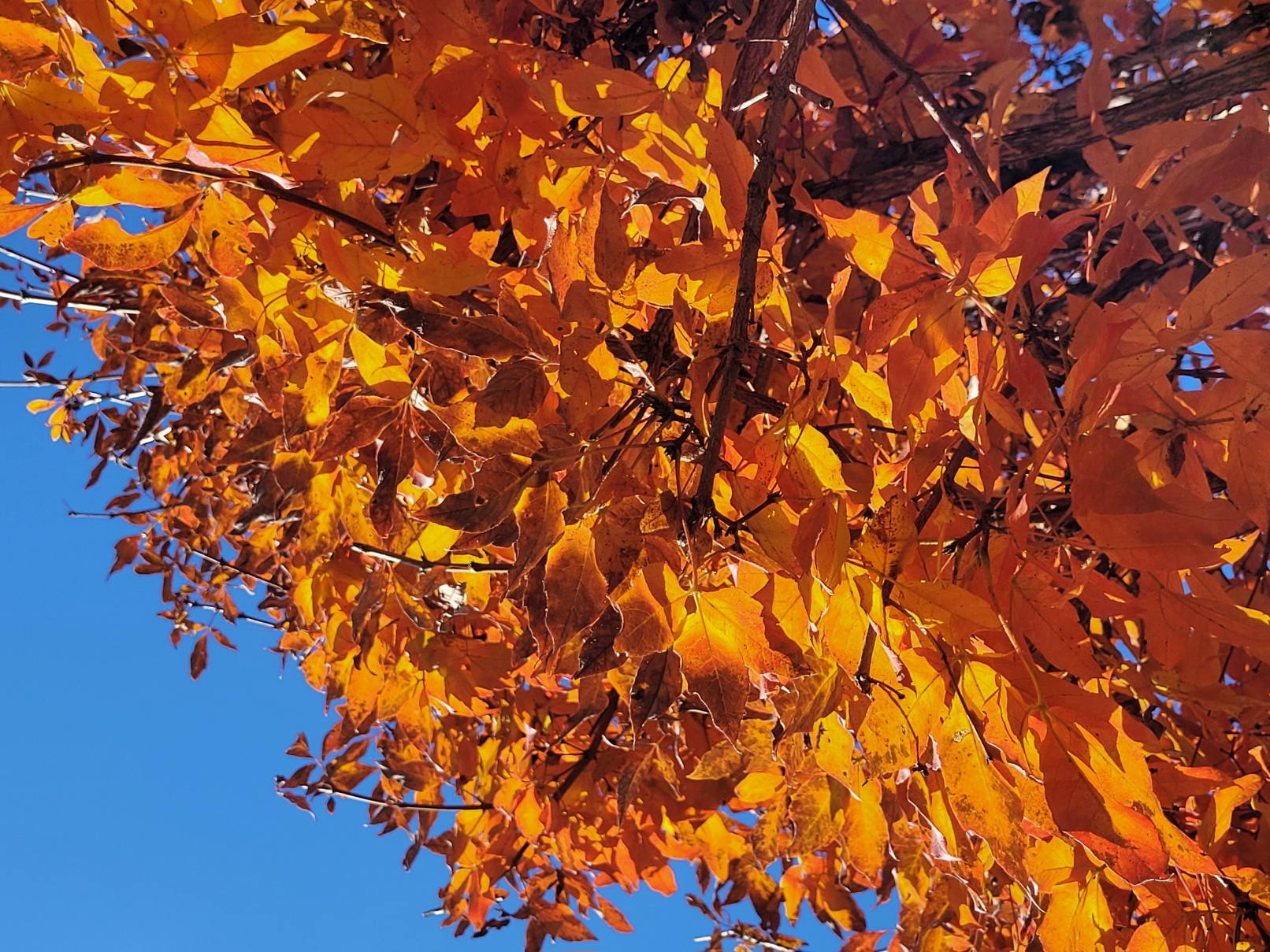
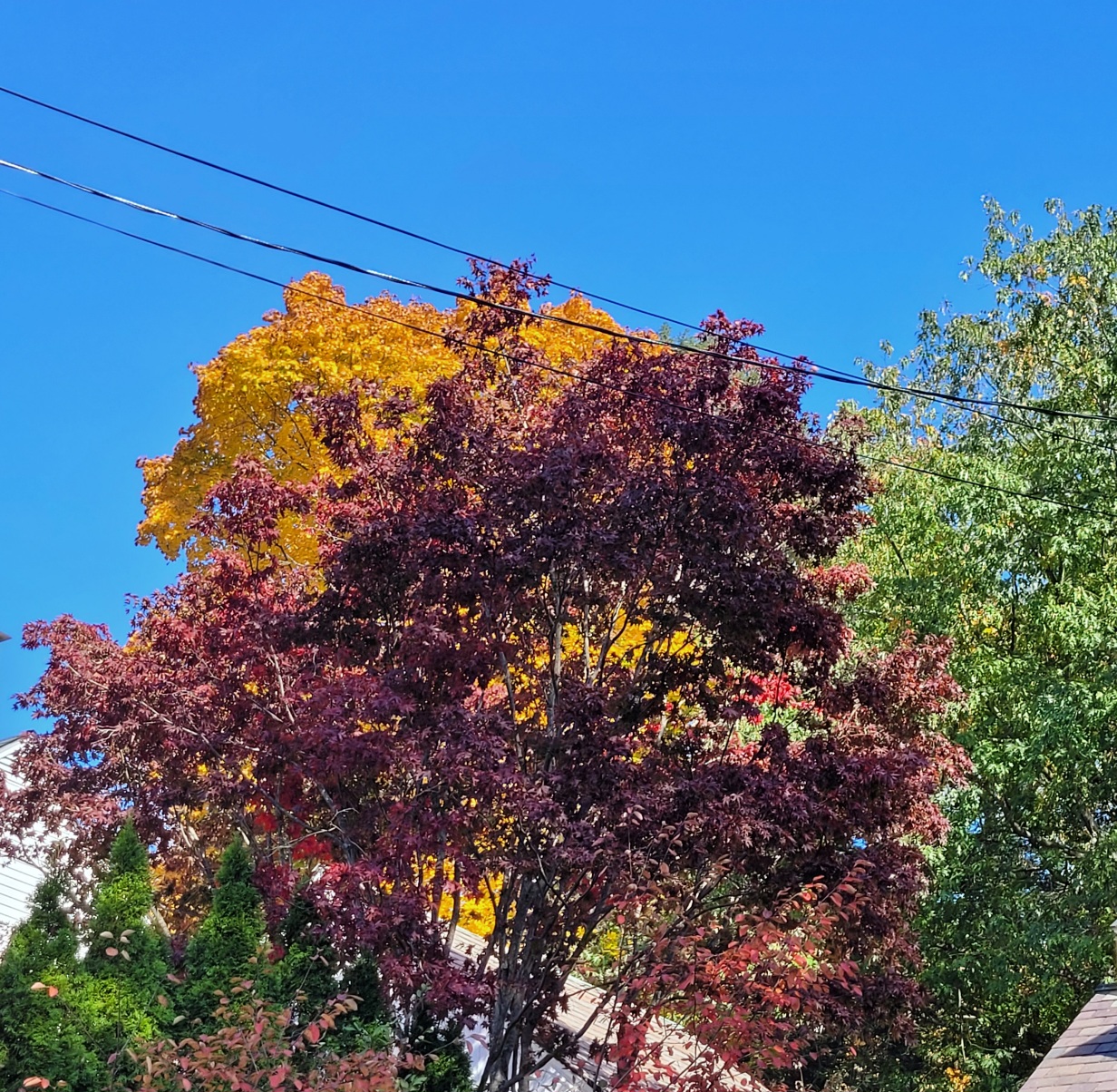
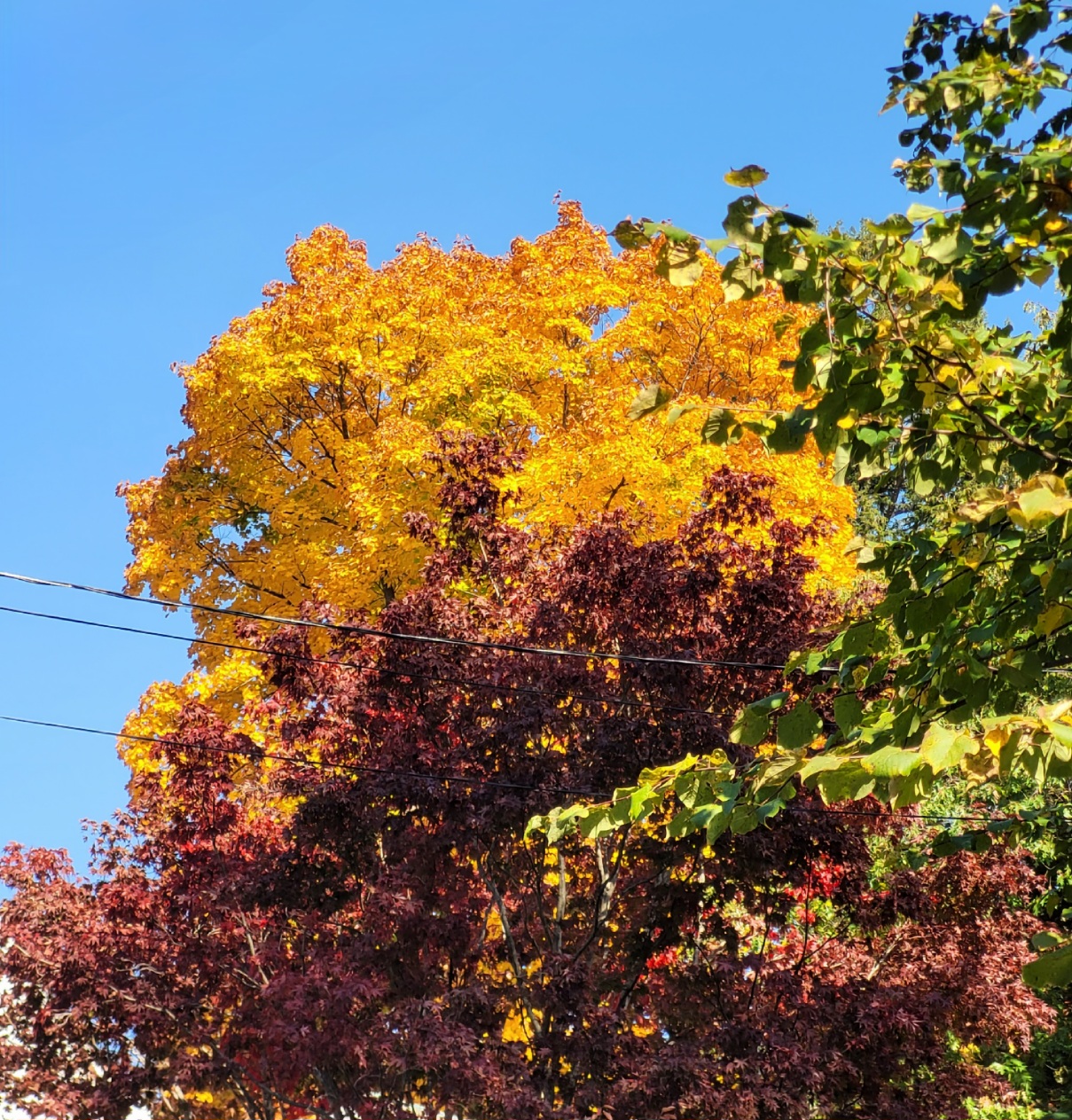
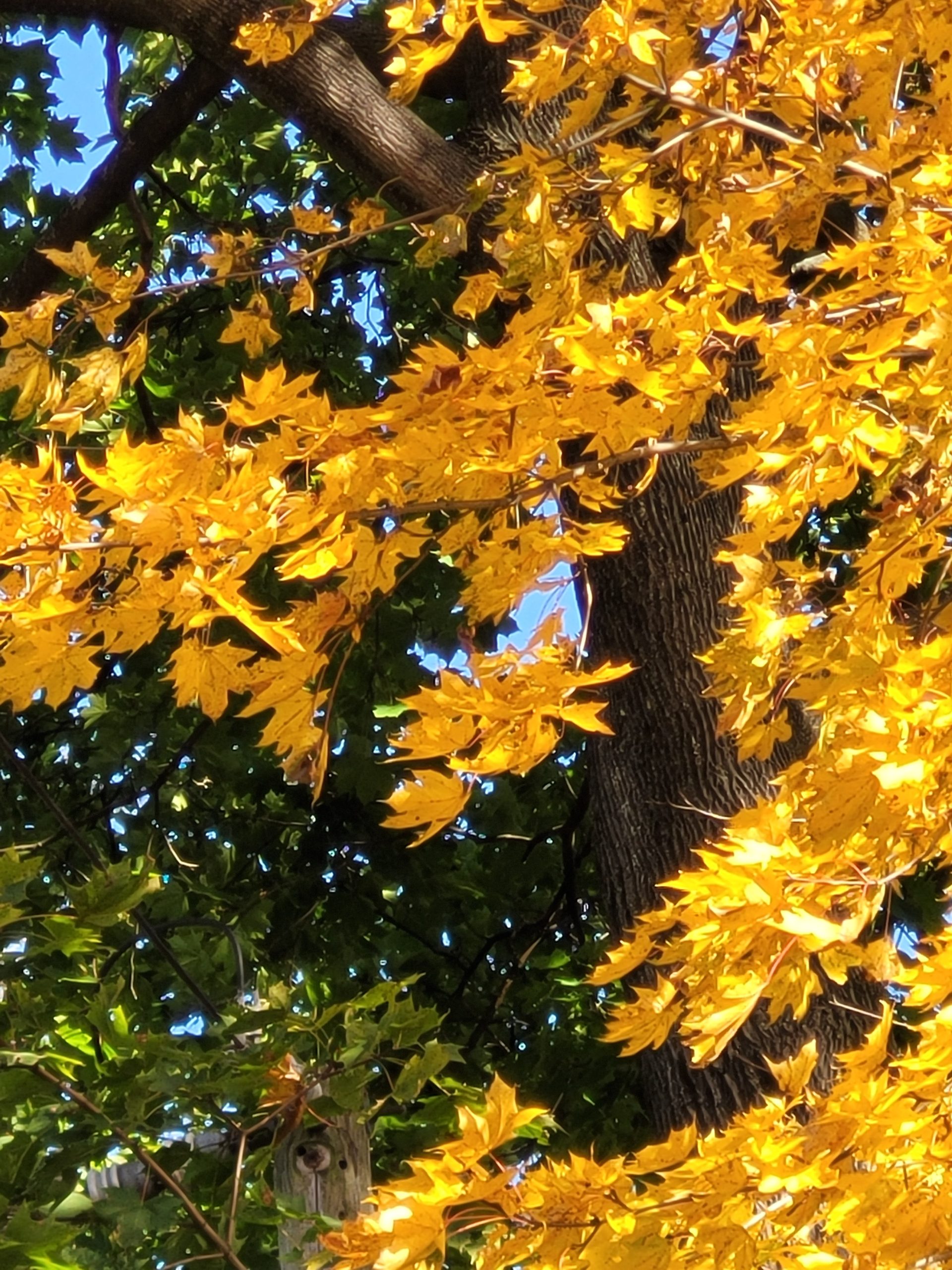
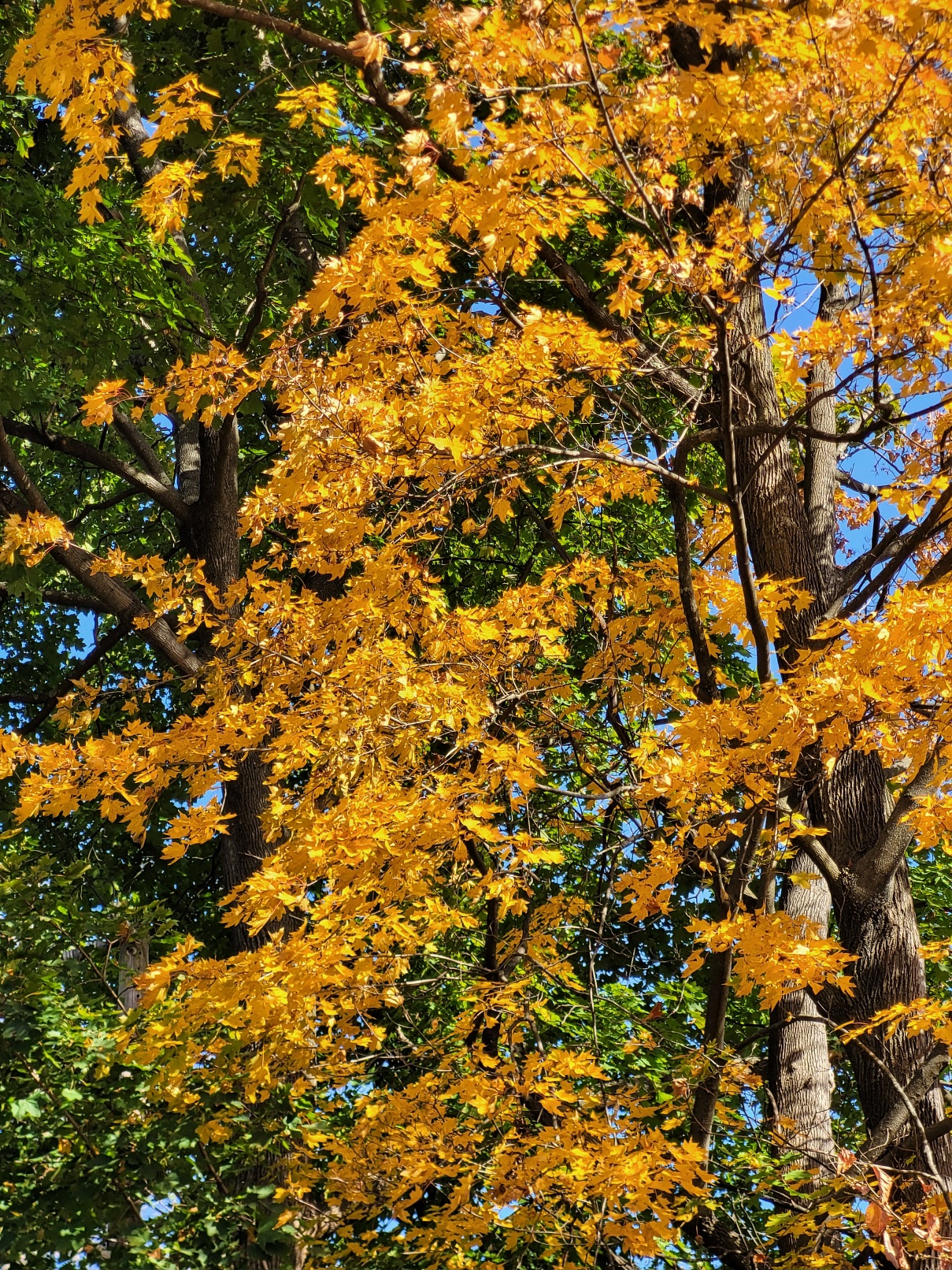
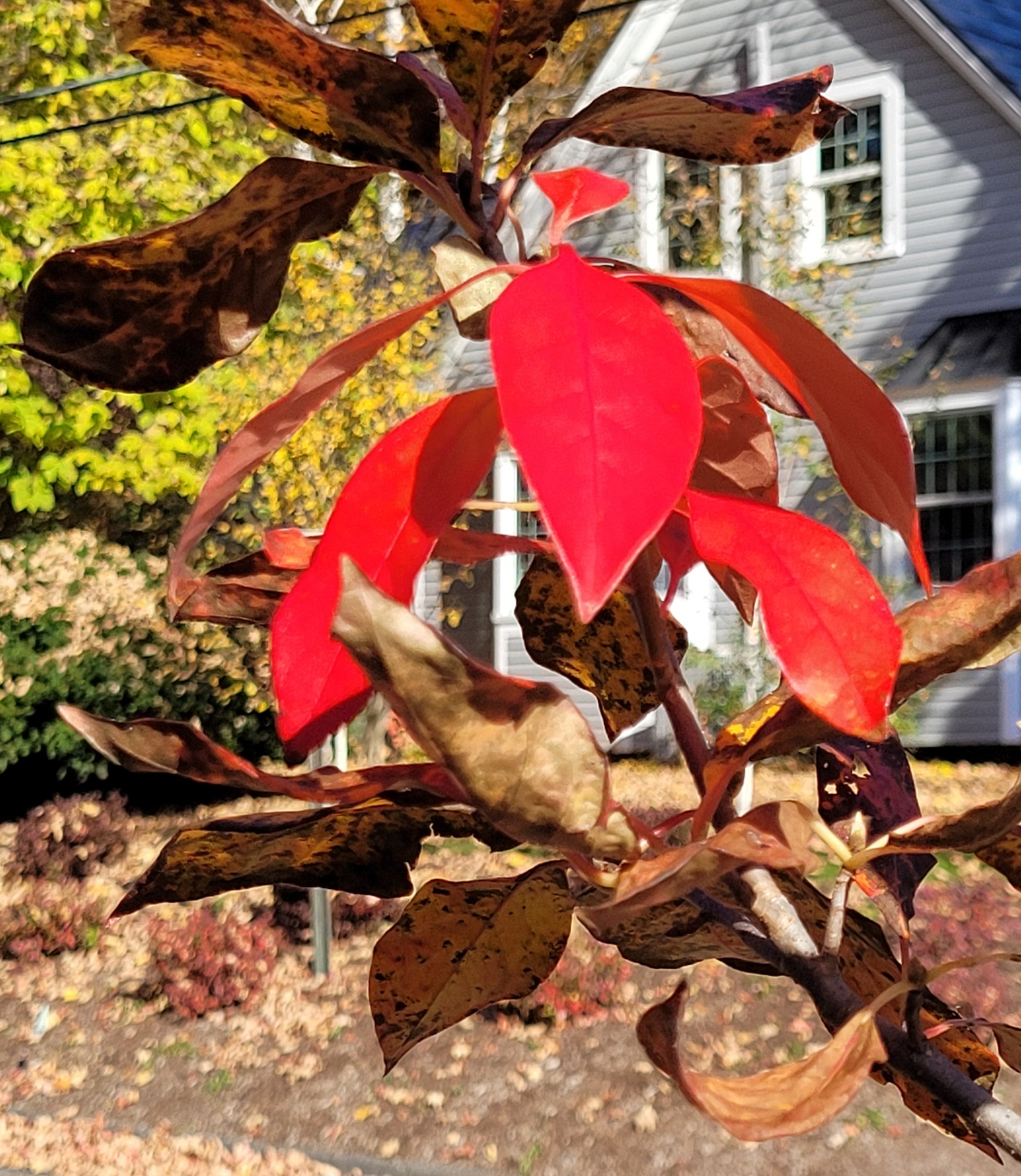
I got into the habit of sharing photos from my outings with a bedbound friend of mine. She left this world years ago, but I still like taking pictures of things I find beautiful, and I still want to share them. My social media tool is buggy about pictures, so I’ve given up on sharing images that way. (Nope, I’m not taking on another platform. Not with this pile of curds in my skull.)
Then I remembered that I have a blog… 🤣
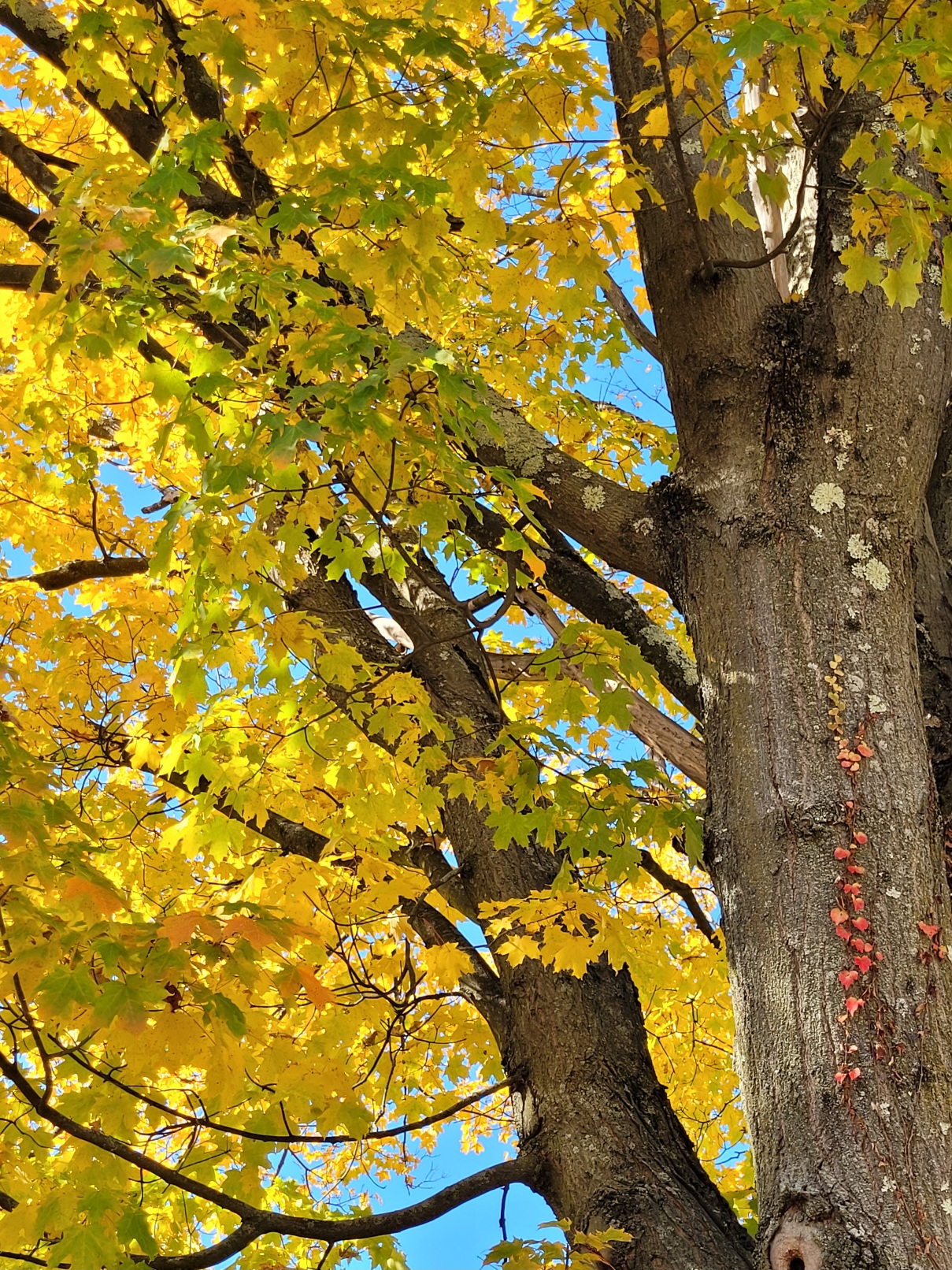
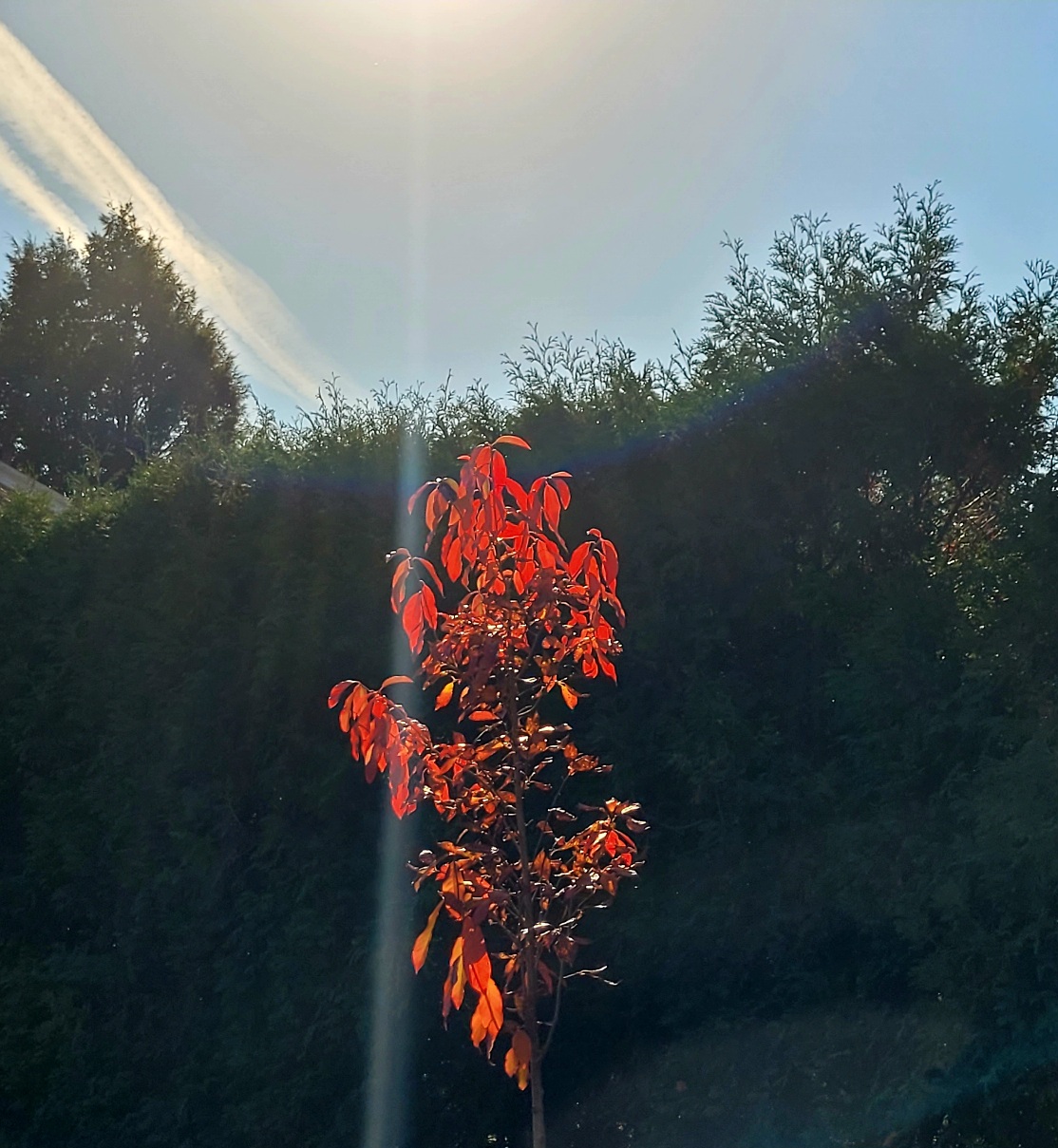
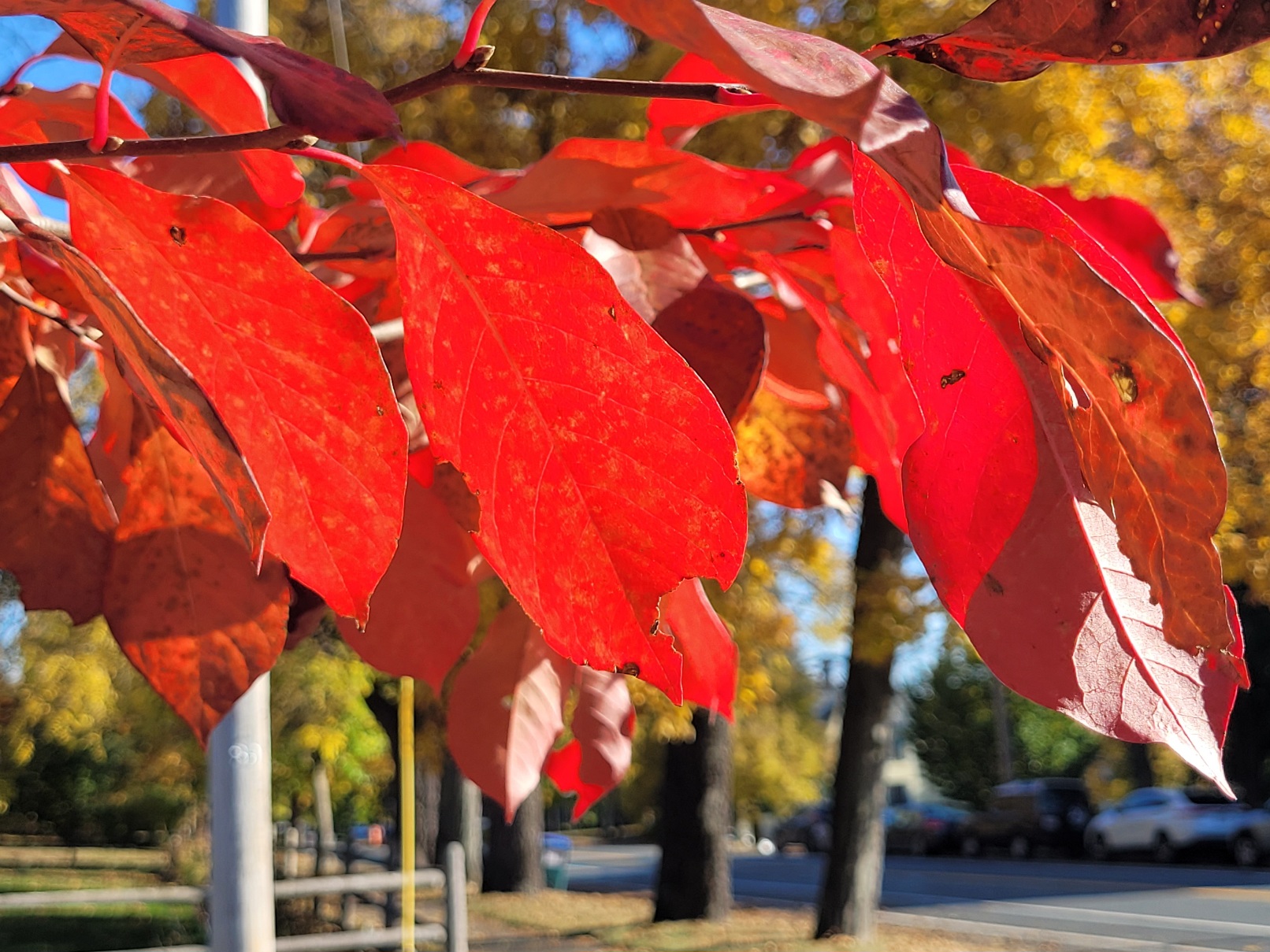
So, here’s today’s crop of images, from a pretty corner of the world that’s now experiencing Autumn.
Note: no filters applied, except for the 1 that’s noted…
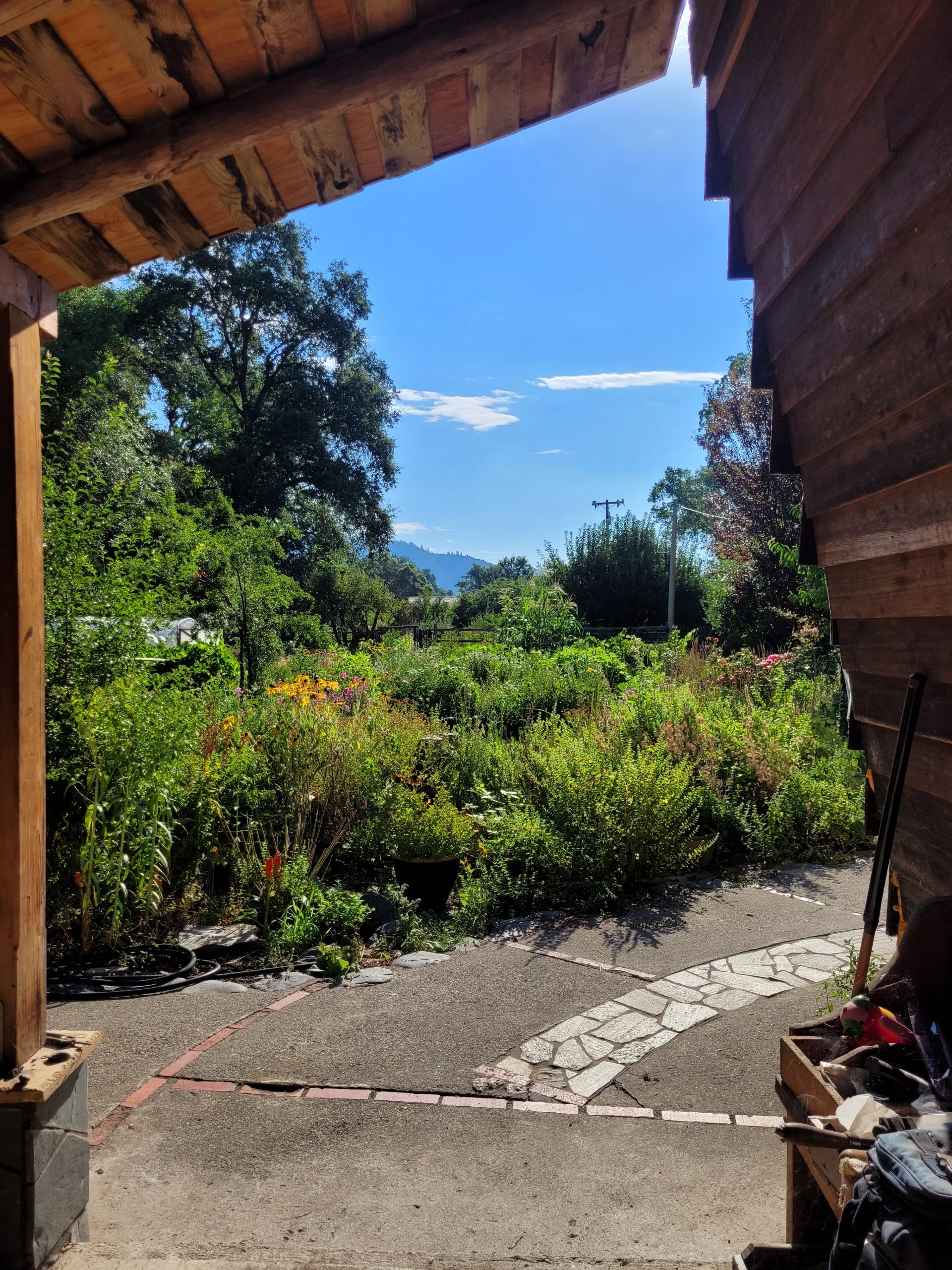
Applied a filter to reduce the sun-glare and put the colors back, so you can see what I saw
I absolutely love soaking in the colors here. Thank you for joining me.
I wrote the start of this for a fellow spoonie today and realized it’s a good starting point for a subject most people find overwhelming: reading medical science when you’re starting off as a non-scientist.
The article I cite first is a good example to start with, because it’s written well and has passages of clear English to work with. So…
I suggest reading the abstract and introduction. After that, just skim the first sentence of each paragraph, since (in science writing) that tells you what the paragraph is about.
If the first sentence makes no sense, skip that paragraph.
If you can figure out the first sentence, glance at the rest of the paragraph to see if there’s any more to glean. If not, move on..
It’s a skill
Reading science is a skill, and skills take time to master. That’s expected! Share what you glean with your doctor and ask them to help you understand it better.
Honestly — this isn’t to puff myself up, it’s just the nature of patients to dis themselves, so hear me out — if you can read my stuff and make out half of it, you are plenty smart and literate enough to start reading science. It’s just work and time, and the time will pass whatever we do, and the work will get easier with time. We just have to take care of ourselves and pick our time, when we’re chronically ill.
Using the right amount of honey
Doctors might give you attitude about comparing your Google search to their medical degree, but that’s not what you’re doing: you’re studying up on your condition, which is wise, and you’re expanding your info base on this thing that has imposed on your life, which is survival.
So, feel free to correct them sweetly, and don’t be afraid to pour some admiration on them if it helps them to re-focus on your information-gap.
The point is not who knows more overall. That’s not in question. When you talk to your doctor, you’re talking to someone who had to memorize, for instance, the Krebs cycle (here’s a partial explanation: https://www.medschoolcoach.com/the-krebs-cycle-mcat-biochemistry/) — so, yes, they have a depth and nuance of knowledge that’s nearly impossible to replicate without going to medical school.
They like having that acknowledged, because they take a lot of painful flak for not knowing everything about everybody’s illnesses all the time, and they need to know that you know what an effort they made to be able to work as a doctor.
So, it’s good to acknowledge that enormous effort.
Then they are usually able to hear you when you clarify that you’re not arguing with them, you’re trying to improve your understanding of this thing that affects you so profoundly. You trust them to help because of their knowledge.
Trust. Help. Knowledge.
These are keywords because they are core professional values for most doctors.
They’re important to acknowledge, and great to invoke and rely on.
That said… if you can’t rely on these characteristics in your doctor, even after you tell them that that’s what you need, then it might be time to find another doctor if you can. These core values are far more important than whether a doctor has good social skills or a good handshake.
When all is said and done, guess who has to live (or not) with the outcomes? It’s you. While the doctor is the subject-matter expert on the medical info around your condition, you are the subject-matter expert on being in your body and dealing with the fallout. There’s a degree of respect that should go both ways, though modern practice makes that hard.
The key to reading science is realizing — or at least, going ahead as if — you’re perfectly capable, and just need to practice. Science is written by humans, and you’re a human too.
1. You are a perfectly sensible person. If you’re reading this, you know how to read (or access translations from) English; also, you have access to a whole world of dictionaries. MedlinePlus is especially helpful in explaining concepts and helping us learn to read medical stuff.
2. Not all scientists can write well in English, and none of them write in English all the time. That’s okay. They went to school for a long time to get extra vocabulary and learn to do what they do; good for them. They’re still people, and they have to write in English at least some of the time. That’s where you can come in.
3. You can read the English just fine. Trust yourself and take time. With practice, you can learn more lingo over time, and get better at reading more science.
Just work from what you can understand now, and let that grow over time. You’ve got this.
Choosing credible sources
While you’re learning to read science, start where you can and work from there. As you get more confident and your understanding grows, you’ll learn to be choosier.
The gold standard for science info
When learning how to assess science, you’ll hear a lot about placebo-controlled, double-blind studies and that method is often important. This method of science gives us more reliable statistical probabilities about whether something will work in a certain situation. The statistical probabilities become reliable when several thousand people (“subjects”) have been tested, probably over many different studies.
With rare diseases, this is obviously pretty unlikely, so we have to work with less scientific certainty. C’est la vie.
Statistical probabilities have more limited value for patients than doctors, because we’re individuals, not pooled data. There used to be a phrase used in medical school: “Statistics mean nothing in the case of the individual.” This has gone by the wayside a bit, but it’s still true.
We may have to cast our nets further afield, because we’re looking for clues that might help us, personally. Be aware when you’re doing that, and put those science reports in your mental “hmm, maybe” folder.
I showed a case study that had a marvelous impact to one of my best doctors. He said to me, “If I could put that effect in a bottle, I would. It worked for that person, and we have no idea why. We do know that it doesn’t work for all these other people. Everybody’s different. Figuring out how to apply one thing to help a lot of people is our holy grail!” Lloyd Saberski, MD.
And that’s why doctors rely on the pooled data gathered from the scientific method. They want to help as many people as possible with each thing they try. Otherwise they fear they’ll spend too much time chasing rainbows.
We patients have to find our own rainbows, just as we have to count on our doctors to keep an eye on what’s statistically worth trying. It really is teamwork, and we both need to do our jobs.
What’s peer review?
Before you give a study to your doctor, it’s worth checking if it’s from a peer-reviewed journal. Don’t expect them to put too much stock in it otherwise.
Peer review means that other people in related fields have checked it over for sanity and validity. This is important for us patients, as well as the doctors who rely on the information.
You can Google whether the journal your article was first published in is a peer-reviewed journal. JAMA, BMJ, and the Lancet are all reliably peer-reviewed.
The value of literature reviews
Then, after a fair amount of studies have been done on a topic, there’s usually a literature review. This is when a qualified scientist takes a close look at all the studies, throws out the ones that were badly designed or poorly run (because bad technique creates bad data. “Garbage in, garbage out”) and writes an overview of what the current good science says.
They also discuss the strengths and weaknesses in the data, and suggest where future science funding could go, in light of the science so far.
Literature reviews are wonderful places to improve your knowledge of your disease/condition, expand your vocabulary, and get a lot better at understanding what goes into the science on your condition in the first place.
For instance, it used to be widely believed that most people with Complex Regional Pain Syndrome had had traumatic childhoods. (“Blame the parents” LOL.) There was a literature review done on about 30 years’ worth of studies, and it turned out that almost all of them were so badly-designed, poorly run, and calculated with so much bias, that nearly all of the studies had to be thrown out!
This taught me very important lessons:
– Just because most people say it, doesn’t mean it’s right, even if they should know better. This is an excellent attitude to have while reading science.
– Methods matter. You’ll learn over time how to sense whether the methods used are appropriate to the topic studied. The wrong method can lead to truly bogus results. The method has to fit the material.
– People lose their minds when they think about pain, as well as when they think about childhood trauma. In practical terms, this means I have to approach all normal (non-CRPS) people’s reasoning about my condition (which is characterized by relentless agony which a non-CRPS’d brain cannot even conceive of) with compassionate criticism. They do not know what it’s like, nor how to live with that pain and still think rationally. They’re not able to know. I don’t want them in a position where they do know, because that’ll mean their lives are as battered as mine is.
Therefore, every word they say has to be filtered through my awareness of how their minds get lit up by unreason, when they think about my pain. This, believe it or not, is perfectly natural. (Look up “amygdala hijack” for background on this mechanism.)
I survive because I’ve learned to substantially displace or ignore one of the most powerful primitive signals in the human body. That isn’t natural, and nor should it be.
These scientists mean well, without question. However, their logic is necessarily fractured when thinking about this, because they lack my tools for facing it. I need to dig into their data and methods before I can buy into their conclusions.
That’s good to know!
The conclusion of that literature review? CRPSers are likely (not guaranteed) to have had relatively eventful lives. Whether the events were traumatic or wonderful wasn’t relevant to our probability of developing CRPS.
In other words, we live in interesting times!
Where to find science to read
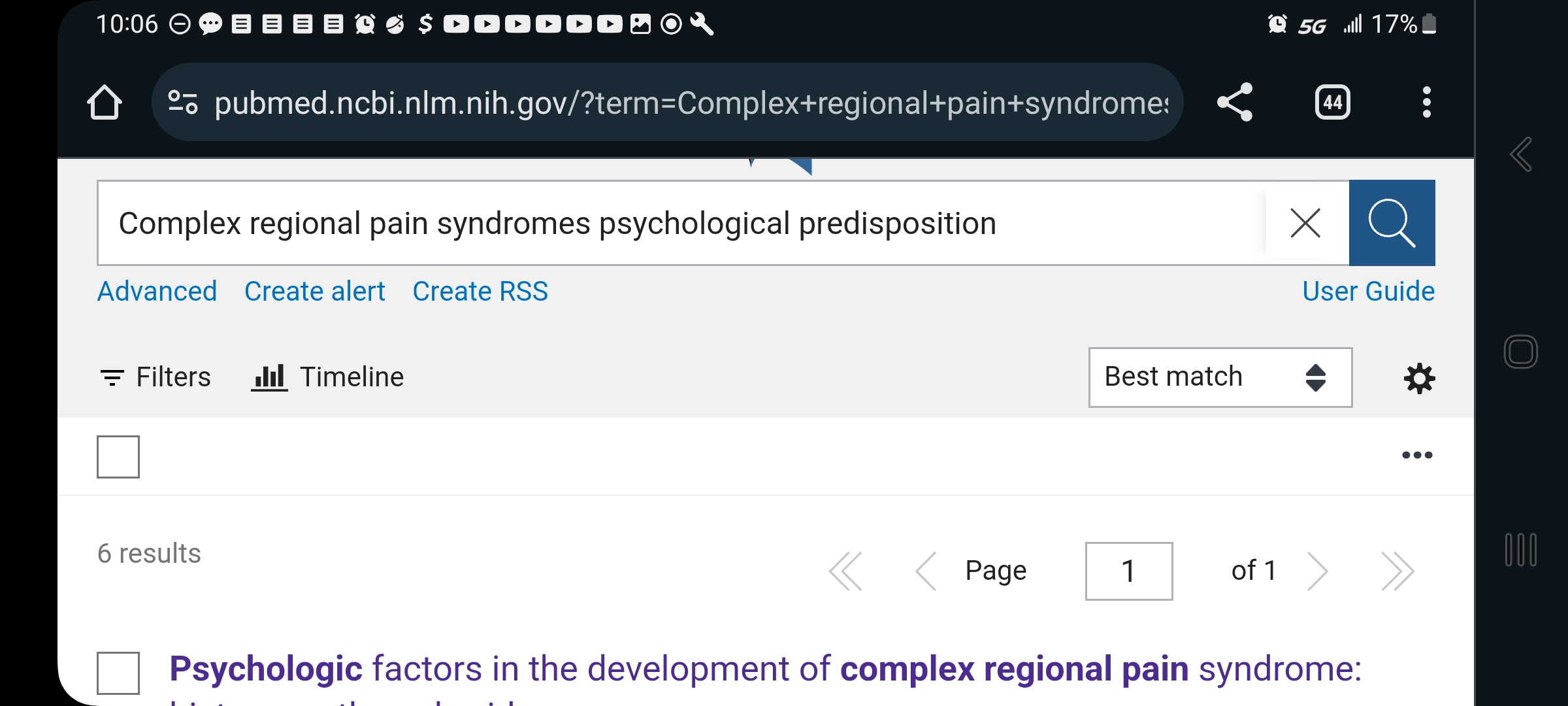
Google pubmed, and you’ll find the National Library of Medicine (NLM) division of the National Institutes of Health (NIH). This is a searchable science library which hosts articles from all around the world, in whatever language they were published in plus English. You can search any valid medical term — for instance, use the full name of your disease rather than its initials, for better results:
Here, you can see that I typed out “complex regional pain syndromes” instead of CRPS.
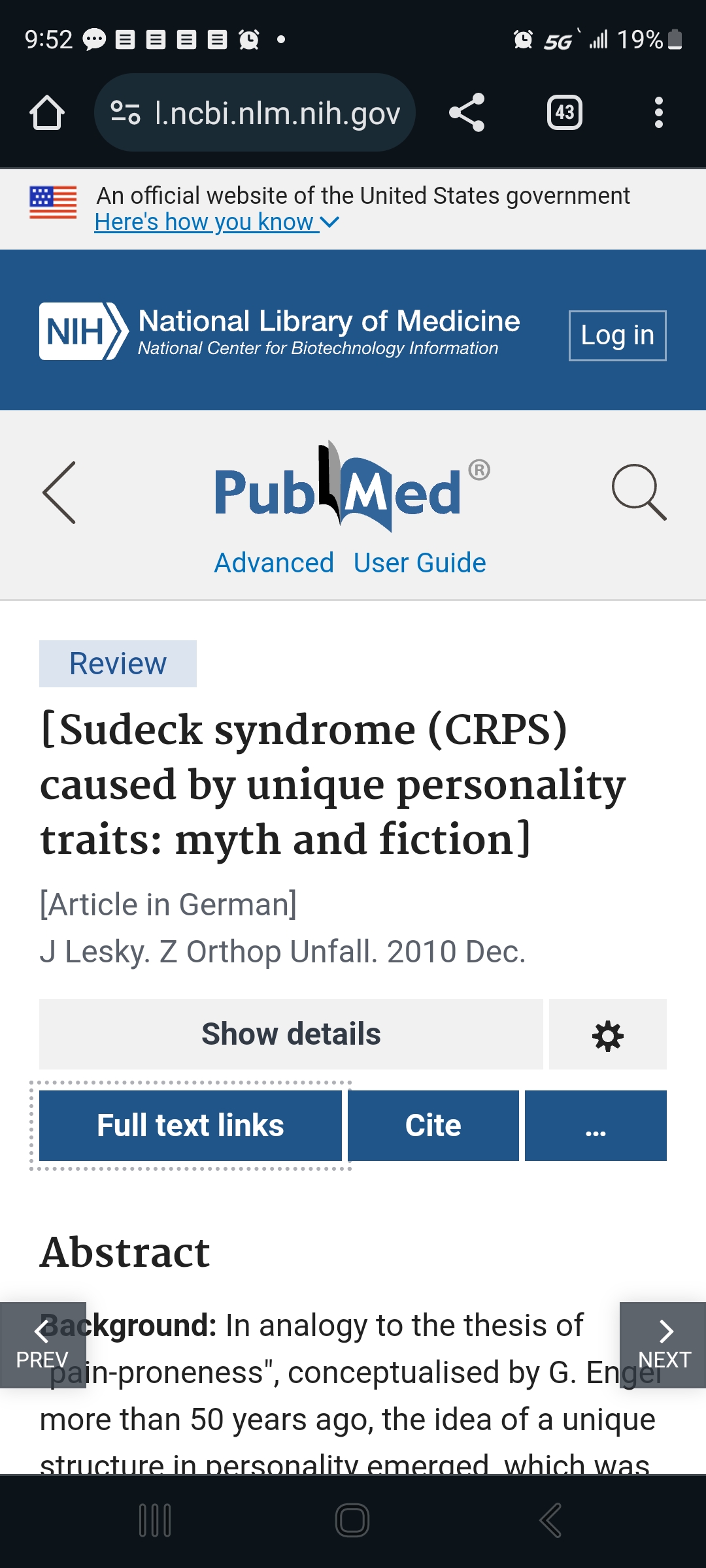
Some of them have full articles that are free to read (look for “Full Text Link”) …
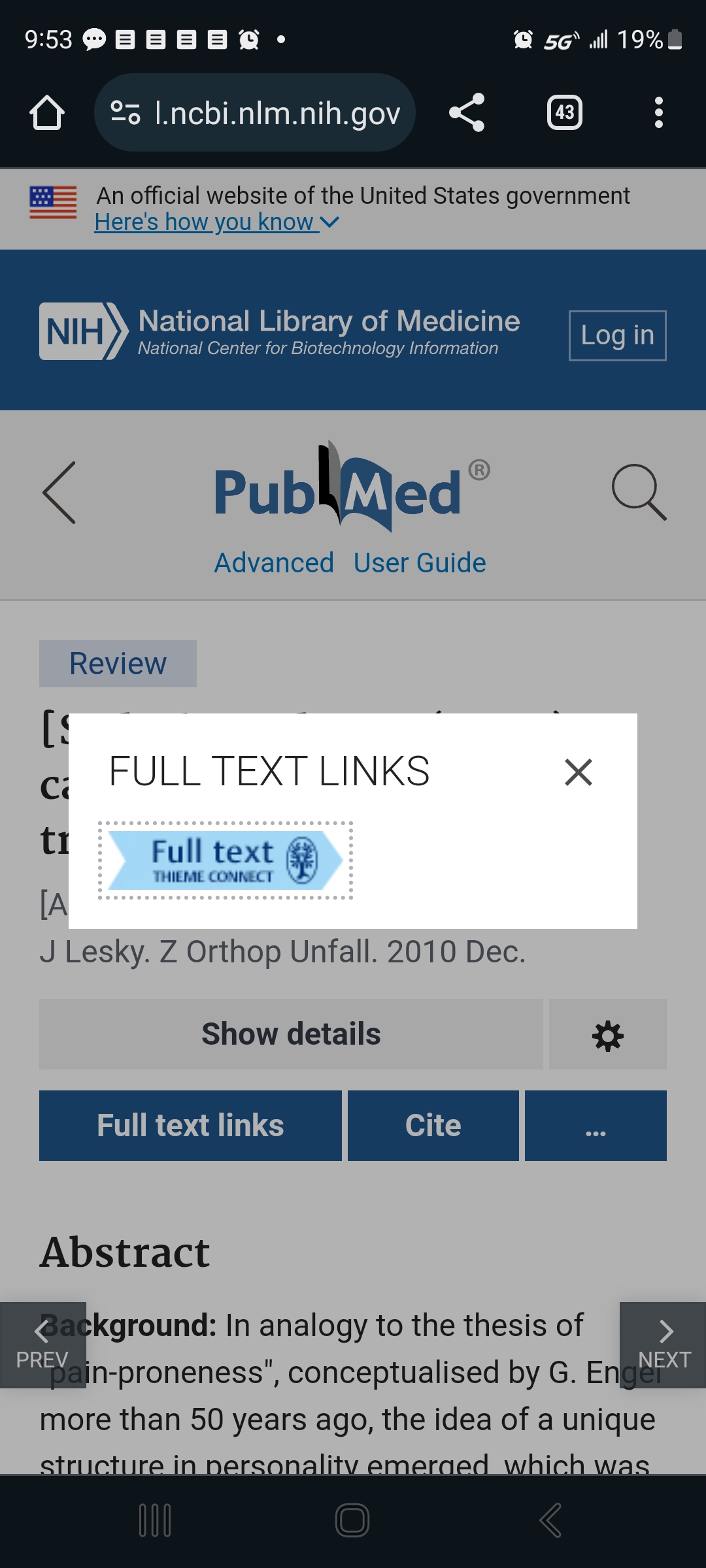
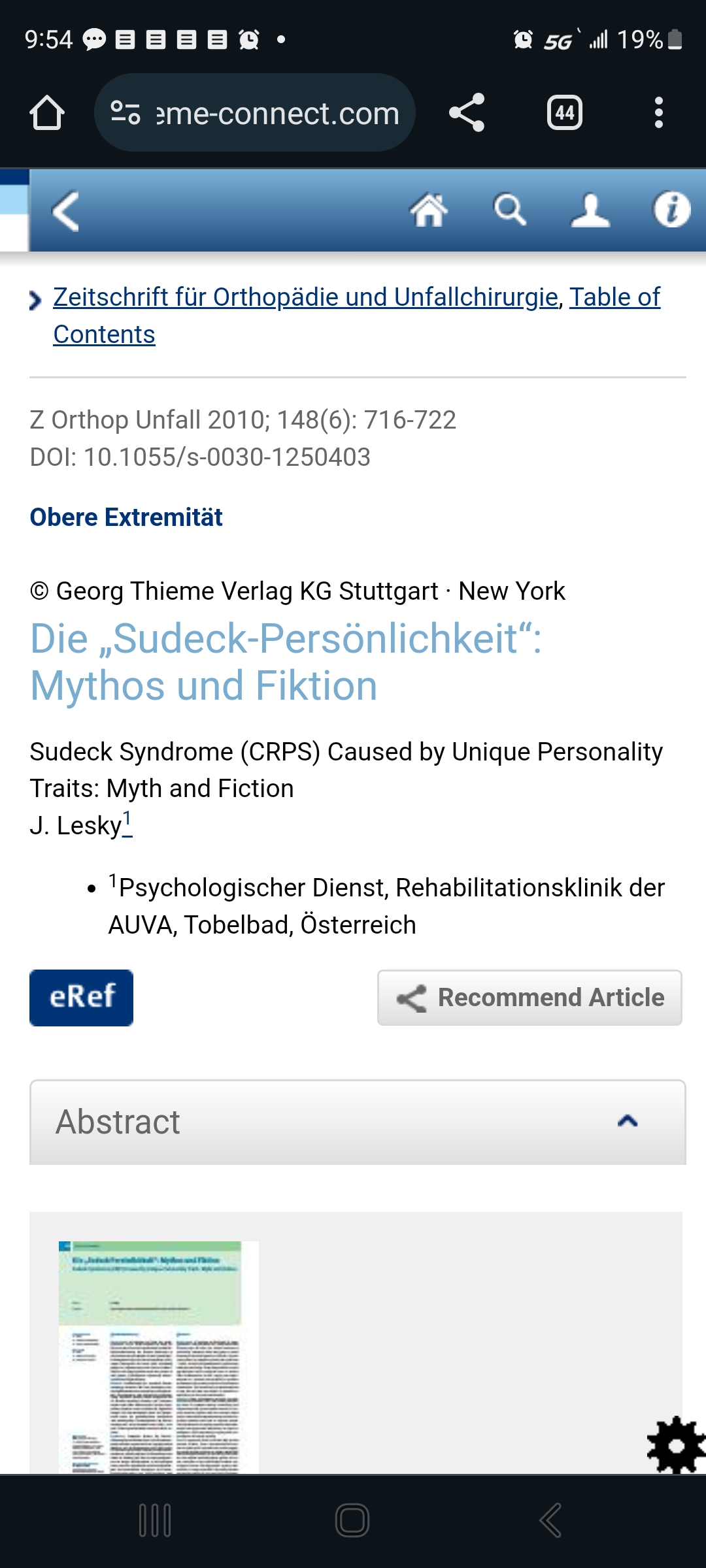
The square brackets around the title tell you it originated in another language. The note under the title tells you which one. Good science is done all over the world. I’m glad we can access so much of it!This image shows what pops up when you touch the Full Text Link button.This is the original site that published this paper. As you can see, it’s in German here, but an English translation is also printed below the German version. For better or worse, English is the world language for science and medicine. I feel lucky being born into an English-speaking family, because it’s tough to learn. All those synonyms… and the crazy spelling!
…But most will show only the abstract, that is, the high-level overview of what the study is about. For our purposes, that’s the most important thing, so it gives you something useful to work with.
The interface gives you options for saving, sending, and citing the articles.
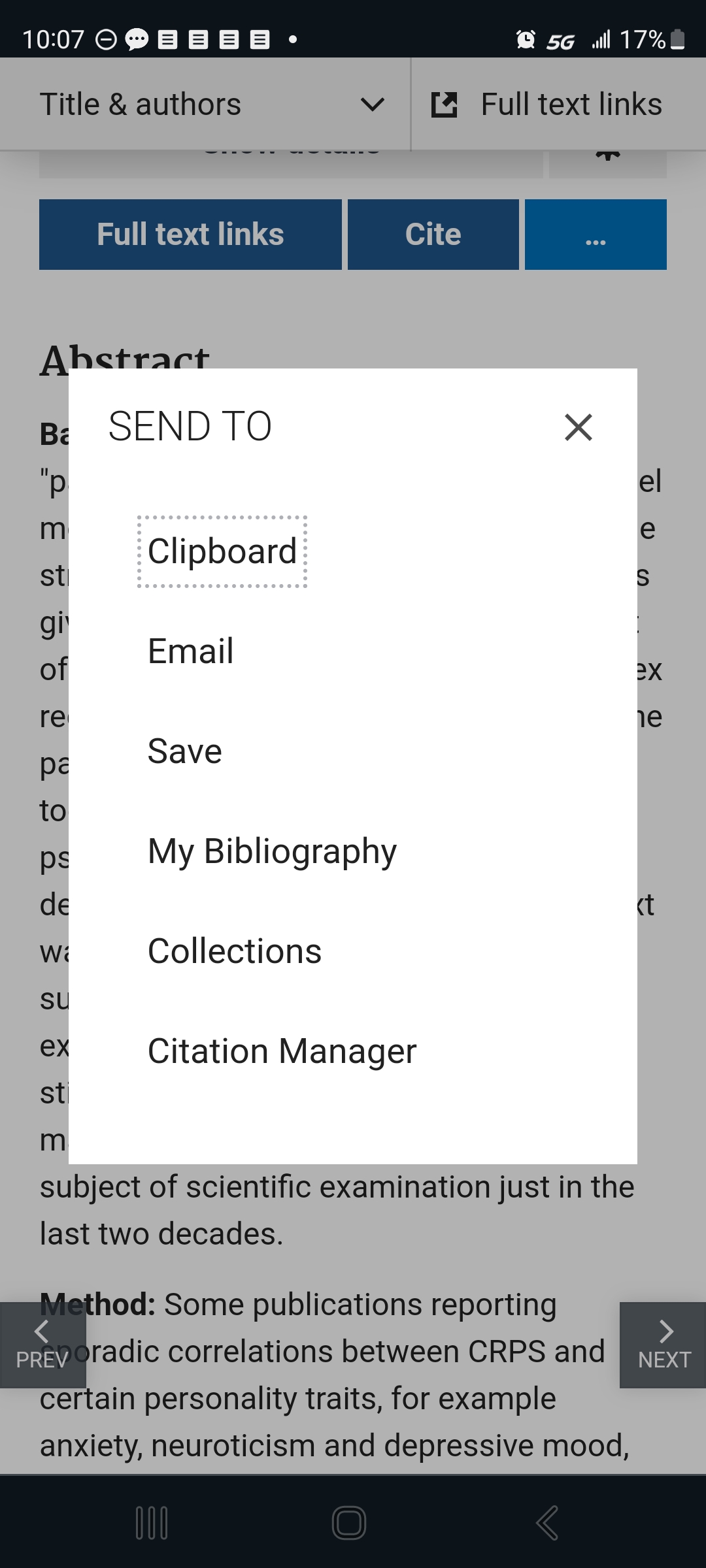
Touch the “…” button to get this helpful menu. If you get a free account with the NLM, you can use these to help you keep your studies organized and accessible.
To use these, just touch or click the one you want. They do exactly what they say they will.
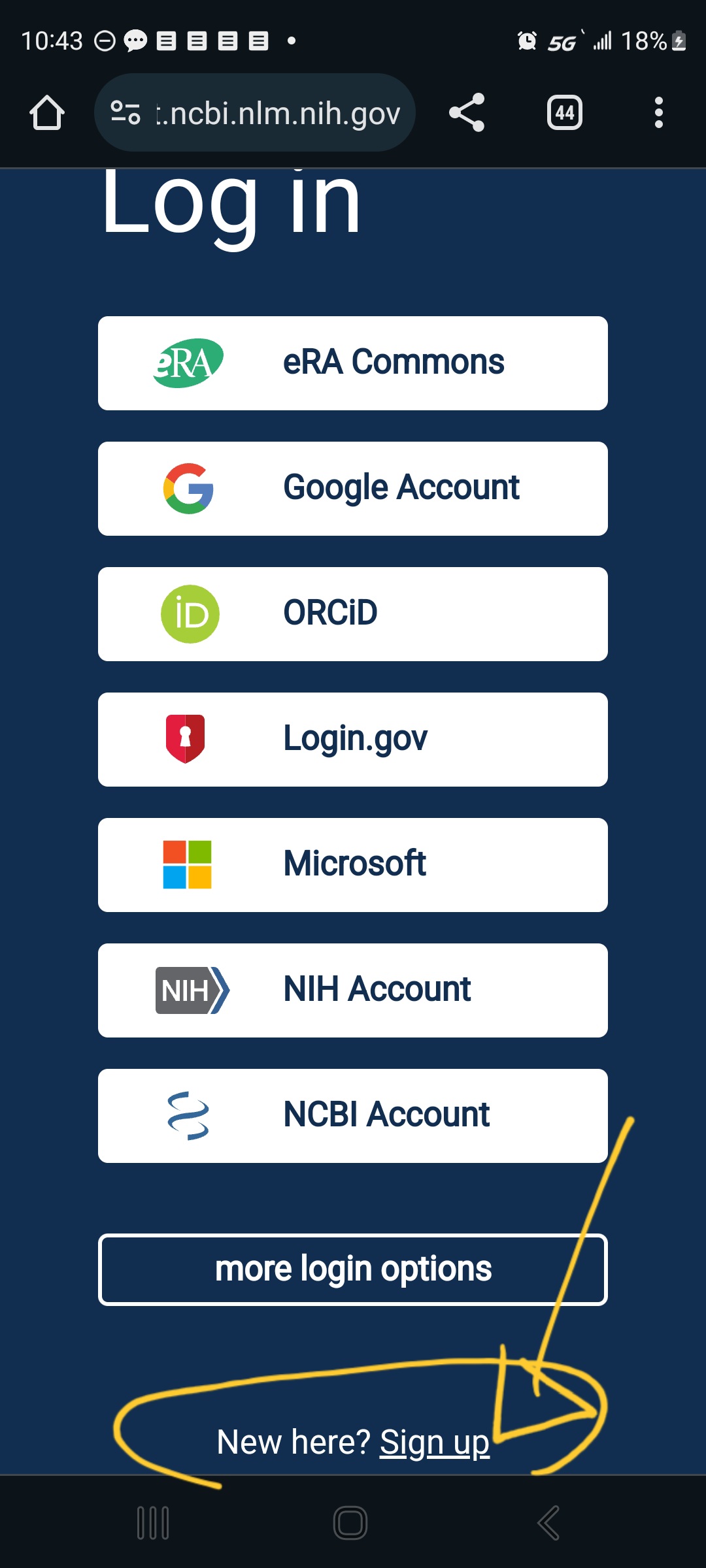
If you touch one of the menu options that requires them to store the info on their side — like “Collections”, “Bibiography”, or “Citation Manager”– it will give you what you need to sign in (if you already have an account) and, at the very bottom, the option to “Sign up”:
The site is very helpful; just slow down and let yourself look at one thing at a time.
Once you feel more self-assured, try out Google Scholar. It’s smaller in some fields and generally less selective, but that can be good. I suggest saving it for later only because it’s got fewer guard-rails. We’re all different, though, and you might find that easier.
These two libraries aren’t identical. They do overlap.
A word about MeSH terms
MeSH stands for Medical Subject Heading. It’s a curated list of specific terms used in the National Institutes of Health materials. This kind of consistency is necessary when organizing a stupendous medical database like the National Library of Medicine.
MeSH terms are listed at the bottom of each article. If that article was useful, you can click the MeSH terms to have them saved to your PubMed search history:
I’ve circled the heading “MeSH Terms”, where it appears below other back-matter after the article.
Here’s a tip: when using their Search tool, don’t worry about capitalization, but be very particular about spaces and punctuation. Copy them exactly.
Using MeSH terms will improve your future searches, because it makes the most of the databases self-referencing mechanisms.
Trust your eyebrows
Best tool in your mental toolbox: when you’re reading sentences you know you do understand and, yet, you feel your eyebrows moving around on your forehead… that logic is not right.
The scientist might be misinformed, biased, pulling a fast one, or just plain wrong, but it doesn’t really matter which — that logic is not right. The underlying pattern-matching part of your brain can tell. That’s a primitive part of the brain and, when you’re paying attention to it, it’s extremely hard to fool!
Trust your eyebrows. If you want to, save the article and come back to it when you know more, so you can figure out where the problem is. I assure you, there is one. Your eyebrows don’t lie.
Feed your brain
Reading science is hard work and brains are big hungry things at the best of times. Feeding it right can be a huge help.
Meds & caffeine
If you’ve got attention problems, adjust your meds and caffeine to give you some extra focus when you’re reading science. It’s a lot more fun that way!
Smart produce
Green, blue, and purple foods are absolutely marvelous for brains — and pain. They feed the nerves, literally. I know you needed an excuse to eat more blackberries, blueberries, collard greens, and rocket salad, aw shucks.
I also know it’s not the cheapest stuff in the market. Explore your local options for farmer’s markets, roadside stands, produce sales, and organized assistance like EBT/food stamps and healthy-living programs giving more access to produce in the state, like they have in Massachusetts and California and other places.
This is a great opportunity to learn more about your condition and to bring what you’ve learned into your life (more on that later), and the upfront effort pays off so much in the end.
Body-safe phenylalanine
Obviously, if you’re prone to phenylketonuria, skip this part! IYK,YK.
Also, keep in mind that this can have an effect on some meds — sometimes giving them a boost, sometimes making things worse. Be sensible, do your due diligence, and study it up for yourself if you’re interested. Also, use your self-documentation skills: note what you do and what it does to you, change what needs to change, and take responsibility for the results of your choices. We are our own best caregivers.
I’m discussing the physiological activity of this thing with the weird name, and what I’ve found in my life and those closest to me. This isn’t any kind of assurance that it’ll do good for anyone else. Put it no further than “hmm, maybe” in your mental filing system and do your own further research to validate what I say and get an idea how it might work for you, yourself.
Basically, phenylalanine is a precursor to the “up” side of the neurotransmitter suite, dopamine and norepinephrine and even epinephrine (they all transform into each other as needed). These neurotransmitters carry messages among the parts of the brain involved in learning and memory. Taking in phenylalanine can have a truly astonishing effect on attention and memory WHEN you’ve got fundamental deficits, as do people with central and longstanding pain and some other conditions.
TL;DR — If it doesn’t make an obvious difference in less than an hour, you don’t need it.
I’ve trialed using aspartame, which went well for me. (Discussing my results with my doctor paved the way to including SNRIs in my med regime, to my considerable benefit.)
Food sources of phenylalanine
This is where hard cheese and smoked or processed meat shine. They’re rich natural sources of phenylalanine. They also have saturated fats which, in moderate doses, seem to help with pain and brain symptoms.
As a moderate part of a well-balanced diet, folks.
This hasn’t been well-studied; it’s one of those things you pick up after being involved with self-managed patients for over 30 years.
It doesn’t take much. I found that 2 or 3 bites of aged cheddar would absolutely light up my brain for 45 min to an hour and a half, depending on my deficit.
One pal of mine keeps meat jerky sticks on hand for study sessions. Aged cheese works better for me; jerky works better for them.
Now, unfortunately, mast cell activation problems have moved cheese and smoked meat out of my diet. When I need a brain boost, and it feels like cheese might help, I have to use a supplement instead.
Supplementing phenylalanine
It’s more measurable to use a supplement called DLPA, or d,l phenylalanine. It’s a blend of natural and manufactured forms of phenylalanine. One works better for pain and another for depression, but the blend seems well-tolerated and helps both. Phenylalanine suppresses certain inflammatory kinases and may help suppress pain at the spinal root (that is, right where the base of the peripheral nerve path comes out of the spine) as well as helping with mentation and cognition. (Sarcastic Sister notes: The recent science about it magically disappeared in the wake of the “war on pain meds” and I won’t pretend to understand why.)
There is a maximum recommended dose before it gets toxic, but if you’re seriously thinking about that, you’ll want to do your own studying, and might want to talk to your doctor about SNRI meds as a possibility. (The N is for norepinephrine, which phenylalanine supports.)
Why bother with learning how to read science?
Knowledge and understanding are the most powerful tools you can have for dealing with complex chronic health problems. It may or may not change what you have to deal with, but it certainly gives you more and wiser options about how to deal with it.
Even if you aren’t ready to start now, you can circle back around to this whenever you want. It’s attainable; you can do it. It’ll always be there (although individual articles and topics may come and go.)
The patients who learn the most and put that to work in their own lives, are the patients who most consistently beat the odds and have the best quality of life over time.
Therefore, better information leads to better living with complex chronic illness. My HIV patients taught me that 32 years ago at my first nursing job, and it’s truer than ever now.
Note: Nobody here says it’s easy. That said, our complex chronically ill lives are never easy.
Pretending that getting through the day is not, itself, almost a superhuman task is a disservice to our strength, so let’s just start off by recognizing that everything we do is really hard work.
Knowing that, I have found that the effort of learning and applying what we learn pays off a whole lot more than passively waiting to be saved and feeling rotten all the while — and still being wrecked & exhausted.
I can whole-heartedly recommend learning and figuring things out. It’s a winner.
In the spirit of this blog’s brief as a “user manual for complex chronic spoonies”, here’s a health update after another interesting year (my personal year starts in May!) with notes on medical support & the relevant self-care for each problem area.
Cultural note:
In American slang, “the Back 40” was (is) probably the least obvious & accessible parcel of a farmer’s land. Either a lot of work or no work happened there, it was hard to find the person doing it, and the effort didn’t show until afterwards.
Good metaphor!
Areas of life…
Mom (& TL;DR): 2+/3, it kinda sucks but I’m getting doctors involved and they’re good. Adjust expectations downward a bit, because this could take awhile to resolve.
Endocrinology
I got a med with a toxic-to-me ingredient (maltodextrin; it’s specifically inappropriate for people with low thyroid!) and that set me back in inflammation, pain, mood, and thyroid function. That’ll take some time to recover from, but…
=> I’m doing All The Things, mostly hydrating & waiting & antioxidants.
Plus a thyroid med I tolerate well.
Not having thyroid supplementation at all for 4 days (after 2.5 weeks of thyroid with toxic crap in it) set my thyroid recovery back further, but let my mood come back closer to baseline and gave me more access to memory & coping skills.
=>More waiting, plus vitamin A, licorice root, and Maine seaweed for the iodine.
And lots of sleeping.
Dr:
I have an appointment with a good endocrinologist in June, which gives me time to look up his articles & see how he thinks, while brushing up on my endocrinology. (Being a passive patient doesn’t work well for me. Too much complexity & too little margin for error. I hope he can cope with a collegially-minded patient.)
G.I.
I tried heirloom corn flour, because I love masa and grits, and the industrial kinds of corn are too hard on me. (Pain, mood disruption, bit more brain fog.)
Well, it took longer than regular commercial corn, and it took making it a staple & eating it a couple times a day, but it turns out that organic heirloom corn can still do that to me. So, more waiting & more hydration, but after Day 2 of No Corn I’m already a little better. Yay!
Good news is, I’ve consistently been able to eat *enough* overall that my body’s starvation response is calming down! I’m no longer gaining weight daily (which is what my body does when it’s starving). I’m able to fit into my biggest clothes that *aren’t* stretchy, another yay.
=> I find that 1200 kcals/day is the functional minimum on any given day. Getting up to 1600 is good, much more stabilizing.
Organic, free-range everything with plenty of olive oil. I have had skillful & compassionate help with cooking since November, and it’s been absolutely life-altering — for the better, which makes a nice change!
Dr:
I’m seeing my GI doc this week. I sure hope he doesn’t retire soon.
Brain & pain
Not so good. It’ll change, but there’s no knowing just when. I’ve got a UI design & documentation project which I badly *want* to do, but I think the better part of wisdom is to write up what my training & experience leads me to envision, and find others to help do the work. Trouble is, when I get to the computer, I don’t want to write it up, I want to just do it… ADHD fail, so far!
CRPS-specific
The bone pain is having a party in my feet, legs, & pelvic girdle. Skin in my arms & legs is more burny, and it’s getting annoying. That feeling of my brain envelope being hot (not something that happens in a normal body) is a frequent occurrence.
=> Eliminating the corn (which spikes up my neuro signalling) and stabilizing my thyroid should help that a lot.
I hope.
Fibro pain
Yeah… May didn’t used to hurt like this. My joints feel like the surfaces do a quick “squish” and ooze steam at every impact.
=>Antioxidants, hydration, pacing, thyroid… and time.
Dr:
I’m seeing my primary on Monday and will ask for a referral to Brigham & Women’s pain clinic to see if we can get a better handle on this.
Ehlers-Danlos Syndrome
Ironically, the more I read about EDS, the more it explains a lot. I haven’t got enough understanding to opine further, but feel free to look it up and put your favorite links in the Comments.
Everything is in a “chase the symptoms” mode until then, and chasing the symptoms means that I don’t get things I otherwise need to manage pain and inflammation, because they trigger spasms and cause tissue tearing, both of which sound like EDS issues.
Welcome to complex chronic illness, where “competing needs” is more than a metaphor — it’s a way of life!
Dr:
I have 2 appointments, one to prep before genetic testing of a more arcane kind than I can get myself, and one to discuss results. The first of these is in November. We made that appointment last fall, so that’s really the best we can do.
Life
Best time of year is here. I hope I can get some recovery & remission, as I usually do in the summer.
The pain & brain fog keep me indoors more than I’d like, especially with the high pollen count making the histamine & inflammation situations worse. (Competing needs again: I love being outside.) It’s just too much to try to mask over all this, and I’d rather not stand out for the wrong reasons. Again.
I’ve been using my rower for exercise, when I can. That’s better for the bone pain than walking on pavement is, and I’m surrounded by pavement.
Major events
Sadly, I just lost an old sailing buddy to his illness.
Worse, I may soon lose a dear & longtime friend to hers, one of my sisterhood which formed around 2010, forged in the fires of the improbable Hell of having CRPS while being intelligent (ding!) female (ding!!) health-industry professionals (ding!!!) seeking effective care for this insane disease (DONNNNNG).
Some things you just get through and hope for the best.
Love makes everything else bearable — and that makes bereavement a stone b*tch.
On the other end of the spectrum of life… my honorary nephew announced I can expect to be a great-aunt this summer, and the first bundle of crocheted baby-gear is in the mail.
His papa, my widowed honorary BIL, is traveling the world with his skills, hard-won insight, and upright down-home charm to spread the word about what *really* constitutes good patient care. The world is becoming better for his work and I couldn’t be happier for him or prouder of his trajectory!
*Huge* yays!
=> I’ve discovered that the way to avoid emotional whiplash is to think about just one thing at a time.
Some of us are *always* living in interesting times.
Conclusion
I’m going to crawl back under my rock & lurk until all this hydration & waiting does some good. Time doesn’t do everything, but it does give other things a chance to work.
Take care of yourselves, and when you can’t do that, take care of each other. (((Hugs))) to those loved ones & spoonie-compatriots who want them.
I saw a whole lot of stars last night. Good for the soul, that.
I’ve been taking this opportunity to be in the experience of life without having to explain it, or articulate reasons to anyone outside my own skin. I had almost forgotten what that’s like. With very bright and articulate people in my life, it’s hard to get that in my personal life. Their need to understand is borne of pure love — they worry, because they’ve seen me through some rough times, and in order not to worry too much, they need to understand in their own minds what’s going on in this mind over here, which is in a completely different person. (Mom, you’re in good company with my lot! <3)
I’m in a lot of “thin end of the bell curve” categories, so this can take some doing: INFP (about 2-4% of the population, last I heard), serendipitously rather than linearly accomplishing (about 20%), and ADHD female (goodness knows, but the proportion seems to be growing as the markers are better understood), in addition to the weird requirements of all these illnesses — pretty much guarantee that anything normal won’t work, no matter how carefully I plan and execute.
This is the second summer in a row where things have not gone according to plan, so much so that a new term somewhere between “not according to plan” and “WTF just happened” needs to be coined to express it. I’m beginning to think I should just take this as a new life pattern, since the switchbacks tend to heal the dribbling wounds of layers & layers of PTSD. (Well-managed PTSD is not the same as resolved PTSD, although the most dramatic difference is on the inside.)
My friend and honorary BIL Ron wound up with massively metastatic liver cancer because 2 years of pandemic disruption and lousy treatment from LA’s indigent support system (which is a criminally bad system, worse than war-escaping migrant camps and most internment camps, according to the UN) left his early, localized, treatable cancer as an undiagnosed blurch on a CT scan which he had a few months before the pandemic was identified.
His care was denied because there weren’t enough staff or open beds. He was killed because of, but not from, Covid. When you think about maskless people and Covid deniers, think about treatable, localized cancer turning into a deadly and agonizing bloodbath for people like Ronnie.
Yeah… I’m not bitter… much!
Folks, this is not a drill. It’s not imaginary. It’s a fast-evolving pandemic in its early days. Read up on the Black Death for a little perspective.
A couple months ago, as people told themselves the pandemic was “settling down” right before the peak of record-setting waves of contagion and death (check the data, not the ideology) Ronnie bent down to pick something up, passed out, and woke up in hospital getting the third of eight units of blood. Then he found out over half his liver was lost to cancer and that treatment would only buy him a matter of months.
He opted to skip treatment and make the best of his remaining time.
He wanted to go fishing, so he set his mind to get strong enough for one last boat trip. His family proposed bringing him home to Northern California, where there’s glorious fishing in all sorts of waters.
Long story short, the appalling facility he was in was so good at losing contact information, that his hospice social worker didn’t realize he even had family until I had the option of including a gift card with a care package I sent from Amazon, and I included four names and numbers. Then things started happening.
If you’ve got someone in a facility, send them a card! It’s documentation that people care, and nothing happens in health care without documentation!
I never thought of it as anything other than a nice gesture, but turns out it’s a whole lot more: It’s evidence that they’re worth saving. ÷O
Put your number on it if they’re in bad shape, so the facility has someone to call. Atrocious that this should be needful, but hey, welcome to modern America! o_O
OK… maybe a *little* bitter.
Since I was about ready to have him kidnapped to get out of that stupid facility, we had contingency plans up the wazoo to get him out of there and home.
Even longer story short, it turned out that the only feasible option was to drive him home, which was a 2 person job and only one person in that elderly and health-challenged family could do that, so I changed my own plans (plan is a 4-letter word anyway) and got the soonest ticket I could.
As he listened to this planning conversation, Ronnie smiled from ear to ear with tears streaming down his face. He could take in how much he was loved and wanted, and he was going home to a slice of paradise to be surrounded and supported by the care of those who loved him.
Important note here: he already had this information, but he also had his own layers of damage which made it hard to let the information in. That resistance was there for a reason. You can say something to someone all you want, but if they aren’t equipped to accept it, it won’t go much further. There has to be a big enough change in themselves and their circumstances for those scars to shift, so the info can flow.
Ron was able to put aside everything that kept him from being able to accept that information, and he had, as the wise social worker said, “a moment of pure happiness.”
The following day, his condition deteriorated. We updated our plans to go visit and hope for the best.
The morning I was supposed to fly out, he was gone.
I did my quiet-inner-voice thing, and it said “go anyway.” So I did.
Bodhisattva oath
I’ve been contemplating the distinction between working the Bodhisattva vow and being a doormat (or codependent, as we call it now), off and on, ever since I discovered the concept when I was 12 or 13. It’s been an important part of my work of dealing with the last couple decades of harrowing illness, poverty, and systematized abuse as a patient. It’s become a regular topic recently in my meditation class. This is a big deal and an important point to consider.
The difference, it seems, is about self-care and responsible boundaries. These are particularly key for people who are women, healers, and in a vulnerable situation; it may not have escaped your notice that the wording which defines these terms was developed by men who had quite a bit of support in their work, and such people need a lot less protecting.
It’s healthful for people in habitual authority/access/power over others to embrace a practice of profound and selfless compassion. It gives them more insight and calm.
Those of us whose ground state is based on acute awareness of others require a more nuanced approach.
There are techniques which allow a diligent practitioner to pursue the Bodhisattva vow over the rim of what appears as boundaried behavior without psychological damage, but they only come after many years of serious training and discipline with qualified supervision. So, people like me have to be pretty darned careful how we proceed.
In short, I was in two minds about my own reasons for coming, but I yielded to the quiet tidal bore of my inner voice and took that flight.
Serendipity
I’ve landed in a beautifully imperfect place among people who wear their glorious sweetness and relentless flaws in flowing symmetry. From Ronnie’s kin, I’d expect nothing less.
Above all, I realize it’s not my bathtub to soak in and not a set of problems for me to fix. I’m just here as a welcomed guest and loved part of this extended & protracted family system.
This is a big deal.
There’s a lot of work for me to do (administrative nonsense, since death and life are both business matters; my trip will be paid for) and that’s healthy, because it’s easy for me and a real boon to the family. Healthy boundary there.
There is a lot of soft, verdant ground for me to walk on; a ton of stars spilling across the sky overhead; a cornucopia of Isy-friendly food pouring out of the greenery on this well-kept land; and my allergies have backed off considerably. My ex has put my health needs absolutely first in every consideration and the rest of the family is happy to support that. Definitely healthy.
And me? I’m not over-explaining! It’s amazing :D! I just quietly take care of my needs and appreciate everything that I *can* partake of. Good boundaries there, too.
I’m learning, carefully, again, how to be present. How to unlock from anxiety without letting go of my real needs. My phone is nearby and in signal, but usually off. That’s healthy too, right now. It’s a kind of technology break, which my battered and hyperactive brain is probably long overdue for.
I’m also bereaved in the presence of others who are also old hands at bereavement. It’s a peaceful thing. It feels curiously wholesome, even as grief and mortality are shredding sorts of events. Ronnie and all our late loved ones are very present in their very absence.
I could natter on about the wheel of life and possibly even spout some Buddhist wisdom about interconnectedness and emptiness, but to put it in words is to miss the point. It’s an experience. All you can really do with an experience is to be in it and allow it to be part of you.
So that’s what I’m doing. And there’s real healing in it.
For some things, no explanation is needed because, at root, none is… oh I don’t know… possible?
Anyway, I’m OK. I’m doing the things and being the me and accepting the limits (including transport) while appreciating the strengths (like interconnectedness) and feeling very secure and centered and remarkably peaceful withal. This is good. And if my phone is off, be assured it would be on if I needed it. Right now, the stars and the green and the peace are healing me, and I’m simply letting them. <3
Yesterday, it came naturally to be warmly present for V during a big event where I stood in for her, even at a distance of 3,000 miles or so. Gotta love technology for that!
Today, I think of D and the anticipatory grief is like a warm finger of current, pulling at me without tearing at my core or dragging my mind away. He’s here now, and everyone who cares about him is working on a graceful last chapter to his intense, vivid, improbably well-groomed life. (Yes, he’s quite a character!)
This recovery is not all perfect: after yesterday’s 8-hour social endurance event (a physical and physiological experience piled on top of a very neurologically demanding week) I woke up this morning with a pure dys-autonomic experience I haven’t had in a very long time.
On the very cusp of waking, as I first became physically aware of the real world, my body’s temperature-regulation mechanism dropped off the rails.
I suddenly got intensely cold, that bone-deep cold that makes the smallest touch of air feel like knives. Imagine full-body Reynaud’s, with added concertina wire. It’s amazing how cold my skin suddenly gets to the touch when this happens, after feeling just right at the moment I started to wake.
So, I did what I learned to do 10 years ago, when the dysautonomia really kicked in with this: I pulled my down duvet completely over me and tucked in every gap, wrapping it right around my head, and constructed a little tunnel just big enough to breathe fresh air through. (Fresh air seems to speed up the recovery period.)
Nothing I can do after that but wait for it to pass, as my regulatory thingies come to terms with being awake instead of asleep (one autonomic function) and being able to be at the right temperature (another autonomic function.) I know that it will pass, while my system creeps toward wakefulness.
Big shrug. The Nasty Cold Snap hasn’t been part of my day in a very long time, which is good!
This just goes to show that the physical/physiological impact of these flows of stress and anguish isn’t negated. Expecting that would be unrealistic.
They are manageable. That’s the point.
Doing those “brain first aid” things makes handling the weighty, current reality bearable. That means I’m still capable of several important tasks:
I can bring my tips and tricks to bear against the physical effects of this illness.
I can think my way through ordinary (to me) problems.
I can remember that things pass: the Nasty Cold Snap will pass, as the mental shock passed, as even terror passes when it’s allowed to.
I return fairly quickly to my normal frame of mind — which beats trauma-brain all hollow!
There’s still a bit more physical recovery involved, mostly giving my systems a chance to finish returning to their normal function and easing up on the extra weakness, reactivity, and pain.
But, basically, I’m OK. I’m able to show up for myself and my friends. That’s what it’s all about.
My point (and I do have one) is…
The skills I learned in psychotherapy really work when I use them, and I’m so relieved.
I want to make the point that psychotherapy is not “just like talking to a friend”, because our friends don’t need a graduate degree to be our friends. Psychotherapy is a professional-level, highly customized form of care, even if it feels relaxed (creating an environment where you can relax is one of the skills of a good shrink.)
Nor is it a passive process; the skills and concepts only work if you work them. It’s good to be heard; that said, it’s also good to remember that real healing involves relevant changes. The fun (??) part is, in medicine, we may influence the changes but there’s a significant random element involved in them; in psychotherapy, the client steers the whole process. While being an active, involved patient can improve outcomes in medicine, being an active, involved client does improve outcomes in psychotherapy.
So, there’s the core message behind this 2-part series, part of the ongoing “what works” toolkit. Psychotherapy works, when done properly and used diligently. Just like any other kind of care. It’s not magic. It’s skills.